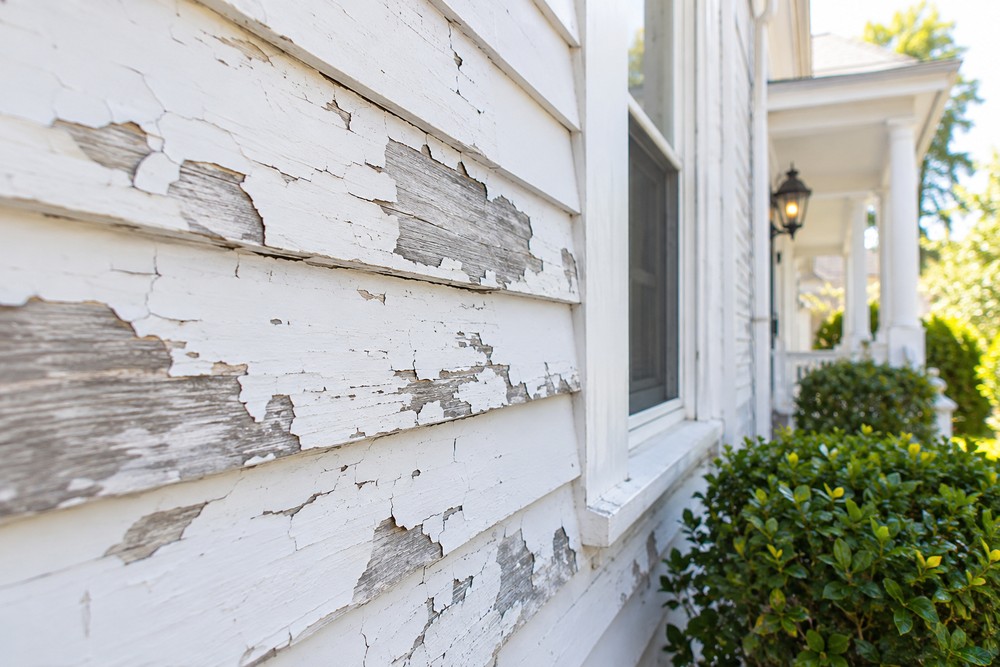
Weather gradually changes the condition of painted surfaces around a home. Sunlight can weaken color, rain can expose vulnerable areas, and seasonal temperature changes may contribute to cracking or peeling coatings. These signs often appear unevenly because walls, trim, doors, and architectural details experience different levels of exposure throughout the year.
Exterior Painting should begin with careful preparation rather than immediately covering visible deterioration. Peeling sections, faded areas, surface contamination, and damaged materials can affect how a new coating performs. Understanding why the existing finish changed helps homeowners determine which areas need additional attention before fresh paint is introduced.
Preparation also provides an opportunity to distinguish coating problems from underlying material concerns. MasterCraft Coatings can assess visible conditions before application begins, allowing the project plan to reflect what individual surfaces actually require. A prepared surface creates a more appropriate foundation for a consistent finish than simply applying another layer over existing problems.
Inspect the Entire Home Before Preparation Starts
An exterior inspection should include more than the areas that look noticeably worn from the street. Homeowners can walk around the property and examine siding, trim, fascia, doors, porch details, and other painted components.
Different elevations may show different conditions. One wall might display significant fading from sunlight, while a shaded section could reveal staining, moisture marks, or slower drying after wet weather.
Recording these differences helps establish priorities. It also prevents less obvious deterioration from being discovered only after cleaning or preparation is already underway.
Understand What Peeling Paint May Indicate
Peeling occurs when a coating loses its secure connection with the surface beneath it. Age, moisture, inadequate previous preparation, or deteriorating underlying material can contribute to this condition.
Loose paint should not simply disappear beneath another coat. New material applied over unstable layers remains dependent on whatever is already failing underneath.
The surrounding area deserves attention as well. A small peeling section can sometimes be part of a broader surface condition that becomes clearer during closer inspection.
Evaluate Fading Separately From Physical Deterioration
Fading changes color without necessarily producing the same physical failure seen with peeling or cracking. Surfaces receiving strong sunlight may lose color more quickly than protected areas.
Homeowners should compare different sides of the property before assuming fading is uniform. This comparison can reveal how exposure has influenced the existing finish.
MasterCraft Coatings, LLC can consider these variations when planning preparation and coating work. Evaluating each elevation individually helps prevent visibly different conditions from being treated as though they are identical.
Clean Away Dirt Before Judging Surface Condition
Exterior surfaces collect dust, pollen, environmental residue, and other contamination. These materials can hide minor defects and interfere with an accurate assessment of the coating underneath.
Let Clean Surfaces Reveal Hidden Problems
Once accumulated dirt is removed appropriately, cracks, worn areas, loose coatings, and previous repairs may become easier to identify. This makes cleaning part of inspection rather than merely a cosmetic step.
Surfaces should receive adequate drying time afterward. Continuing preparation while materials remain unnecessarily damp can complicate later stages of the project.
Address Loose Coatings Before New Paint Is Applied
Areas of unstable paint require appropriate attention before finishing begins. Painting directly across loose edges may temporarily change their appearance without creating a sound underlying surface.
Preparation should focus on producing stable transitions between remaining coatings and exposed sections. Rough boundaries can become more noticeable after fresh paint highlights the surface.
The objective is not simply removing visible flakes. It is creating a suitable base for the next stages while avoiding unnecessary disturbance of sound surrounding material.
Examine Cracks, Gaps, and Open Joints Carefully
Exterior cracks and gaps can develop around trim, joints, penetrations, and transitions between building components. Their significance depends on location, material, size, and the reason they developed.
Homeowners should avoid assuming every opening is purely a painting problem. Repeated moisture entry or movement may require evaluation before cosmetic work proceeds.
Suitable preparation can address ordinary paint-related imperfections where appropriate. More substantial material concerns should be understood rather than hidden beneath coatings.
Check Wood for Signs of Material Damage
Painted wood can appear weathered for reasons extending beyond coating age. Soft areas, persistent moisture exposure, open joints, or deterioration may indicate that the material itself requires attention.
Applying paint over compromised wood does not restore its structural condition. Necessary repairs should therefore be identified before finishing work begins.
Trim near rooflines, windows, doors, and porches deserves particular attention because these locations can encounter repeated weather exposure. Careful inspection helps separate surface wear from deeper deterioration.
Consider Previous Repairs and Coating History
Older homes may contain several generations of coatings, patches, caulk, and localized repairs. These layers can weather differently, producing an exterior that does not deteriorate uniformly.
Visible repair boundaries should be evaluated during preparation. Differences in texture or surface level may remain noticeable if they are ignored before painting.
Knowing what products were previously used can also be useful when that information is available. Existing conditions often provide clues even when complete maintenance records do not exist.
Protect Nearby Features During Preparation Work
Preparation can involve cleaning, scraping, sanding, patching, and other activities around windows, landscaping, fixtures, and adjoining surfaces. Nearby features should be considered before work starts.
Plants, walkways, doors, hardware, and unpainted architectural materials may need suitable protection depending on the project. Planning protection early reduces unnecessary cleanup later.
Organized preparation also keeps the work area easier to manage. Materials and debris can be controlled instead of spreading across completed or unaffected sections.
Allow Preparation to Guide the Painting Schedule
Some areas require more preparation than others, so the schedule should reflect actual surface conditions. Rushing difficult sections simply to begin painting can undermine the purpose of careful assessment.
Weather also influences exterior work. Temperature, moisture, and drying conditions should be considered according to the products and surfaces involved.
MasterCraft Coatings, LLC can organize work around preparation requirements rather than treating every section as identical. This allows individual areas to progress when they are appropriately ready.
Build a Stronger Foundation for a Refreshed Exterior
A weathered exterior rarely needs paint alone. Peeling coatings, fading, cracks, dirt, damaged wood, and previous repairs all provide information about what should happen before finishing begins.
Thoughtful Exterior Painting preparation helps homeowners address visible deterioration in a logical order. Inspection, cleaning, stabilization, repairs, protection, and suitable drying all contribute to a surface that is genuinely ready for coating.
Preparation may not create the most dramatic visual change, but it influences everything that follows. By understanding existing conditions before covering them, homeowners can approach an exterior update with clearer priorities and create a more consistent, carefully finished appearance.



