Key Takeaways
- Every exterior material needs a cleaning method suited to its condition and durability.
- More water pressure is not automatically better, especially on painted, wooden roofs and aging surfaces.
- Shade, moisture, landscaping, and drainage patterns can affect how quickly buildup returns.
- A quick property inspection can identify stains, loose materials, damaged seals, and safety concerns.
- Runoff control, protective gear, and careful equipment use matter on every project.
From shaded neighborhoods near the Catawba River to busy storefronts and driveways across Rock Hill, exterior surfaces deal with pollen, leaf residue, moisture, traffic film, and seasonal grime. A thoughtful cleaning plan helps property owners choose the right approach instead of treating every stain the same way. Homeowners comparing options may start by looking for the best pressure washing service in Rock Hill, but the most important question is whether the method fits the surface.
Rock Hill’s warm seasons, changing weather, mature trees, and periods of damp shade can create conditions where green growth and dark streaks become noticeable. Cleaning is not only about curb appeal. It is also an opportunity to inspect exterior materials, reduce slippery buildup on walking surfaces, and address problem areas before they become harder to manage.
Why Exterior Cleaning Needs a Plan in Rock Hill
A driveway may look clean while the siding, gutters, front steps, and entry trim still hold visible residue. That piecemeal approach can leave a property looking unfinished and may overlook issues such as clogged downspouts, loose paint, or algae on a shaded walkway. Before beginning, walk the property in daylight and make a simple list of surfaces, stains, and obstacles.
Note whether the buildup appears to be ordinary dirt, pollen, algae, mildew, rust, oil, or discoloration from an older coating. Also check for cracked concrete, loose siding, open gaps around windows, damaged caulk, exposed outlets, and nearby plants. Taking a few before-and-after photos creates a useful maintenance record for homes, rental properties, and businesses.
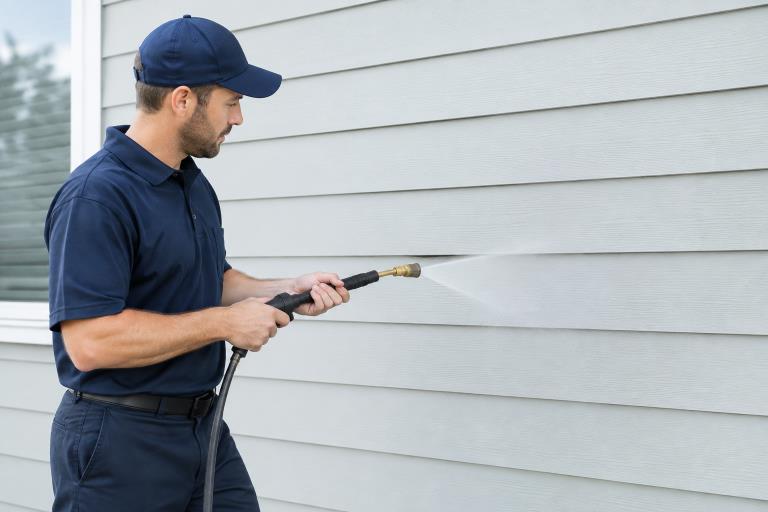
For vinyl siding, painted trim, stucco, and similar exterior finishes, a carefully planned house washing service can be more appropriate than treating every wall with an aggressive spray. Lower-pressure cleaning methods can help remove surface buildup while reducing the risk of forcing water behind siding, around windows, or into vulnerable seams.
Match the Cleaning Method to the Surface
Siding and Painted Surfaces
Start in an inconspicuous area and use the least aggressive effective method. Directing water upward beneath siding laps or toward window seals can create avoidable problems. Painted wood and older finishes deserve particular care because loose or failing paint may need repair rather than harder washing.
Roofs and Shingles
Roofs call for a conservative approach. Walking on a roof increases fall risk, and forceful washing can harm roofing materials or dislodge protective granules from asphalt shingles. Manufacturer care instructions should guide the decision, especially on an older roof or one with visible wear. Consumer guidance on which surfaces can be pressure-washed also emphasizes that a powerful spray can damage paint, wood, and some stone.
Concrete, Brick, and Masonry
Driveways, patios, walkways, retaining walls, and commercial loading areas often tolerate more durable cleaning methods, but technique still matters. Uneven passes can leave visible stripes, while oil, rust, tire marks, red clay, and organic growth may require different pretreatment and rinsing steps. Test a small section before committing to a larger area.
Wood Decks and Fences
Wood fibers can become rough when exposed to excessive pressure or a nozzle held too close. Clean along the grain where practical, use care on softer or weathered boards, and allow the wood to dry fully before staining or sealing. Painted, treated, stained, and older wood may each respond differently.
Gutters, Signs, and Specialty Areas
Gutter care includes removing debris, checking that downspouts flow freely, and looking for overflow marks that may indicate drainage trouble. Signs, exterior lighting, doors, outlets, decorative stone, and storefront features should be cleaned with attention to their materials and electrical connections. Ladder work should never be rushed.
Pressure Washing Versus Soft Washing
Pressure washing uses a concentrated water stream and can be useful on durable surfaces when nozzle choice, distance, and water flow are controlled. Soft washing uses lower pressure with appropriate cleaning solutions to loosen or treat biological growth on more delicate surfaces. In either case, cleaning power comes from the combination of method, dwell time, rinsing, and surface knowledge, not pressure alone.
Build a Rock Hill Seasonal Cleaning Schedule
- Spring: Remove pollen, winter residue, and leaf debris. Check gutters, downspouts, walkways, and entry areas.
- Summer: Watch shaded siding, patios, pool areas, decks, and north-facing walkways for moisture-related growth. Schedule work during manageable weather conditions.
- Fall: Clear leaves from roof valleys, gutters, corners, and drains before wet weather pushes debris into problem areas.
- Winter: Prioritize slippery steps, paths, and shaded concrete. Avoid cleaning when water may freeze or create a hazard.
Plan for Weather, Water, and Runoff
Wind can carry overspray, heat can dry cleaning products too quickly, and rain can interrupt rinsing. Move or cover outdoor furniture, protect landscaping, close windows, and keep vehicles clear of the work zone. Wash water carrying oil, debris, paint residue, or cleaning products should not be allowed to enter storm drains. The EPA notes that storm drains usually carry water directly to waterways, so larger projects should include a practical runoff-control plan and attention to local requirements.
Safety Checks Before Work Begins
- Wear eye protection, gloves, sturdy footwear, and hearing protection when needed.
- Keep children, pets, customers, and visitors away from wet or active work areas.
- Inspect hoses, fittings, cords, spray wands, and electrical connections before use.
- Never aim a spray wand at people, animals, windows, or fragile materials.
- Use extra caution on ladders, sloped yards, wet concrete, and roof edges.
- Follow product labels and avoid mixing cleaning chemicals unless the manufacturer specifically permits it.
When a Professional Assessment Makes Sense
A professional assessment can be worthwhile when a property includes steep roofs, tall walls, heavy organic growth, multiple surface materials, difficult stains, or runoff concerns. Before scheduling, ask what method will be used on each surface, how plants and outlets will be protected, whether pre-existing damage will be documented, and what cleanup is included. A clear written scope helps set realistic expectations.
Simple Exterior Maintenance Checklist
- Inspect siding, trim, and shaded walls every few months.
- Check gutters before and after heavy leaf drop.
- Look for slippery growth on stairs, paths, and high-traffic entrances.
- Watch for rust near irrigation systems, downspouts, and metal fixtures.
- Record cleaning dates, recurring stains, and repairs that need follow-up.
Closing Perspective
For Rock Hill homes and businesses, exterior cleaning works best when the method matches the material, the timing matches the weather, and safety guides every step. A consistent plan can help protect surfaces, reduce repeat work, and keep the property looking cared for throughout 2026.