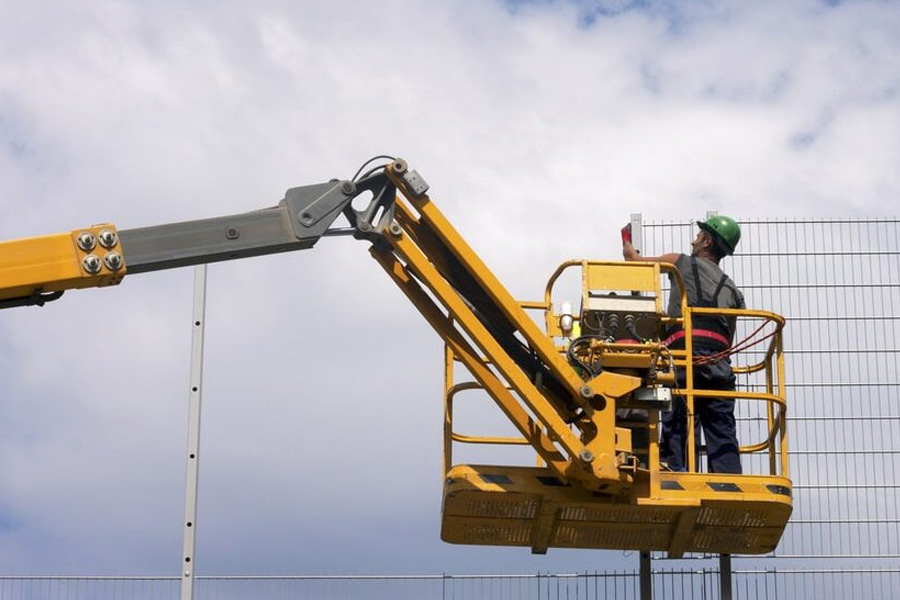
Elevated work is an important part of construction, maintenance, installation, inspection, painting, electrical work, facility management, and many other industries. When workers need to perform tasks above ground level, having suitable access equipment can make the work more organized, efficient, and manageable. Scissor lifts are particularly useful when workers need a stable platform that moves vertically and provides enough space for tools and approved materials. Choosing suitable equipment requires careful consideration because different projects have different height, capacity, surface, access, and maneuverability requirements. A well-planned scissor lift rental can provide businesses with access to appropriate equipment without requiring them to purchase and permanently maintain a machine that may only be needed for a limited period. Before selecting equipment, project managers should evaluate the working height, platform capacity, dimensions, power source, terrain, work area, rental duration, and safety requirements. Careful planning can help reduce delays, control expenses, and ensure that workers have equipment suited to the specific demands of the project.
Understanding Elevated Access Equipment
Elevated access equipment is designed to provide workers with a controlled platform from which they can perform tasks at different heights. Scissor lifts use a series of linked supports that extend upward and provide vertical movement. Their design makes them especially useful when workers need to move directly upward rather than reach horizontally around obstacles. Depending on the model, these machines can have different platform sizes, working heights, capacities, power systems, and mobility features. Before arranging a scissor lift rental, businesses should understand the capabilities and limitations of the equipment they intend to use. Selecting a machine simply because it reaches the required height may not be enough if its platform is too small, its capacity is insufficient, or its dimensions prevent access to the work area. Matching equipment specifications to actual project requirements is one of the most effective ways to support productive elevated work while avoiding unnecessary equipment costs.
Benefits of Renting Access Equipment
Owning specialized access equipment can require a significant investment, especially when a business only needs certain machines occasionally. Rental allows companies to obtain equipment for specific projects and return it after completing the work. This approach can reduce the need for long-term storage and may provide greater flexibility when different projects require different equipment configurations. A scissor lift rental can be useful for temporary construction projects, building maintenance, electrical installations, interior renovations, inspections, ceiling work, and other applications where vertical access is required. Renting may also allow businesses to choose newer or more suitable equipment without committing to ownership. However, users should still evaluate rental conditions carefully, including equipment specifications, operating responsibilities, maintenance procedures, delivery arrangements, rental duration, and potential additional charges. A clear understanding of the agreement helps businesses use the equipment efficiently and avoid misunderstandings during the project.
Determining the Required Working Height
Working height is one of the first factors that should be evaluated before selecting a lift. Businesses should determine the actual height at which workers need to perform their tasks and then select equipment that provides sufficient reach within its approved operating limits. Choosing equipment that is too small may prevent workers from completing the job efficiently, while selecting an unnecessarily tall machine can increase costs and create maneuverability challenges. When planning a scissor lift rental, managers should consider the height of the work surface, the position of workers, and the tools or materials required for the task. Workers should never attempt to gain additional height by standing on guardrails, platforms, boxes, ladders, or other unauthorized surfaces. The selected equipment should provide an appropriate working height without encouraging unsafe practices. Proper height planning can help workers complete elevated tasks more comfortably while remaining within the manufacturer’s operating requirements.
Considering Platform Capacity
Platform capacity is another important consideration because the rated capacity generally includes workers, tools, equipment, and approved materials carried on the platform. Before arranging equipment, managers should calculate the expected combined load rather than considering worker weight alone. When selecting a scissor lift rental, businesses should choose a model capable of supporting the anticipated load while remaining within the manufacturer’s rated capacity. Loads should be distributed appropriately across the platform instead of being concentrated in a single area. Heavy tools and materials should also be handled according to approved procedures. Exceeding capacity can affect machine performance and stability and may create serious operating concerns. Planning the load requirements in advance helps prevent situations where workers arrive at the project only to discover that the selected equipment cannot safely support the required workload. Capacity planning is therefore an essential part of equipment selection.
Platform Size and Workspace Requirements
Platform dimensions can have a major effect on productivity. Workers may need enough room to move, position tools, access work surfaces, and perform tasks without unnecessary repositioning. A compact machine can be useful in narrow spaces, while a larger platform may be more appropriate when several workers or additional approved materials are required. Before choosing a scissor lift rental, businesses should measure doorways, corridors, aisles, work areas, and other access points. The equipment must be capable of reaching the work area without creating clearance problems. Businesses should also consider whether the lift can be positioned correctly once it reaches the required location. Selecting a machine based only on platform height while ignoring its overall dimensions can result in unnecessary delays. Accurate site measurements help ensure that the selected equipment offers an effective balance between working space and maneuverability.
Choosing the Right Power Source
Scissor lifts can use different power configurations depending on their design and intended applications. Electric models are commonly suited to environments where lower noise and limited direct emissions are desirable, while certain engine-powered models may be intended for outdoor applications and more demanding surfaces. The correct choice depends on the project environment, operating conditions, travel requirements, and manufacturer specifications. When arranging a scissor lift rental, businesses should determine whether the equipment will be used indoors, outdoors, or in a combination of environments. Electric equipment may require suitable charging arrangements and sufficient battery capacity for the planned work period. Engine-powered machines may have different fuel and operating requirements. Understanding these differences before delivery can help prevent interruptions and ensure that the machine’s power system matches the conditions in which it will be used.
Indoor Work Applications
Scissor lifts can provide useful access for indoor construction, maintenance, lighting installation, electrical work, ceiling repairs, painting, inspections, and facility improvements. Indoor environments can have narrow aisles, low ceilings, doorways, sensitive floors, and other restrictions that influence equipment selection. Before arranging a scissor lift rental, project managers should identify all areas through which the machine needs to travel and verify that its dimensions are appropriate. Floor conditions and load-bearing capacity should also be considered. Electric models may be suitable for many indoor applications where noise and direct exhaust emissions need to be minimized. Operators should remain aware of overhead structures, fixtures, doors, shelving, and other obstacles. Careful planning allows the equipment to provide useful vertical access without creating unnecessary difficulties in confined indoor work areas.
Outdoor Work Considerations
Outdoor elevated work can involve conditions that differ significantly from indoor operations. Uneven ground, slopes, debris, changing weather, and other environmental factors can affect equipment selection and operation. Some scissor lifts are designed specifically for outdoor applications and may have features intended for more challenging surfaces. Businesses should identify the type and condition of the ground before choosing equipment. A scissor lift rental intended for an outdoor project should be appropriate for the expected surface and operating conditions. Weather should also be monitored because wind and other environmental factors can influence elevated work. Equipment should always be operated within the manufacturer’s specified limitations. Preparing the work area and selecting a suitable machine can help reduce delays and support more controlled outdoor operations.
Safety Features and Equipment Inspection
Modern scissor lifts can include safety features such as guardrails, emergency stop controls, alarms, emergency lowering systems, interlocks, platform controls, and other protective mechanisms. The exact features vary by machine, so operators should understand the equipment they are using before beginning work. A scissor lift rental should be inspected before operation to identify visible damage, leaks, tire or wheel concerns, damaged guardrails, malfunctioning controls, warning indicators, and other potential problems. Operators should report defects immediately and should not use equipment that has a condition that could affect safe operation. Safety features should never be bypassed or modified. Regular inspection and proper use of safety systems provide an important foundation for controlled elevated work. Equipment should also be operated according to the manufacturer’s instructions and applicable workplace procedures.
Importance of Operator Training
Proper training is essential because even well-maintained equipment can become dangerous when operated incorrectly. Workers should understand the controls, capacity limitations, operating procedures, emergency systems, inspection requirements, and hazards associated with the equipment they are using. Before operating a scissor lift rental, employees should be appropriately trained and authorized for the task. Training should cover safe movement, positioning, platform operation, overhead hazards, ground conditions, load management, and emergency procedures. Operators should also understand when equipment should be removed from service because of a mechanical or safety concern. Familiarity with the specific model can be especially useful because controls and features may differ between machines. Proper training gives workers a clearer understanding of both the capabilities and limitations of elevated access equipment.
Preparing the Worksite
Worksite preparation should take place before equipment arrives or begins operating. Supervisors should identify overhead obstructions, uneven surfaces, open edges, holes, electrical hazards, traffic routes, pedestrians, and other potential hazards. When planning a scissor lift rental, the equipment’s travel route and final working position should be evaluated in advance. The ground should be suitable for the machine, and sufficient clearance should be available around the equipment. Where vehicles or pedestrians share the area, appropriate traffic management procedures may be necessary. The work area should also be kept clear of unnecessary obstacles and debris. Good preparation allows operators to focus on the task rather than dealing with preventable access problems. A well-organized site can improve both productivity and the overall control of elevated work activities.
Maintenance Responsibilities During Rental
Rental providers generally maintain their equipment, but users still have responsibilities while the machine is in their possession. Operators should complete required inspections, follow operating instructions, avoid unauthorized modifications, and report problems promptly. If a scissor lift rental develops an issue, users should contact the rental provider or designated maintenance personnel rather than attempting an unauthorized repair. Continuing to operate equipment after identifying a significant mechanical problem can increase damage and create unnecessary safety concerns. Users should also protect the machine from avoidable misuse and return it in accordance with the rental agreement. Clear communication with the provider helps ensure that maintenance problems are addressed efficiently. Understanding who is responsible for inspections, repairs, damage, and routine care can make the rental process much smoother.
Planning Rental Duration
Rental duration should be estimated carefully because project schedules can change due to weather, material availability, labor requirements, inspections, or unexpected construction delays. Renting equipment for too short a period can create scheduling problems if the project runs longer than expected. On the other hand, keeping equipment for significantly longer than necessary can increase expenses. Businesses planning a scissor lift rental should consider the expected duration of elevated work and allow reasonable flexibility for potential delays. Discussing extension options with the provider in advance can make it easier to adjust the rental period if circumstances change. Equipment should ideally arrive when the work area is ready so that rental time is used productively. Good scheduling can reduce idle time and help businesses control overall project costs.
Understanding Total Rental Costs
The advertised rental rate is not always the complete cost of obtaining and using access equipment. Businesses may need to consider delivery, collection, insurance requirements, damage policies, fuel or charging expenses, additional rental days, and other agreement-specific charges. When comparing a scissor lift rental, managers should review the complete rental terms rather than focusing only on the basic rate. Understanding these costs in advance makes budgeting more accurate and reduces the likelihood of unexpected expenses. Businesses should also clarify what maintenance and technical support are included in the agreement. If transportation is required, the dimensions and weight of the machine should be considered when planning delivery. A clear understanding of total costs allows businesses to compare options more effectively and choose equipment that provides suitable value for the project.
Transportation and Delivery Planning
Transportation is an important part of equipment rental planning because scissor lifts can vary considerably in size and weight. Before delivery, businesses should ensure that the receiving area is accessible and prepared for unloading. The route from the delivery point to the work area should also be evaluated for clearance and surface conditions. When arranging a scissor lift rental, project managers should provide accurate information about access requirements and coordinate delivery timing with the project schedule. If equipment arrives before the site is ready, rental time may be wasted. If it arrives too late, workers may be unable to begin planned tasks. Proper coordination between the rental provider, site management, and operators can reduce delivery-related delays and make the equipment available when it is actually needed.
Avoiding Common Selection Mistakes
One of the most common mistakes is choosing equipment based solely on its maximum height. Other factors, including platform capacity, machine dimensions, terrain, power source, and work area, are equally important. Another mistake is failing to measure doorways or access routes before arranging equipment. Businesses may also overlook operator training, weather conditions, or the total rental cost. Before confirming a scissor lift rental, managers should create a checklist that includes working height, platformThe right access equipment can help workers complete elevated tasks more efficiently by providing a suitable working platform and reducing unnecessary repositioning. Productivity can be improved when workers organize tools and materials before beginning the task and position the machine strategically. When using a scissor lift rental, project teams should plan the sequence of elevated activities so that related tasks can be completed efficiently. Operators and ground workers should communicate clearly about equipment movement and work requirements. However, productivity should never take priority over capacity, dimensions, power requirements, terrain, access restrictions, rental duration, and safety considerations. Comparing equipment against this checklist can make the selection process more systematic. Careful planning helps prevent avoidable equipment changes and ensures that the machine is better suited to the actual requirements of the project.
Improving Productivity With Proper Planning
The right access equipment can help workers complete elevated tasks more efficiently by providing a suitable working platform and reducing unnecessary repositioning. Productivity can be improved when workers organize tools and materials before beginning the task and position the machine strategically. When using a scissor lift rental, project teams should plan the sequence of elevated activities so that related tasks can be completed efficiently. Operators and ground workers should communicate clearly about equipment movement and work requirements. However, productivity should never take priority over safety. Workers should remain within equipment limitations and follow established operating procedures even when project schedules are tight. Effective planning creates a balance between speed, convenience, equipment capability, and responsible operation.
Final Thoughts
Safe and efficient elevated work depends on thoughtful equipment selection, proper site preparation, trained operators, regular inspections, and responsible maintenance. Businesses should evaluate working height, platform capacity, dimensions, power source, terrain, access requirements, rental duration, and total costs before choosing equipment. A carefully planned scissor lift rental can give businesses flexible access to suitable machinery without requiring permanent ownership of specialized equipment. Operators should understand the machine’s controls and limitations and should inspect the equipment before use. Project managers should also coordinate delivery, prepare the worksite, and maintain communication with the rental provider throughout the rental period. By combining careful planning with appropriate training and responsible equipment use, businesses can improve productivity, reduce avoidable delays, and create a more organized approach to elevated work while supporting a safer working environment.