Key Takeaways
- Modern climate control systems provide substantial improvements in both energy efficiency and indoor comfort.
- Smart thermostats and advanced heat pumps are leading the way in home climate management solutions.
- Fully integrated systems allow for seamless environmental control with reduced manual adjustments.
- Upgrading climate control technologies can lead to notable energy savings and contribute to a healthier planet.
Maintaining a comfortable home environment while effectively managing energy consumption is a top priority for many homeowners today. With the rise of new technologies, achieving efficient climate control is more accessible, cost-effective, and environmentally responsible than ever before. Innovative products such as MRCOOL air conditioner and heat pump systems help homeowners take greater control over their indoor climate and overall energy use.
Whether you are considering upgrading your current HVAC system or building a high-efficiency home from the ground up, integrating modern climate solutions can deliver significant comfort and long-term economic benefits. These advancements are especially valuable for anyone seeking to reduce their carbon footprint while ensuring their living environment remains cozy during both hot summers and cold winters.
Smart Thermostats: The Heart of Modern Climate Control
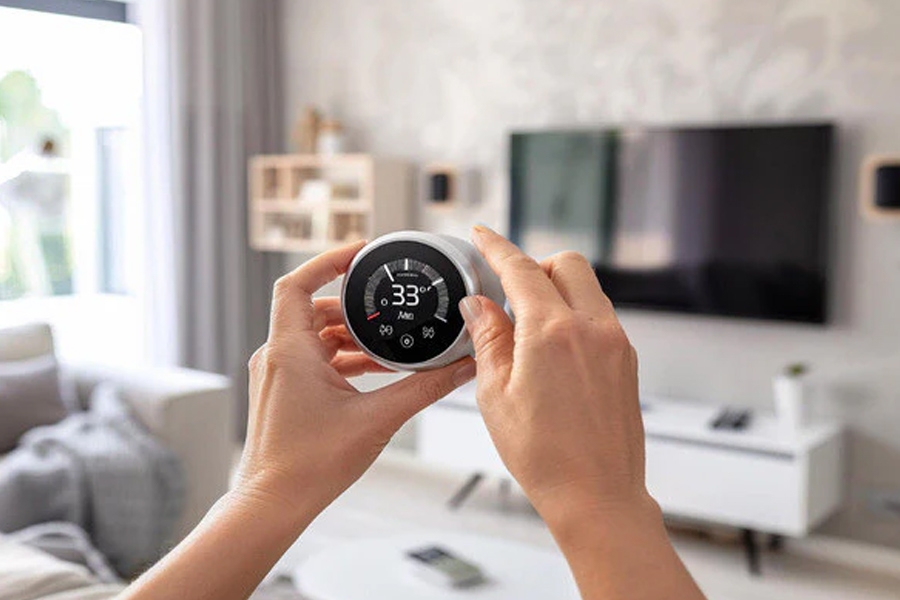
At the forefront of efficient home climate management are smart thermostats that give homeowners precise control over their temperature settings. These devices, such as the ecobee Smart Thermostat Enhanced and similar latest-generation models, offer features including real-time monitoring, learning capabilities, and the ability to make minor adjustments on their own based on user preferences. The integration of smart thermostats enables you to optimize heating and cooling schedules, minimizing energy waste and increasing comfort for everyone in the home. Features such as remote control via smartphone apps and compatibility with voice assistants provide unparalleled convenience, making these thermostats an essential component for any modern home.
Heat Pumps: Efficient Heating and Cooling
Advanced heat pumps have become a standout solution thanks to their year-round efficiency. New technologies, such as Trane Technologies’ Cold Climate Heat Pump, can maintain comfort inside even when outside temperatures reach extreme lows or highs. Recent field studies have shown that these systems can deliver average savings of 15 to 20 percent on energy bills compared to older, less efficient systems. In addition to their superior performance, heat pumps are recognized for their environmentally friendly operation. As they transfer heat rather than generate it, these units consume less energy and contribute significantly to decarbonization efforts.
Integrated Systems for Comprehensive Management
The next evolution in household climate management lies in unified smart systems that connect all climate-related devices and other smart home equipment. The Aqara Thermostat Hub W200, for example, acts as a centralized panel for temperature control and also integrates with home security, lighting, and other automation systems. This integrated approach removes much of the guesswork from maintaining comfort throughout the home. Comprehensive management systems can automatically adjust temperature settings based on occupancy, time of day, and even outdoor weather conditions, further advancing both comfort and energy efficiency.
Achieving Energy Savings and Environmental Benefits
By adopting modern climate control technology, homeowners can realize energy savings that directly translate into lower monthly utility bills and a smaller carbon footprint. The prototype Trane Cold Climate Heat Pump is a clear example of innovation in action, achieving notable reductions in energy bills during rigorous testing. These savings add up over time. Investing in advanced systems is not only environmentally responsible but also financially wise. Reducing reliance on fossil fuels by switching to high-efficiency systems supports broader efforts to minimize greenhouse gas emissions and combat climate change.
Choosing the Right System for Your Home
Selecting a climate control system that matches your home and lifestyle depends on several considerations, including home size, insulation, local climate, energy source availability, and budget. Consulting with qualified HVAC professionals ensures that you select a system tailored to your specific needs. Evaluating products by energy efficiency ratings, available rebates, and warranty offerings helps you make an informed decision that delivers the best return on investment.
Installation and Maintenance Considerations
Ensuring optimal performance from your climate control system begins with expert installation. Certified technicians are trained to handle complex system setups and troubleshoot any potential integration issues. Consistent maintenance, such as replacing air filters, checking refrigerant levels, and cleaning system components, helps preserve efficiency and extend equipment lifespan. Routine inspections are essential to prevent costly repairs and ensure year-round comfort.
Future Trends in Home Climate Control
The future of home climate systems centers on intelligent automation, deeper integration with renewable energy sources, and an enhanced user experience. Innovations like Panasonic’s OASYS system illustrate this progression, as manufacturers introduce products that not only maintain comfort but also connect seamlessly with solar panels, battery storage, and emerging grid technologies. The next generation of systems is likely to adapt in real time to occupant behavior and continuously optimize for both comfort and energy savings.
Conclusion
Modern climate control technologies empower homeowners to enjoy comfortable living spaces while more efficiently managing energy use and reducing unnecessary waste. Innovations such as smart thermostats, high-efficiency heat pumps, variable-speed HVAC systems, and integrated home energy management platforms work together to optimize heating and cooling based on occupancy, weather conditions, and individual preferences. These advanced solutions not only improve indoor comfort but also help lower monthly utility bills, extend the lifespan of HVAC equipment, and reduce a home’s overall environmental impact. Many systems also provide real-time energy monitoring, allowing homeowners to make informed decisions about their energy consumption. As technology continues to evolve, adopting these energy-efficient climate control solutions is a practical investment that supports long-term cost savings, greater convenience, and a more sustainable lifestyle, while creating healthier, more comfortable living environments for future generations.