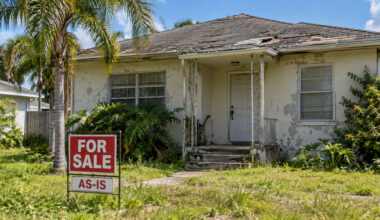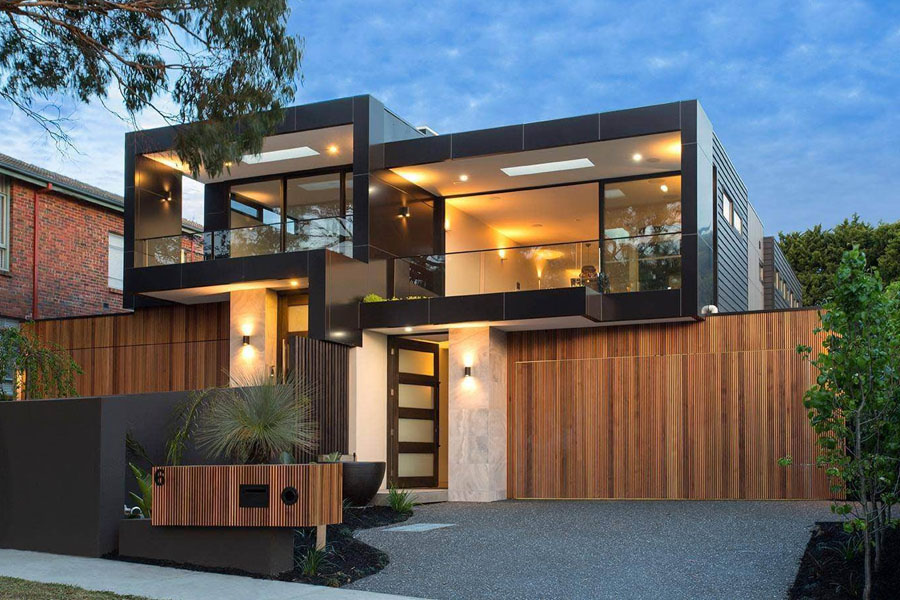
For years, the traditional “design-bid-build” approach to home construction caused inefficiencies, budget overruns, and poor communication between designers and builders. The industry is now shifting to the “design-build” model, which unites design and construction under one contract for a more streamlined process.
Key Principles of Modern Design-Build
The modern approach to home building rests on three pillars: efficiency, sustainability, and technology. These aren’t just buzzwords; they are the practical tools that make the design-build model successful.
Uncompromised Efficiency
The traditional home-building model often results in costly surprises, like discovering the need for custom steel trusses after a bid is accepted. The design-build model solves this by involving the builder early in the design phase. This helps identify budget issues upfront and propose cost-effective alternatives that maintain the desired look. Whether it’s a full home build or a project like bathroom remodeling in Kaysville, the design-build approach ensures the process is optimized for both budget and constructability before construction starts, avoiding delays and change orders.
Sustainability as a Standard
Modern construction no longer views eco-friendliness as a luxury add-on. It is integrated into the structural DNA of the home. This includes:
- Passive Design: Orienting the house to maximize natural light and airflow, reducing the need for artificial heating and cooling.
- Material Selection: Using renewable resources like bamboo flooring or recycled steel, and minimizing waste during the build process.
- Insulation and Sealing: Prioritizing the building envelope to ensure the home is airtight, which drastically lowers energy consumption.
Technology Integration
Tablets, drones, and Building Information Modeling (BIM) are transforming construction by enabling virtual home building before physical construction begins. BIM helps identify issues, like duct clashes with support beams, early to avoid costly on-site problems. Smart home technology is now integrated during the blueprint stage, ensuring seamless wiring and connectivity.
The Tangible Benefits of Modern Construction
Why are homeowners and developers increasingly turning to this method? The reasons are clear and the benefits are significant. From ease of implementation to tangible results, this approach offers measurable advantages that appeal to both individual property owners and large-scale developers alike.
Cost Savings and Certainty
Unexpected expenses, or “unknown costs,” are a major concern in construction and can easily derail a project’s budget. The design-build approach significantly reduces this uncertainty by establishing the budget early on. The construction and design teams work together to validate costs as the project develops, ensuring every decision aligns with the budget. This collaboration minimizes surprises, maintains financial control, and provides clients with greater confidence from start to finish.
Faster Timelines
Time is money, and in construction, delays are costly. Traditional project delivery often drags timelines, with the bidding phase alone taking months before work begins. The modern design-build approach streamlines this by overlapping phases—site prep can start while finalizing interior finishes. This eliminates downtime and fosters seamless collaboration between design and construction teams, cutting delivery times by up to 33%. That means you can move into your new home sooner and start enjoying it without the long wait.
Reduced Environmental Impact
The efficient process not only streamlines construction but also significantly reduces waste by ensuring precise material ordering. This approach minimizes excess cut-offs that would otherwise end up in landfills, promoting more sustainable building practices. Integrating energy modeling during the design phase improves a home’s energy efficiency, reducing consumption and minimizing its carbon footprint throughout its lifespan. This approach promotes more sustainable and cost-effective construction solutions.
Design Flexibility
The design-build approach provides significant flexibility by integrating design and construction into a single, collaborative team. This allows for seamless adjustments at any stage, real-time problem-solving, and creative solutions without affecting quality or timelines, ensuring the final home aligns perfectly with the client’s vision.
Higher Long-Term Durability
Sustainable construction techniques improve long-term durability. Using high-quality, eco-friendly materials and advanced technologies creates homes that resist harsh conditions and require fewer repairs. This increases property value and lowers maintenance costs, offering a resilient and sustainable investment for homeowners.
Conclusion
The shift toward design-build represents a maturation of the construction industry. It moves us away from adversarial relationships—where architects and builders blame each other for mistakes—toward a collaborative partnership.