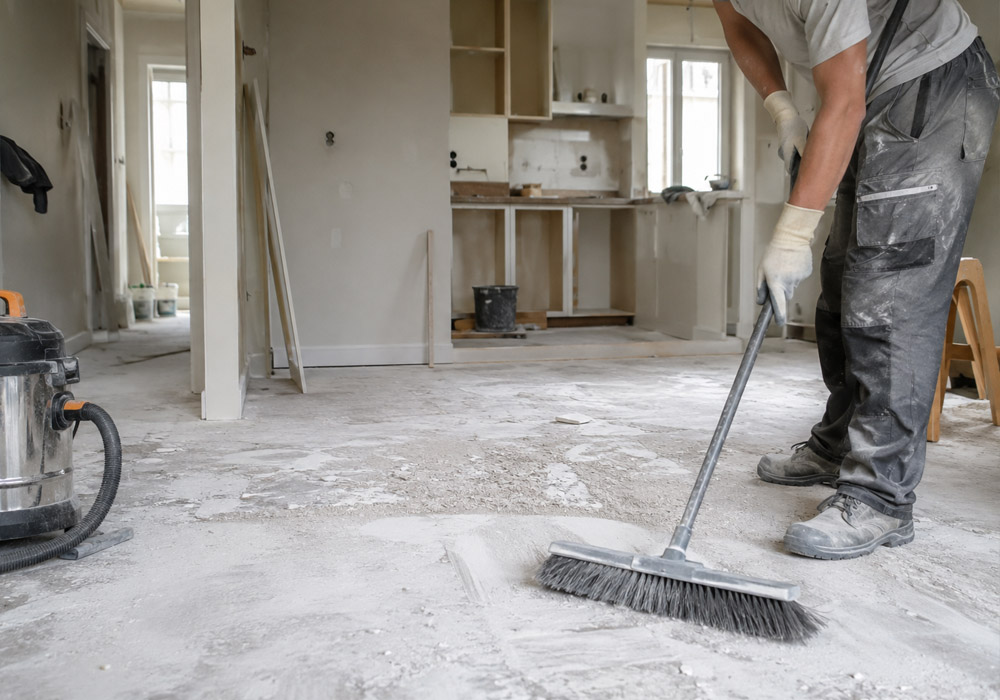
A home renovation can transform outdated or impractical rooms, but construction often leaves behind a less appealing reminder of the project: fine dust and residue, says MRA Management. Even carefully managed work can send particles onto floors, trim, fixtures, cabinets, and nearby surfaces. The room may look finished once tools and materials are removed, yet it may not be ready for normal household use.
Post-renovation cleaning differs from an ordinary weekly routine because construction particles can settle in places that receive little attention during regular upkeep. Dust may collect along ledges, inside empty cabinets, around baseboards, and on horizontal surfaces well beyond the immediate work zone. A systematic approach is necessary to avoid repeatedly moving particles from one area to another.
Professional Deep Cleaning can help bridge the gap between completed construction and a comfortable finished room. Maid 2 Clean San Diego can focus on accessible surfaces affected by renovation activity while homeowners prepare to return furniture and belongings. Addressing residual dust before rooms are fully occupied makes the final stage of a renovation more organized and manageable.
Wait Until Construction Activity Is Truly Complete
Cleaning too early can create unnecessary repetition. If contractors are still sanding, drilling, cutting, installing hardware, or completing touch-ups, new dust can settle immediately after surfaces have been cleaned.
Homeowners should confirm that major construction tasks are finished before beginning the final cleanup. Tools, unused materials, protective coverings, and larger debris should generally be removed so cleaners can reach the areas requiring attention.
Minor finishing work may still occur afterward, but the room should be sufficiently complete for detailed cleaning to remain worthwhile. Coordinating the timing helps prevent freshly cleaned areas from becoming another workspace.
Begin With High Surfaces and Work Downward
Construction dust settles under gravity, which makes cleaning order important. Starting with floors while dusty ledges and upper surfaces remain untouched can result in particles falling onto areas that have already been addressed.
Higher accessible surfaces should receive attention before lower furniture, trim, and flooring. This sequence allows loosened particles to move downward as cleaning progresses rather than repeatedly contaminating finished areas.
Maid 2 Clean San Diego can follow an organized room-by-room process that accounts for this movement. A deliberate sequence is particularly useful after projects that generated widespread fine dust across several surfaces.
Pay Attention to Trim and Architectural Details
Baseboards, molding, door frames, window ledges, and decorative trim can collect a surprising amount of construction residue. Their edges and horizontal profiles provide convenient resting places for airborne particles.
Inspect Details From Several Angles
Dust can be difficult to notice when its color closely matches the surface beneath it. Looking across trim from different angles may reveal residue that is less visible from directly in front.
These architectural details contribute significantly to how finished a renovated room appears. Cleaning them carefully helps new paint, flooring, fixtures, and other improvements look more complete once the project is ready to enjoy.
Clean Empty Cabinets Before Restocking Them
Kitchen and bathroom renovations often leave newly installed or emptied cabinets ready for household belongings. Before dishes, cookware, toiletries, or linens return, accessible interior surfaces should be checked for construction dust.
Empty storage provides an opportunity that becomes less convenient after shelves and drawers are filled. Addressing residue beforehand prevents homeowners from placing clean belongings directly onto dusty surfaces.
Professional Deep Cleaning can include appropriate accessible cabinet areas when they are part of the agreed cleaning scope. Homeowners should clarify which interiors need attention before supplies and personal items are returned.
Check Doors, Handles, and Frequently Touched Areas
Renovation work involves repeated movement through doorways and frequent handling of hardware. Doors, knobs, pulls, switches, and nearby surfaces can collect dust and marks as workers carry tools and materials between rooms.
These locations may not appear as dusty as floors, but they contribute to the overall finished appearance. Newly installed hardware can also stand out more clearly once surrounding residue has been removed.
Homeowners should include both renovated rooms and nearby access routes in their assessment. Construction activity rarely remains confined to the exact area where physical changes occurred.
Give Floors Attention Only After Upper Areas
Floors receive direct construction traffic and also collect particles that settle from surfaces above. Their final cleaning should therefore occur after accessible ledges, trim, fixtures, and other elevated areas have been addressed.
The appropriate cleaning method depends on the flooring material. Newly installed wood, tile, resilient flooring, or other surfaces may have specific care recommendations that should be respected during post-project cleanup.
Maid 2 Clean San Diego can account for the finished surfaces present in the renovated area. Using a planned sequence helps prevent floor work from being undone by dust released later from another part of the room.
Inspect Corners and Room Edges Carefully
Fine particles can accumulate where walls meet floors, behind doors, around trim transitions, and in other low-traffic locations. These areas may remain unnoticed when attention is concentrated on the dramatic new features of a renovation.
Corners deserve particular inspection because ordinary movement does not disturb settled material there as frequently. Dust can remain visible along an edge even after the central portion of a floor appears clean.
A detailed approach should include these boundaries rather than focusing exclusively on large open surfaces. Small neglected areas can make an otherwise finished room still feel connected to the construction phase.
Include Nearby Rooms in the Cleanup Plan
Renovation dust can travel outside the primary work area. Open doors, foot traffic, ventilation, and movement through hallways may carry particles into adjoining rooms even when barriers were used during construction.
Homeowners should inspect nearby spaces instead of assuming they remained unaffected. Hallway floors, adjacent furniture, windowsills, and surfaces near the work zone may require additional attention.
This does not necessarily mean the entire house needs the same level of cleaning. Identifying the actual spread of residue allows effort to be directed toward areas that were genuinely affected.
Address Fixtures After Installation Work Ends
New sinks, countertops, light fixtures, mirrors, and other features can collect dust while surrounding work continues. Cleaning them too soon may lead to repeated wiping as contractors complete nearby tasks.
Once installation is finished, these visible features deserve careful attention according to their materials. Residue around edges and adjoining surfaces can distract from the appearance of newly completed improvements.
Homeowners should also check existing fixtures that remained in the room throughout construction. Protective coverings may reduce exposure, but nearby work can still leave particles around their edges or supporting surfaces.
Avoid Restocking the Room Too Quickly
The temptation to return furniture and belongings immediately after construction is understandable. However, filling the room before detailed cleanup can block access to surfaces and trap residual dust beneath heavy objects.
Whenever practical, homeowners should allow cleaning to occur while the room remains relatively open. Furniture can then return after floors, trim, storage, and other accessible surfaces have received appropriate attention.
This sequence also simplifies organization. Belongings return to a cleaner environment, giving homeowners an opportunity to arrange the renovated room without simultaneously managing leftover construction residue.
Distinguish Cleaning From Construction Corrections
Post-renovation cleaning addresses dust, surface residue, and ordinary debris left after completed work. It does not replace corrections that belong to the construction contractor, such as unfinished installation details, damaged materials, or incomplete repairs.
Homeowners should inspect the renovation before final cleaning and document anything that appears unfinished. Separating construction concerns from cleaning needs makes it easier to direct each issue to the appropriate professional.
Deep Cleaning is most effective when the renovation itself is ready for normal use. Clear responsibilities prevent cleaning from being treated as a solution for conditions that actually require additional construction work.
Make the Final Cleanup Part of Renovation Planning
A renovation should not be considered fully complete simply because construction equipment has left the property. Dust and residue can remain across trim, cabinets, floors, fixtures, corners, and adjoining areas after the visible building work ends.
Planning the cleanup in advance creates a smoother transition from construction zone to usable living space. Waiting until major work is complete, cleaning systematically, and delaying furniture replacement until afterward can reduce repeated effort.
With support from Maid 2 Clean San Diego, homeowners can approach the final cleanup as an organized stage of the renovation rather than an unexpected chore at the end. Removing lingering construction residue allows new finishes and improvements to stand out while helping renovated rooms feel ready for comfortable everyday use.