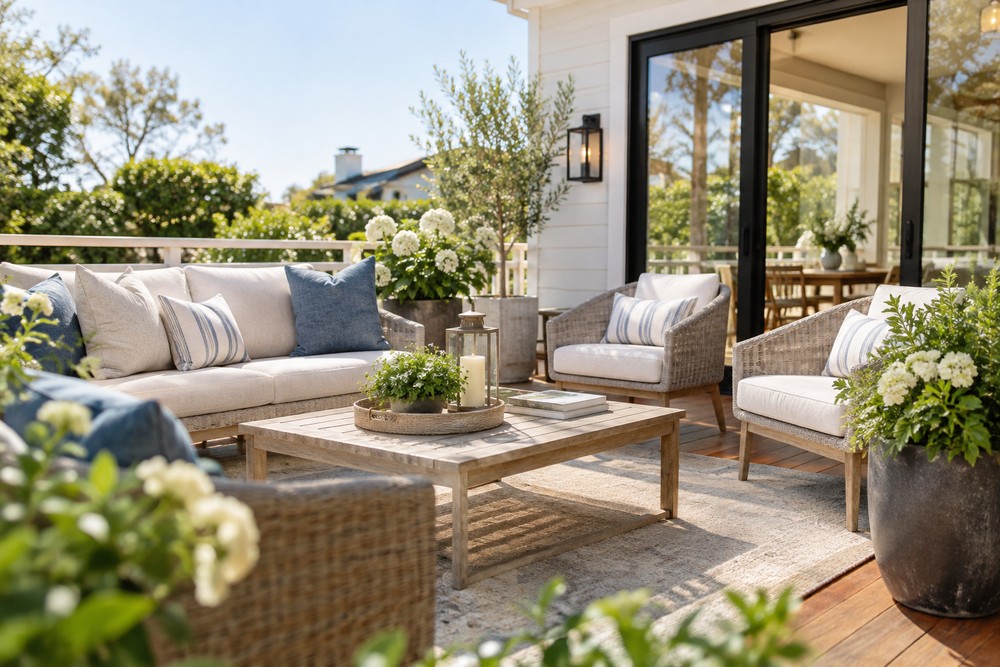
Outdoor living areas can influence how potential buyers experience a residential property. Patios, balconies, decks, and garden seating areas provide opportunities for relaxation, entertaining, and enjoying fresh air. However, these spaces may receive less attention than interior rooms when homeowners prepare a property for sale.
Home Staging can help demonstrate the practical value of outdoor areas without requiring extensive renovations. Thoughtful furniture arrangements, appropriate accessories, and careful maintenance allow buyers to recognize how these spaces could support everyday activities. The objective is to highlight existing features while creating an inviting and believable atmosphere.
Greylyn Wayne can approach outdoor presentation by considering the property’s architecture, available space, and surrounding landscape. A compact balcony requires different decisions from a spacious backyard patio, but both can benefit from clear organization. Successful presentation helps buyers appreciate outdoor amenities without distracting from the property itself.
Begin With the Outdoor Space’s Natural Purpose
Every outdoor area has particular characteristics that influence its potential use. A covered patio may accommodate dining, while a smaller balcony might provide a comfortable place for morning coffee. Understanding these possibilities helps establish an appropriate presentation strategy.
Homeowners should consider sunlight, privacy, access, and existing architectural features before introducing furniture. These conditions influence which activities feel realistic within the space.
An effective arrangement demonstrates one or two believable uses rather than several competing functions. Buyers can then understand the area’s possibilities without encountering unnecessary visual clutter.
Create a Comfortable Seating Arrangement
Outdoor seating can help buyers imagine spending time beyond the home’s interior walls. Chairs, benches, and small tables establish recognizable functions while providing a sense of scale. Their arrangement should respond to available dimensions and natural movement patterns.
Oversized furniture may make a modest patio appear crowded. Conversely, extremely small pieces can create an unrealistic impression of usable space.
Arrange Furniture Around Conversation
Seating should encourage comfortable interaction when the space permits. Chairs positioned within a practical conversational distance can establish a welcoming atmosphere. The arrangement should also preserve access to doors, steps, and surrounding features.
Keep Outdoor Dining Areas Practical
Outdoor dining can be an appealing feature when the property provides suitable space. A table and chairs may demonstrate how residents could enjoy meals outside. However, the arrangement should remain proportional to the available area.
Dining furniture requires sufficient room for chairs to move and people to circulate. A table that fits physically may still create inconvenience when every seat is occupied.
Greylyn Wayne can consider these functional relationships when presenting outdoor dining areas. The strongest arrangement communicates comfort without suggesting that the space accommodates more furniture than it realistically can.
Use Landscaping to Support the Presentation
Landscaping contributes significantly to the atmosphere of outdoor living spaces. Healthy plants, maintained borders, and appropriately trimmed greenery can create a more welcoming setting. Their appearance also influences how buyers perceive the relationship between the house and its surroundings.
Outdoor presentation does not necessarily require new planting projects. Removing weeds, clearing fallen leaves, and maintaining existing vegetation can produce meaningful improvements.
Plants should complement rather than conceal important property features. Overgrown shrubs or crowded containers may restrict pathways and make an otherwise attractive area feel neglected.
Introduce Color Through Selective Accessories
Outdoor furniture and accessories can establish visual interest without overwhelming the setting. Cushions, planters, and suitable decorative objects may introduce color and texture. Their selection should relate comfortably to exterior finishes and surrounding landscaping.
A restrained palette can help different elements appear connected. Strong accents may work effectively when used in limited quantities.
Choose Materials Suitable for Outdoor Conditions
Accessories should be appropriate for exposure to sunlight, moisture, and changing temperatures. Indoor furnishings may deteriorate quickly when placed outside without protection. Suitable materials help the presentation remain attractive throughout the selling period.
Make Small Balconies Feel Purposeful
Compact balconies can offer meaningful outdoor experiences even when they cannot accommodate large furniture arrangements. A small table with two suitable chairs may demonstrate a practical seating area. The goal is to establish function without restricting access.
Homeowners should avoid filling narrow balconies with excessive planters or decorative accessories. Clear flooring helps buyers understand the available dimensions.
Home Staging can emphasize the usefulness of a compact outdoor area through realistic furnishing choices. An organized balcony may communicate greater value than one crowded with unrelated objects.
Highlight Attractive Views and Surroundings
Some outdoor spaces offer views of gardens, mature trees, architectural features, or surrounding scenery. Furniture placement can direct attention toward these characteristics without creating unnecessary barriers. Buyers should be able to appreciate what makes the setting distinctive.
Tall accessories and oversized furnishings may obstruct important sightlines. A simpler arrangement often allows the natural surroundings to provide visual interest.
Greylyn Wayne can consider the relationship between outdoor seating and existing views when planning the presentation. The strongest arrangement supports the setting rather than competing with it.
Maintain Clear Access Between Indoor and Outdoor Areas
Outdoor living spaces often connect directly with kitchens, living rooms, or bedrooms. These transitions influence how naturally the areas function together. Furniture should not obstruct doors or interrupt movement between connected spaces.
Buyers benefit from understanding how residents could move comfortably between indoor activities and outdoor relaxation. An awkward arrangement may make an accessible patio feel inconvenient.
Doorways, steps, and circulation routes should remain unobstructed. Practical movement is essential to presenting outdoor space as a genuine extension of the home.
Consider Shade and Weather Protection
Sun exposure can influence how comfortable an outdoor area feels during different parts of the day. Existing pergolas, covered patios, umbrellas, and other shade features may contribute to usability. Their presentation should reflect the actual conditions of the property.
Shade structures should not conceal maintenance concerns or interfere with circulation. Any temporary accessories should be secure and suitable for the setting.
Buyers should be able to understand both the advantages and limitations of the space. Realistic presentation creates more dependable expectations.
Prepare Surfaces Before Adding Decorations
Outdoor styling is most effective when the underlying space appears maintained. Dirty decking, stained paving, damaged furniture, and accumulated debris can distract from decorative improvements. Cleaning and necessary maintenance should therefore come first.
Homeowners can inspect visible surfaces, railings, and outdoor fixtures before arranging accessories. Safety concerns or damaged structural components require appropriate professional attention.
Decorative elements should never be used to conceal defects. A well-presented property allows buyers to evaluate its actual condition.
Make Outdoor Lighting Part of the Atmosphere
Lighting can influence the appearance and usefulness of outdoor areas during evening hours. Existing wall fixtures, pathway lights, and appropriate decorative illumination may help establish a welcoming environment. Their placement should support visibility without creating excessive glare.
Homeowners should check that existing fixtures operate correctly. Electrical concerns should be addressed by qualified professionals.
Lighting arrangements should remain consistent with the property’s character. Simple illumination can communicate comfort more effectively than an elaborate display.
Prepare Outdoor Spaces for Listing Photography
Outdoor photographs should communicate the area’s dimensions, features, and practical possibilities. Furniture placement can provide scale while helping viewers understand how the space might function. Clear surfaces and maintained landscaping contribute to a more polished presentation.
Photographs should capture the relationship between outdoor areas and the house. Views toward doors, windows, and surrounding features can provide useful context.
The arrangement should remain realistic. Buyers should encounter substantially the same outdoor environment when visiting the property.
Help Buyers Recognize Outdoor Living Potential
Outdoor spaces can contribute to a home’s appeal when their purpose is easy to understand. Comfortable seating, practical circulation, maintained landscaping, and restrained accessories help communicate how these areas support daily life. The strongest presentation highlights existing qualities without exaggerating available space.
Effective Home Staging treats outdoor areas as functional parts of the property rather than decorative afterthoughts. Each arrangement should reflect the area’s actual dimensions, exposure, and intended use.
A thoughtfully presented patio, balcony, or deck can encourage buyers to imagine ordinary moments outdoors. By emphasizing realistic comfort and the property’s natural advantages, homeowners can create an inviting impression that complements the entire home.