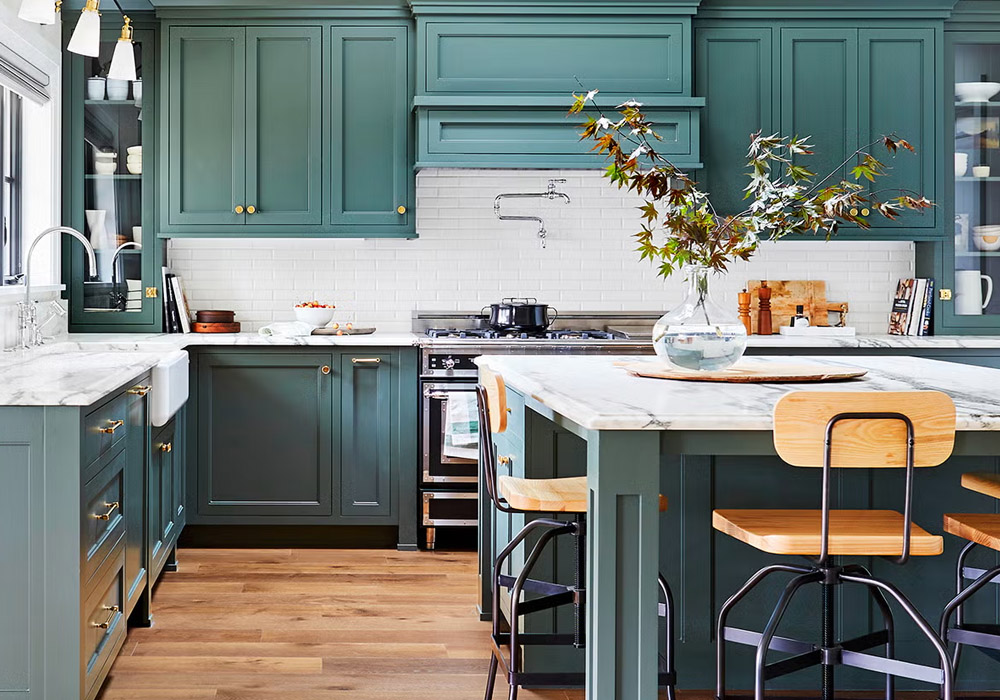
Step into almost any memorable home, and chances are the kitchen is where people naturally gather. It’s where coffee starts the morning, meals bring families together, and conversations continue long after dinner is over. But beyond being a social hub, the kitchen also shapes many of our daily habits. The layout, lighting, storage, and appliances we choose influence how often we cook, how organized we stay, and even how enjoyable healthy living feels.
Designing a wellness-focused kitchen doesn’t mean chasing expensive trends or planning a complete renovation. Instead, it’s about creating a space that supports everyday routines, encourages healthier choices, and feels comfortable to use. Small improvements, such as better lighting, smarter storage, or a dedicated meal prep area, can make a remarkable difference in both functionality and quality of life.
Whether you’re renovating your current home, preparing a property for sale, or looking for inspiration before purchasing a new one, these kitchen design ideas can help you build a space that looks beautiful while supporting everyday wellness.
Design a Kitchen That Works With You, Not Against You
A beautiful kitchen quickly loses its charm if it’s difficult to use. The most successful kitchen designs are those that make daily tasks feel effortless.
One of the first principles designers consider is workflow. The classic “work triangle,” connecting the refrigerator, sink, and cooktop, remains popular because it minimizes unnecessary movement while cooking. When these three areas are positioned thoughtfully, preparing meals becomes faster and more enjoyable.
Counter space is equally important. A cluttered or cramped work surface can discourage cooking altogether. Leaving enough room for chopping vegetables, preparing ingredients, or serving meals makes healthy cooking far less stressful.
Accessibility also matters. Frequently used utensils, cookware, spices, and pantry staples should be easy to reach without constantly opening multiple cabinets. When healthy ingredients are visible and conveniently stored, they’re more likely to become part of everyday meals.
Natural light deserves special attention as well. Large windows, glass doors, or strategically placed skylights create a brighter, more inviting environment. Daylight not only enhances the appearance of your kitchen but also makes everyday tasks like food preparation easier and more enjoyable.
For evenings, layered lighting offers the greatest flexibility. Combine overhead fixtures with under cabinet lighting and pendant lights above islands or dining areas. This approach creates both practical task lighting and a warm atmosphere that encourages family members to spend time together.
Finally, don’t overlook ventilation. Cooking releases moisture, odors, and airborne particles that can linger throughout the home. A high quality range hood improves indoor air quality while helping keep cabinets and walls cleaner over time.
Smart Storage and Appliances That Encourage Healthy Living
A well organized kitchen naturally encourages better habits. When everything has its place, preparing meals becomes less of a chore and more of an enjoyable part of the day.
Start by organizing your pantry into clear categories. Store whole grains, legumes, nuts, herbs, and spices together so they’re easy to find. Transparent containers make ingredients visible while helping maintain freshness.
Fresh produce deserves equal attention. Rather than hiding fruits in the refrigerator’s lower drawer, consider displaying some of them in attractive countertop bowls. Apples, citrus fruits, bananas, and pears not only add color to your kitchen but also serve as constant reminders to choose nutritious snacks.
Cabinet organization can also transform daily routines. Pull out shelves, drawer dividers, corner storage systems, and vertical organizers maximize available space while reducing clutter. Even a small kitchen can feel significantly larger with thoughtful storage solutions.
Appliances play a supporting role in healthy living as well. While no appliance automatically creates healthier habits, choosing tools that simplify meal preparation often encourages people to cook more frequently. A quality blender can make soups and smoothies easier to prepare, while an air fryer offers another convenient cooking option for busy households. If fresh juice is part of your wellness routine, the Hurom H400 Easy Clean Slow Juicer is an excellent addition to a wellness focused kitchen because its easy to clean design and gentle juice extraction make it convenient for regular use. Creating a dedicated space for appliances you use regularly can make healthy habits easier to maintain and keep your kitchen organized.
Creating a dedicated wellness station is another practical idea. Reserve one section of your countertop for frequently used items like your blender, juicer, tea kettle, reusable water bottles, or coffee equipment. Keeping everything together eliminates unnecessary setup each morning and makes healthy habits feel more convenient.
Don’t forget about charging stations for smart devices or recipe tablets. Modern kitchens often serve as command centers for busy families, making thoughtful organization more valuable than ever.
Choose Materials That Support Comfort and Sustainability
Wellness extends beyond nutrition. The materials surrounding us every day contribute to comfort, cleanliness, and the long term performance of our homes.
Countertops should balance durability with easy maintenance. Quartz has become a popular option because it resists stains and requires little upkeep, while natural stone offers timeless beauty for homeowners willing to provide periodic maintenance.
Flooring deserves equal consideration. Kitchens experience heavy foot traffic, occasional spills, and frequent cleaning. Porcelain tile, luxury vinyl flooring, and engineered hardwood all provide durable solutions that can withstand everyday family life.
Backsplashes offer another opportunity to simplify maintenance. Smooth ceramic or porcelain tiles are easy to wipe clean while protecting walls from cooking splashes.
Sustainability is increasingly influencing kitchen renovations as well. Energy efficient refrigerators, induction cooktops, dishwashers, and LED lighting reduce energy consumption while often lowering monthly utility costs.
Water saving faucets with modern aerators help conserve water without sacrificing performance. Similarly, choosing cabinetry made from responsibly sourced wood or recycled materials allows homeowners to reduce environmental impact while creating beautiful interiors.
Comfort should never be overlooked. Soft close drawers reduce unnecessary noise, ergonomic cabinet handles improve accessibility, and well designed seating encourages families to gather for meals rather than rushing through them.
Even acoustics contribute to wellness. Rugs, upholstered dining chairs, and sound absorbing materials help soften echoes, creating a calmer and more relaxing atmosphere throughout the kitchen.
Why Wellness Focused Kitchens Increase Home Value
Kitchen renovations have long been among the most valuable home improvements, but today’s buyers increasingly look beyond aesthetics. They want spaces that support modern lifestyles.
A kitchen that feels bright, organized, and functional often creates an immediate emotional connection during home viewings. Buyers imagine themselves preparing meals, entertaining guests, or enjoying quiet mornings with coffee.
Features like generous storage, quality lighting, efficient appliances, and spacious work surfaces communicate long term practicality. They suggest that the home has been thoughtfully designed for everyday living rather than simply staged for photographs.
For homeowners preparing to sell, investing in wellness oriented improvements can also strengthen marketing efforts. Instead of simply listing granite countertops or stainless steel appliances, property descriptions can highlight dedicated meal preparation areas, energy efficient upgrades, abundant natural light, and organized storage systems. These lifestyle benefits help create a more compelling real estate proposal by showing potential buyers how the kitchen supports comfortable, healthy living.
Fortunately, increasing your home’s appeal doesn’t always require a complete remodel.
Simple improvements often deliver impressive results. Replacing outdated cabinet hardware, installing modern pendant lighting, repainting cabinets, organizing pantry shelves, or adding attractive storage baskets can refresh the entire room without a major investment.
Adding greenery is another easy enhancement. Herbs such as basil, rosemary, parsley, or mint thrive near sunny kitchen windows while providing fresh ingredients for everyday cooking. Indoor plants also soften the overall design and introduce a natural element that makes the space feel more inviting.
Ultimately, buyers and homeowners alike are drawn to kitchens that balance beauty with purpose. A room that supports everyday wellness is more than just visually appealing. It’s functional, welcoming, and built around the way people actually live.
Conclusion
Creating a healthy home begins with designing spaces that encourage positive daily habits, and no room has a greater impact than the kitchen. From improving workflow and maximizing natural light to organizing storage and selecting durable materials, thoughtful design choices can transform an ordinary kitchen into one that inspires healthier living.
The best part is that meaningful improvements don’t always require a large renovation budget. Small changes, like decluttering countertops, upgrading lighting, introducing sustainable materials, or creating a dedicated meal prep station, can make your kitchen more enjoyable and more efficient.
Whether you’re renovating for your own family or preparing a home for the market, a wellness focused kitchen offers lasting value. It creates a space where cooking becomes easier, gathering feels more natural, and healthy routines fit seamlessly into everyday life. In the end, the most successful kitchens aren’t simply the most stylish. They’re the ones designed to help people live better, one meal and one moment at a time.