Most people treat oral health as a binary choice: either a routine cleaning to prevent cavities or a cosmetic procedure to fix an aesthetic issue. In reality, modern dentistry operates at the intersection of structure, functionality, and aesthetics. A minor tooth discolouration might stem from deep enamel erosion, while a cracked molar can alter your bite alignment, triggering jaw pain and premature wear on adjacent teeth.
Understanding how cosmetic and restorative procedures complement each other helps patients make smarter, long-term decisions about their care. Here is how modern dental treatments work together to protect your oral health while building a strong, natural-looking smile.
The Foundations of Oral Health and Aesthetics
A healthy smile relies on two distinct elements: structural integrity and enamel appearance. When your teeth are strong and properly aligned, routine maintenance keeps them that way. However, everyday habits—such as drinking coffee, consuming acidic foods, aging, or grinding your teeth at night—gradually wear down tooth surface and alter its natural shade.
Fixing these issues requires looking at the root cause rather than applying a quick patch. Treating surface stains while ignoring an underlying crack allows structural damage to progress. Conversely, placing a restoration without considering how your teeth fit together leads to premature wear on the new work.
Daily Maintenance vs. Targeted Interventions
Brushing and flossing remove plaque and surface debris, but they cannot reverse deep intrinsic staining or repair damaged structure.
- Preventive Care: Routine cleanings, fluoride treatments, and daily hygiene preserve enamel health and prevent gum disease.
- Cosmetic Improvements: Professional whitening lifts stubborn stains caused by food, drink, and age without compromising enamel.
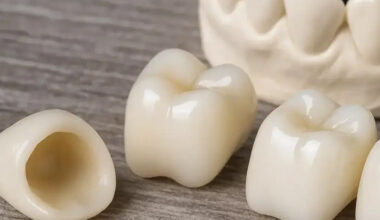
- Restorative Dentistry: Solutions like crowns, bridges, and fillings repair structural damage, rebuild decayed teeth, and restore full biting function.
When considering cosmetic options like professional teeth whitening virginia beach va, timing is key; that’s advice you’ll likely get from Smiles of Virginia Beach Cosmetic and Family Dentistry. Professional whitening agents use hydrogen peroxide or carbamide peroxide gels that penetrate enamel to break down organic stain molecules. Performing this step before any restorative work ensures that any future fillings, veneers, or crowns match your brightened natural shade, as dental porcelain and composite materials do not lighten with whitening gels.
Restoring Function and Structural Integrity
While cosmetic treatments focus on shade and surface appearance, structural damage requires restorative solutions. Teeth suffer from decay, trauma, and heavy biting forces every day. When a tooth loses significant structure, standard composite fillings are no longer enough to support the force of chewing.
Leaving a severely damaged or weakened tooth untreated exposes the inner pulp to bacteria, leading to infections, abscesses, or tooth loss.
When a tooth fractures or undergoes a root canal, surrounding enamel becomes brittle. Placing a custom-crafted restoration over the remaining tooth structure seals off bacteria, reinforces weak walls, and distributes biting force evenly across the jaw.
For patients needing durable full-coverage restorations, choosing dental crowns in saratoga springs ny from trusted clinics like Salvatore Dental offers a long-term solution that repairs function while blending seamlessly with surrounding teeth. Modern materials like zirconia and lithium disilicate (E.max) mirror the translucency and strength of natural enamel, allowing restored teeth to withstand heavy chewing forces without looking artificial.
Combining Cosmetic and Restorative Dentistry
Creating a healthy, durable smile requires a coordinated approach. Treating structural problems before aesthetic concerns prevents unnecessary re-work and delivers lasting results.
Step 1: Health and Stabilization First
Before starting any cosmetic or structural modifications, your gums and underlying bone structure must be healthy. Active periodontal disease or untreated decay compromises any restoration.
- Clear Active Infection: Treat gum inflammation, tooth decay, or abscesses first.
- Evaluate Tooth Alignment: Correct severe bite issues that could place excessive force on new restorations.
- Establish a Clean Slate: Professional cleanings remove tartar buildup so dentists can accurately evaluate tooth shade and margins.
Step 2: Establish the Natural Baseline
If you plan to lighten your smile, complete all whitening treatments before placing permanent restorations.
- Whitening gels alter natural enamel shade but do not affect ceramic, porcelain, or resin.
- Wait approximately two weeks after whitening before taking digital impressions for crowns or veneers. This period allows the tooth shade to stabilize and ensures optimal bonding strength.
Step 3: Precise Restorative Execution
Once your teeth reach your desired baseline shade, custom restorations are designed to match. Digital scanners capture precise 3D models of your teeth, eliminating mess and improving crown margin accuracy.
| Treatment Phase | Primary Goal | Recommended Sequence |
| Preventive / Periodontal | Clear bacteria and stabilize gums | Always First |
| Aesthetic / Whitening | Establish target enamel shade | Second (Before Restorations) |
| Restorative / Structural | Repair teeth with crowns, inlays, or bridges | Final Phase |
Maintaining Your Oral Health Investment
Achieving a healthy smile is only the first step; maintaining it requires consistent care and protection.
- Maintain Daily Oral Hygiene: Brush twice daily with a non-abrasive fluoride toothpaste to protect enamel and restoration margins. Floss daily to prevent decay around crown edges.
- Wear a Nightguard: If you grind your teeth at night (bruxism), a custom nightguard protects both natural enamel and porcelain restorations from chipping or fracturing under pressure.
- Schedule Regular Checkups: Bi-annual dental visits allow your dentist to monitor crown margins, check for early signs of decay, and perform professional cleanings that keep your enamel bright.
Treating oral health as a combination of structural restoration and cosmetic maintenance gives you a strong, fully functional smile built to last. Address structural damage early, plan cosmetic enhancements thoughtfully, and stick to a consistent maintenance routine to keep your teeth healthy for decades.