Key Takeaways
- The right restoration depends on the tooth, the amount of healthy structure left, bite pressure, appearance goals, and daily habits.
- Fillings, inlays, onlays, veneers, and crowns solve different problems, so one option is not automatically right for every tooth.
- Restorations need ongoing brushing, cleaning between the teeth, and professional checkups because the tooth and the surrounding gums remain vulnerable to decay and disease.
- Digital scans, modern ceramics, bonding systems, and research into longer-lasting materials continue to influence restorative care.
- New sensitivity, pain when biting, looseness, swelling, or a visible crack should prompt a call to a dental office.
Why Dental Restorations Matter
A dental restoration repairs or replaces part of a tooth that has been affected by decay, a crack, injury, wear, or an older failing filling. For Champaign, Illinois, patients comparing options, this complete guide to dental crowns can help clarify when a full-coverage restoration may be part of the conversation.
Small areas of damage may be treated with a filling. When the damage is more extensive, a dentist may discuss an inlay, onlay, or crown that protects more of the chewing surface and the tooth walls. The goal is not simply to cover a problem. It is to restore function while preserving as much healthy natural tooth structure as the situation allows.
A tooth can need attention even when it does not hurt. For example, a large old filling may leave thin tooth walls that are more likely to fracture under chewing pressure. An examination, X-rays when appropriate, and a bite assessment help reveal concerns that may not be visible in a mirror.
For residents managing work, school, family schedules, and the changing seasons in Champaign-Urbana, addressing a small dental concern early may be easier than waiting until a broken tooth creates an urgent problem. Prompt evaluation also gives patients more time to consider treatment choices.
When discussing personalized restorative care, Champaign Dental can be a starting point for asking practical questions about materials, appointment timing, and home care expectations.
How Restoration Materials Differ
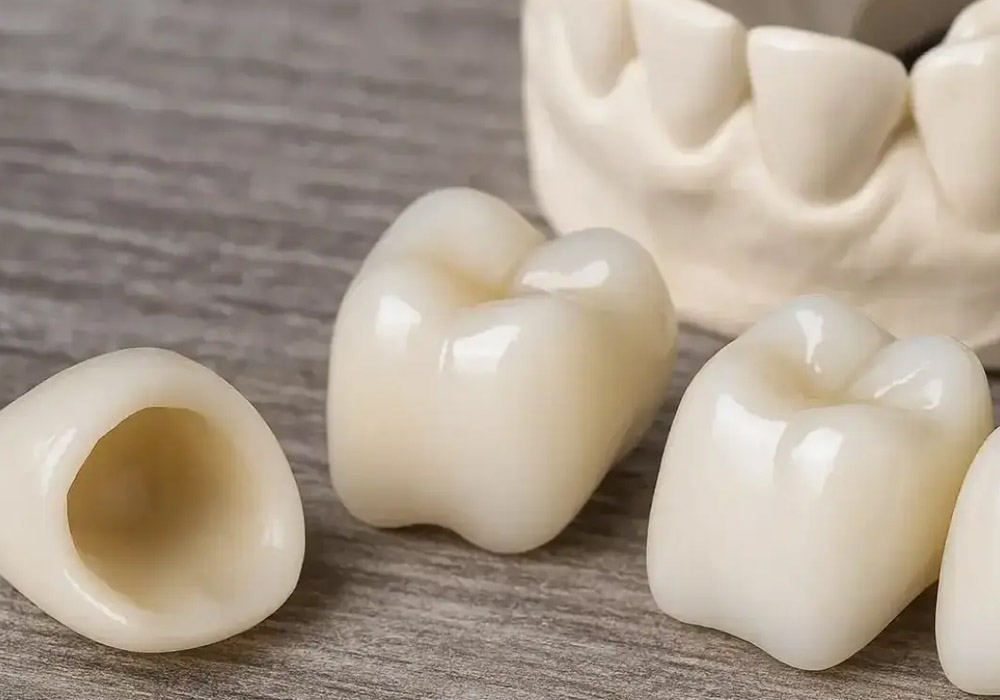
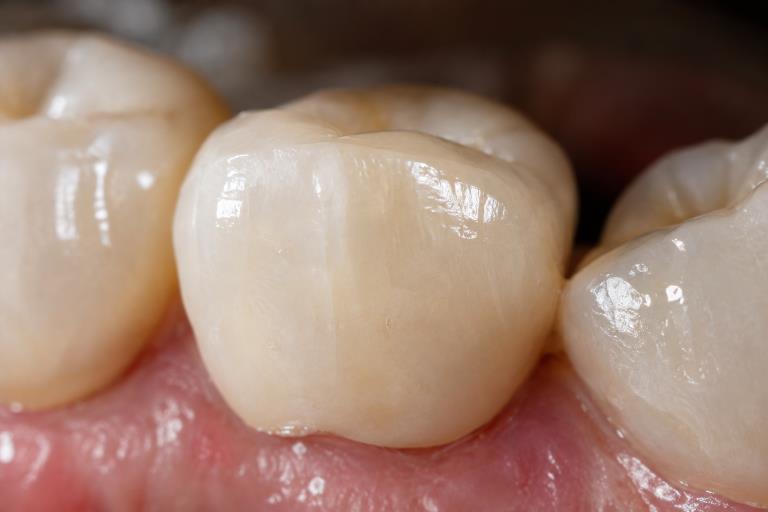
Material selection is a balance, not a one-size-fits-all decision. Tooth-colored ceramic can closely match nearby teeth and is often considered when appearance is important. Zirconia is a ceramic option commonly selected for situations where strength is a major priority. Metal and metal-ceramic restorations remain options in some cases because of their long history of use and mechanical properties.
Composite resin and hybrid materials may be suitable for selected restorations, particularly when a more conservative repair is possible. Shade, translucency, restoration thickness, tooth location, remaining enamel, and bite forces can all affect the recommendation. Current dental materials research includes efforts to improve resistance to wear and breakdown, strengthen bonds to teeth, and reduce leakage around restorations.
How Dentists Choose an Option
A careful recommendation usually starts with the tooth itself. The dentist evaluates decay, cracks, previous restorations, gum health, and how much sound tooth remains. Bite patterns also matter. Clenching, grinding, and uneven contact can place substantial stress on a restoration.
Factors that guide the discussion
- Location: Front teeth often require a different appearance-strength balance than molars.
- Extent of damage: A conservative filling may suffice for a smaller defect, whereas a weakened tooth may require broader coverage.
- Function: Chewing comfort, speech, and the relationship with opposing teeth should be considered.
- Long-term maintenance: Oral hygiene, risk of cavities, follow-up habits, and the possible need for a nightguard all matter.
- Personal priorities: Cost, treatment time, appearance, and the desire to preserve tooth structure should be discussed openly.
What to Expect During Treatment
Restorative treatment commonly begins with an examination and may include X-rays or a digital scan. If a tooth needs an indirect restoration, such as a crown or onlay, the dentist prepares the tooth by removing decay or weakened material and shaping the area for the restoration.
Some cases involve a temporary restoration while a laboratory produces the final piece. Other offices may use digital design and chairside manufacturing for certain cases. At the final visit, the restoration is checked for fit, comfort, shade when relevant, and bite contact before it is bonded or cemented.
Before treatment, ask whether you should eat beforehand, whether medications need special instructions, and whether transportation is advisable if sedation is planned. Follow the specific directions given by the treating dental professional.
Daily Care After Treatment
A restoration is durable, but it is not maintenance-free. Brush twice daily with fluoride toothpaste unless a dental professional recommends otherwise, and clean between teeth daily. The edges where a restoration meets the natural tooth still need careful plaque removal.
Avoid using teeth to open packages, hold objects, or cut tape. Chewing ice, hard candy, pens, or fingernails can damage natural teeth and restorations alike. A full-coverage crown covers much of a tooth, but the tooth underneath and the gumline around it still require routine care.
People who clench or grind may benefit from discussing a custom nightguard. Regular exams allow a dentist to detect wear, recurrent decay, gum irritation, or bite changes before they become more complicated.
Warning Signs That Need Attention
Contact a dental office if you notice lasting sensitivity to heat, cold, or pressure; pain when biting; a sharp edge; a crack; a loose restoration; repeated food trapping; swelling; bleeding; or a bad taste near one tooth. Sudden damage after an injury or biting something hard also deserves prompt evaluation.
Do not rely on home repairs as a long-term answer for a loose or broken restoration. Temporary measures may protect an area briefly, but they cannot detect decay, fractures, or bite problems beneath the surface.
Restorative Dentistry Trends
Digital impressions, computer-aided design, and computer-assisted manufacturing are now widely used in restorative workflows. These tools can support detailed planning and fabrication, but they do not replace a thorough diagnosis, careful preparation, or proper bite adjustment.
Research continues to focus on materials that balance appearance, strength, wear resistance, and reliable bonding. The National Institute of Dental and Craniofacial Research reported investing more than $11 million in dental materials research during fiscal year 2024, including work involving composites, adhesives, and early-stage smart materials. Those developments are promising, but research findings do not guarantee that every newer material will be appropriate for every patient.
Questions to Ask Before Treatment
- What problem is this restoration intended to solve?
- Are there less extensive treatment options?
- Which materials fit this tooth, my bite, and my appearance goals?
- How much natural tooth structure will need to be removed?
- Will treatment require one visit or more than one?
- What should I expect during the first few days after placement?
- Could clenching or grinding affect the result?
- Would a nightguard be helpful?
- Which symptoms should lead me to call promptly?
- What costs may not be covered by insurance?
Final Thoughts
Successful dental restorations in Champaign, Illinois, depend on more than the material chosen. The condition of the tooth, the health of the gums, the bite, professional planning, and everyday habits all influence the result. A thoughtful consultation helps patients choose a treatment that supports comfort, function, and long-term oral health.