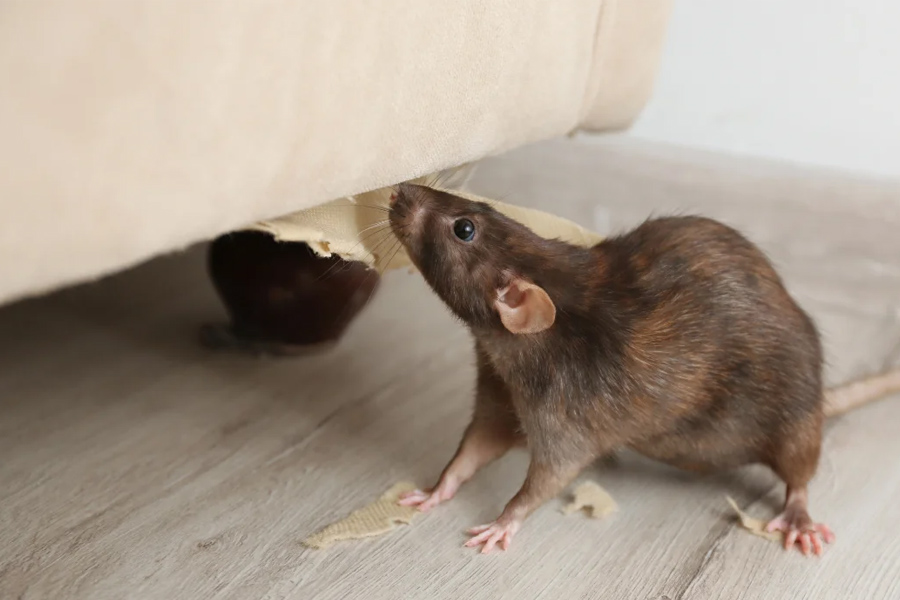
A spotless kitchen seems like the last place a mouse would choose to visit. The counters are wiped down, food goes back into cabinets, and the floors are swept every evening. Yet a homeowner might still hear faint scratching behind the refrigerator or discover tiny droppings in a drawer that was cleaned only days earlier. Cleanliness matters, but it cannot close a gap beneath a door or repair a missing section of exterior trim.
This is why mice control involves more than removing crumbs and setting traps. A mouse needs shelter, a way inside, and access to food or water, and some of those needs can be met in a house that looks immaculate. The real challenge is finding where the animal travels and what allows it to remain unnoticed.
For homeowners comparing approaches, Boone Wildlife and Pest Solutions offers a useful reminder of the distinction between dealing with a visible mouse and investigating the conditions that brought it indoors. Understanding that difference helps explain why tidy homes can develop persistent problems without showing obvious signs in living spaces.
Why a Clean House Can Still Appeal to Mice
Most household cleaning focuses on surfaces people use every day. Mice, however, travel through less visible places: behind appliances, inside wall cavities, beneath cabinets, and around utility connections. They do not need an untidy room to find a protected route from one area to another.
They are also opportunistic. A small spill of pet food under a heavy appliance, a forgotten bag of birdseed in the garage, or food stored in a package they can chew may be enough to support activity. They can sometimes find food outside and use the house primarily for shelter. Even excellent housekeeping cannot prevent that on its own.
Seasonal changes may influence where mice seek shelter, but entry can happen at different times of year. The important question is not whether the home looks clean. It is whether mice can reach an inviting hidden space.
Small Gaps Are Often More Important Than Mess
Where pipes and cables pass through walls
A hole drilled for a water line or cable may leave an open space around the connection. These gaps are easy to overlook when they sit behind a washing machine, under a sink, or near a basement ceiling. Some lead directly outdoors; others connect rooms through concealed cavities.
An inspection should distinguish between interior gaps and actual exterior entry points. Closing a gap inside the kitchen without identifying the route outdoors may simply push mouse traffic to another opening.
Doors, foundations, and garage transitions
Worn weatherstripping, poorly fitted garage doors, damaged vents, and openings near foundation edges also deserve attention. Mice can squeeze through surprisingly small spaces. Rather than relying on a quick visual check from across the room, look for daylight beneath doors, missing seals, or chew marks around accessible edges.
Never block a ventilation opening or alter wiring to keep mice out. Repairs need to preserve the building’s drainage, ventilation, and electrical safety. A qualified contractor may be needed when an opening is part of a building system.
The Signs Homeowners Usually Miss First
A mouse does not have to cross an open floor to leave evidence. In fact, the earliest clues often appear in places that rarely receive attention.
Faint noises that follow a pattern
Scratching or light movement after the house settles down may suggest activity in a wall, ceiling, or cabinet void. But sound travels through buildings, and plumbing, ventilation, and other animals can produce similar noises. Repeated observations are more informative than one unfamiliar sound.
Marks hidden behind stored items
Droppings near the back of a pantry, gnaw marks on packaging, and shredded paper tucked behind boxes may point to mouse activity. Check without pulling apart a suspected nest or disturbing loose debris. Photographs can preserve evidence for identification while limiting unnecessary contact.
Odors without an obvious source
A persistent unpleasant smell in a closed cabinet or utility area could come from several causes, including damp materials, spoiled food, or animal contamination. Do not assume the source is mice based on odor alone. If the smell is strong or persistent, investigate safely rather than masking it with cleaning products.
Why Traps Alone May Not Resolve the Problem
A trap can catch an individual mouse, but it cannot explain how that mouse entered. If the access point remains open, the conditions that supported the first visitor can support another. This is one reason homeowners sometimes report catching several mice without seeing a lasting change.
Effective mice control brings the search for entry points into the same plan as population management. Species identification, inspection findings, and the home’s layout all influence what should happen next. Avoid placing traps or toxic products where children, pets, or wildlife could contact them. Any pesticide use should follow its label and applicable rules.
An especially common mistake is sealing a suspected exit before checking whether animals are still inside. Depending on the situation, that can leave them trapped in wall spaces. Inspection and an appropriate control plan should come before final exclusion repairs.
Food Storage Helps, but Shelter Matters Too
A sealed container is useful because mice may chew through thin cardboard or plastic packaging. Cleaning around stoves, refrigerators, and pet feeding areas also removes overlooked food sources. These steps make a home less rewarding for pests, and they should continue even after activity appears to stop.
Still, a mouse may shelter in insulation, a garage storage corner, or a quiet crawl space while feeding somewhere else. That is why cleaning should complement inspection rather than replace it. Check for water leaks, clutter pressed against walls, and stored materials that make concealed movement difficult to notice.
Homeowners seeking an assessment from Boone Wildlife and Pest Solutions can ask how inspectors distinguish feeding areas from travel routes and nesting spaces. Those findings are more actionable than a general instruction to keep the house tidy, especially if the household already has consistent cleaning habits.
What to Do When You Find Possible Mouse Evidence
Start by keeping children and pets away from the affected area. Do not sweep or vacuum droppings dry, since disturbing contaminated material may put harmful particles into the air. Follow current public-health guidance for safe cleanup, including appropriate disinfecting and protective measures, or seek professional help when contamination is extensive or difficult to reach.
Next, write down where and when you noticed the signs. A simple record of noises, droppings, damaged packaging, and visible gaps helps show whether activity is concentrated in one place or spread across the house. Avoid moving everything at once if doing so would destroy clues or expose a nest.
A thorough inspection should look beyond the room where the evidence appeared. The route may begin at a garage threshold or basement penetration several rooms away. After the source and extent of activity are assessed, cleanup and repairs can be planned in a sensible order. For mice control to hold up over time, those repairs should address confirmed access points instead of only the room where droppings appeared.
A conversation with Boone Wildlife and Pest Solutions, or another qualified provider, should also cover what can realistically be confirmed during an inspection and whether follow-up checks are appropriate. No single clean night or empty trap proves that the entire home is clear.
A Better Definition of a Mouse-Free Home
A clean home offers real benefits, but neat counters and freshly mopped floors are not reliable measures of whether mice can enter. Hidden openings, sheltered routes, and overlooked storage spaces can support activity even in a house with excellent daily habits.
The more durable response combines careful observation, safe handling of evidence, identification of access points, appropriate treatment, and repairs that address the cause. Instead of treating every mouse sighting as a housekeeping failure, homeowners can focus on the building conditions that actually make a difference.