The Cataract Journey: From Subtle Haze to Treatable Condition
Cataracts start like films on camera lenses. Images remain, but contrast fades, colors flatten, and headlight glare turns night roadways into rivers of light. Because cataracts develop slowly, the brain silently adapts until once-easy tasks require focus and frustration. Reading fine print, threading a needle, or recognizing a face across the room can feel like looking through a fogged window.
Cataracts are not a disease of sudden disaster. They are a mechanical problem in a clear structure that has grown cloudy with time, medications, genetics, or systemic conditions. The good news is that this particular haze is one of the most fixable problems in modern medicine. The even better news is that the tools and techniques keep improving, widening the margin of safety and helping tailor vision to the way people actually live.
Inside the Operating Room: What Today’s Procedure Really Looks Like
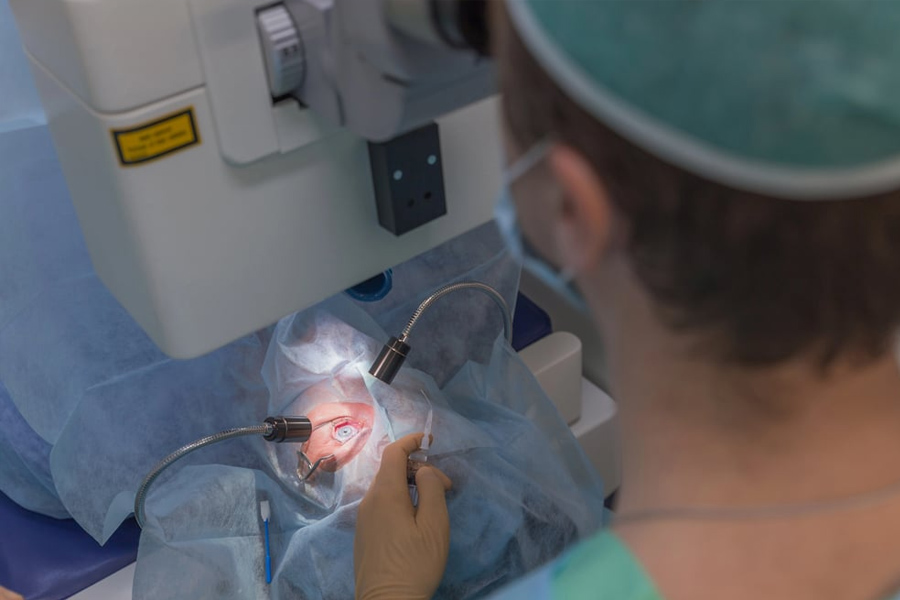
Modern cataract surgery has exact protocols and a short timetable. A surgeon makes a minuscule incision to reach the natural lens after numbing drops and brief anesthesia. Ultrasound energy fractures and vacuums the cataract through a small channel to soften and remove it. A transparent intraocular lens is folded, implanted, and unfolded to replace the natural lens.
Incisions normally heal themselves. Many go home the same day. The complete operation usually takes under 20 minutes each eye. Controlling fluid dynamics, preserving the cornea, trapping the implant in a tiny capsule, and accurately aligning astigmatism-correcting features are the specifics.
Choosing the Right Lens: Matching Vision Goals to IOL Options
There is no single best implant for everyone. The right choice depends on eye anatomy, lifestyle, and tolerance for visual tradeoffs.
- Monofocal lenses typically sharpen one focal point, most often distance. They usually provide crisp daytime driving and outdoor clarity, with readers for near work.
- Toric lenses tackle astigmatism by adding power in a specific axis. When aligned precisely, they can cut down glasses dependence for distance.
- Multifocal and extended depth-of-focus lenses expand the range of clear vision. They can lessen the need for glasses at multiple distances but may introduce halos or mild contrast loss, especially at night.
- Monovision pairs two monofocals at different focal targets, one eye favoring distance and the other favoring near, a strategy that some brains embrace and others reject.
An honest conversation about nighttime driving, screen time, hobbies, and occupational demands often makes the decision obvious. The goal is not just to see better on an eye chart. It is to match vision to daily life.
Precision Tools That Raise the Bar
Modern cataract surgery relies on accuracy. Preoperative measures now account for corneal shape, axial length, and minor aberrations that previously hindered predictability. Incision formation and capsulotomy can be automated with femtosecond lasers, enhancing consistency for complicated eyes. Digital image-guided devices assist surgeons align toric lenses with their intended axis by mapping preoperative corneal markings to the surgical field. When traditional calculations encounter borderline factors, intraoperative aberrometry can adjust implant power.
Add to that microincision techniques that protect the cornea, safer lens fragmentation patterns that spare energy, and intracameral antibiotics that reduce infection risk. The net effect is a tighter spread of outcomes and smoother recoveries.
Personalized Planning Starts on the Ocular Surface
Biometry depends on corneal tear film. Refractive outcomes can be distorted by dry eye, blepharitis, and meibomian gland dysfunction. Lid hygiene, lubricants, anti-inflammatory drops, and in-office therapies are increasingly used before surgery. Even little tear film stability improvements can improve IOL power selection and patient satisfaction.
Other things affect planning. Prior laser vision correction, corneal scarring, glaucoma, pupil behavior, and retinal health affect lens choice and surgery. A premium implant may not be the ideal choice if the retina or optic nerve limits clarity. Personalization means adapting technology to biology rather than pushing an upgrade.
Recovery Without the Guesswork: The First 30 Days
Brightening and intense color pops occur within hours. Clarity may change in the first week as the cornea settles and the eye adjusts to its new optical system. The majority of patients utilize prescription drops to minimize inflammation and infection. Early symptoms include light sensitivity, minor scratchiness, and nighttime halos frequently pass.
Activity limitations have eased. Screen work and easy routines can resume after a day or two, but high-impact exercise and swimming must wait until the surgeon approves. First and second eye operations can affect depth perception, although this resolves once both eyes are on the same team. Most eyes are stable after one month.
Risks, Tradeoffs, and Realistic Expectations
Cataract surgery is safe but risky. An infection, chronic inflammation, corneal edema, retinal detachment, or unanticipated refractive error are rare consequences. Cystoid macular edema can obscure vision weeks later and responds to anti-inflammatory treatment. A quick laser therapy can clear posterior capsule opacification months to years after surgery, restoring the crispness many remember from the early postoperative days.
Pay attention to optical compromises. Nighttime halos are more common with multifocal optics and decrease as the brain adapts. Rotational alignment affects toric lenses. Monovision is great for some and annoying for others. Precision cannot eliminate all variables, but a purposeful front-end conversation reduces surprises.
Beyond Blurry Vision: When Surgery Does More Than Clear Sight
Improved vision is the headline, but the bylines are just as important. Safer night driving means social events and family visits return. Reduced reliance on glasses frees pockets and minds. For people with narrow angles or lens-induced issues, cataract removal can lower pressure and create space that protects the optic nerve. For others, it becomes part of a broader plan that includes managing diabetes, controlling inflammation, or optimizing the surface for comfortable screen time.
Even the emotional impact is real. When the world regains contrast and color, confidence often follows. The fog lifts. The windshield clears. Daily life becomes simpler, and small pleasures reappear in high definition.
FAQ
How do I know when it is the right time to consider cataract surgery?
Function determines timing, not an eye chart number. Surgery is often necessary if glare, night driving issues, or prescription changes interrupt normal life. A cataract exam can confirm if it’s the main cause of symptoms.
What are the differences between standard and premium lens options?
Standard monofocal lenses focus on one distance, usually far. Premium lenses including toric, multifocal, and extended depth-of-focus correct astigmatism or improve vision. Premium lenses can reduce glasses use but cause nocturnal halos. The best option relies on lifestyle and eye health.
Will I still need glasses after cataract surgery?
Monofocal or toric lenses help many individuals see distances clearly. Monofocal reading glasses are widespread. Multifocal and extended depth-of-focus designs reduce multiple-distance reliance, however some jobs may benefit from glasses. Eye anatomy and lens type affect results.
What is the typical recovery timeline?
Clarity improves in days for most. Week one usually has little variations. After two to four weeks, vision stabilizes and an eyeglass prescription can be set. Individual healing and surgeon counsel usually restores activity levels rapidly.
Are there long-term issues after successful surgery?
Long-term eyesight is often steady. The most frequent delayed alteration is posterior capsule opacification, or secondary cataract, which can obscure vision months or years later. Clear vision is restored by a short outpatient laser operation. Maintaining eye health requires regular eye exams.
Can cataract surgery correct astigmatism?
Yes. Astigmatism can be corrected with toric lenses, precise incision planning, or additional techniques. Careful preoperative measurements and alignment during surgery are key. With proper planning, many people with astigmatism achieve clearer distance vision without glasses.
What if I have other eye conditions like macular degeneration or glaucoma?
Coexisting conditions can influence both candidacy and expected outcomes. Cataract removal can still improve clarity, but the final sharpness may be limited by retinal or optic nerve health. A personalized plan balances cataract treatment with ongoing management of other eye diseases.
Is laser-assisted cataract surgery better than ultrasound-only techniques?
Laser aid may improve uniformity in dense cataracts or astigmatism correction that demands accuracy. Both methods yield great results when performed by expert surgeons. The optimal procedure relies on eye anatomy and surgeon preference.
Why do colors look different after surgery?
A cataract filters and tints incoming light. Once replaced with a clear lens, more blue and violet wavelengths reach the retina, making whites appear brighter and colors more vibrant. The effect feels dramatic at first and then becomes the new normal as the brain adapts.
What happens if my vision is not as sharp as expected?
Investigations are done if vision falls short. Common causes include dry eye, persistent refractive error, edema, and early posterior capsule opacification. When necessary, artificial tears, anti-inflammatory drops, capsule laser cleaning, or small refractive touch-ups are available.