Victoria was the first place in the world to make bike helmets compulsory by law, back in 1990. That’s not a small historical footnote. It means Melbourne cyclists have been legally required to wear one for over three decades, longer than most riders alive today have been riding.
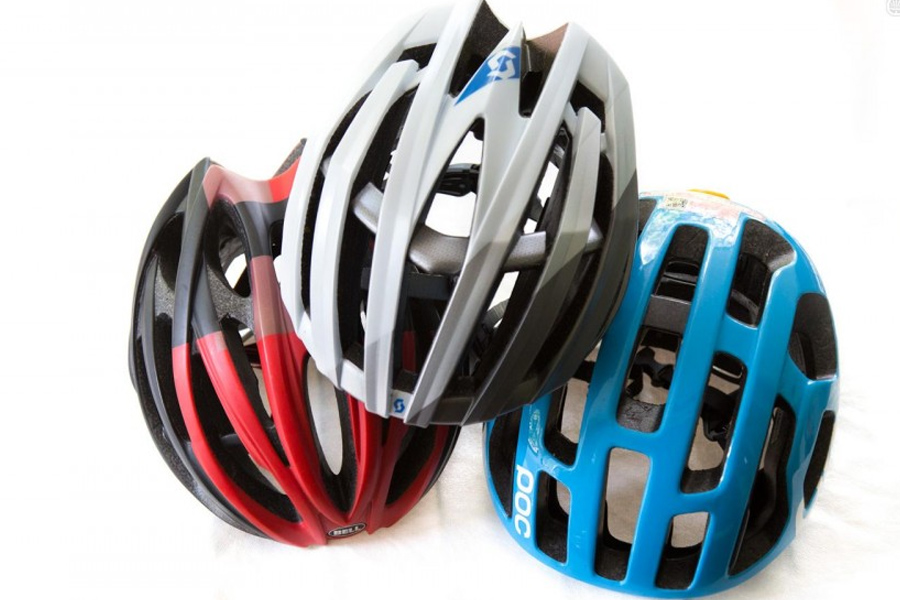
Not every helmet sold does the same job, even though most bike helmets in Melbourne look roughly similar from across a shop floor. Fit, ventilation, certification, and how the helmet was built inside all change how much protection a rider actually gets when something goes wrong, and skipping past these details is how people end up wearing a helmet that technically sits on their head but barely does its job.
The Legal Standard Nobody Reads the Fine Print On
In Australia, helmets sold for road use must meet AS/NZS 2063, the local safety standard covering impact absorption, strap strength, and how the helmet stays on the head during a crash. A helmet without this certification sticker inside the shell shouldn’t be trusted for road riding, no matter how good it looks. Imported novelty helmets sometimes skip this standard entirely, and riders genuinely have no easy way to tell just by looking.
Certification isn’t just red tape. A meta-analysis reviewing 21 separate studies on mandatory helmet legislation found that helmet use reduced head injuries among cyclists by 20 percent and cut serious injuries by 55 percent. Other Australian research, drawing on more than 64,000 cyclists across dozens of international studies, found the risk of dying from a head injury dropped by around 65 percent among helmeted riders. Those aren’t marginal numbers. They’re the difference between walking away from a fall and not walking away at all.
Fit Beats Features Every Time
A $300 helmet worn loose protects less than a $60 helmet worn correctly. That’s just true, and it surprises a lot of buyers who assume price is the main variable. The helmet should sit level on the head, not tipped back showing the forehead, with the strap forming a snug V just below each ear and no more than two fingers of gap under the chin strap.
- A helmet that rocks front to back when the head shakes is too loose, regardless of price.
- Foam padding should touch the scalp evenly, without pressure points on one side.
- Ventilation matters more in Melbourne’s summer than most riders expect until their first 35 degree commute.
- MIPS technology, a slip layer inside the shell, reduces rotational force during angled impacts.
- Any helmet involved in a crash needs replacing, even if the shell looks undamaged.
| Helmet Type | Best Suited For | Typical Weight |
| Road racing helmet | Long distance, speed-focused riding | 220 to 280 grams |
| Commuter helmet | Daily city riding, built-in visor | 280 to 350 grams |
| Mountain bike helmet | Trail riding, extended rear coverage | 300 to 400 grams |
| Kids helmet | Ages 2 to 12, smaller shell sizes | 200 to 260 grams |
Why Foam Degrades Even Without a Crash
The expanded polystyrene foam inside a helmet slowly loses its absorbing ability from UV exposure, heat, and general ageing, not just from impacts. Most manufacturers recommend replacing a helmet every three to five years regardless of whether it’s ever been dropped or crashed. Leaving a helmet baking on a car dash in summer speeds this breakdown up considerably, which is a detail almost nobody thinks about until their helmet is already five years old and quietly weaker than it looks.
There’s an ongoing academic debate about whether mandatory helmet laws reduced cycling participation in Australia during the early 1990s, and some researchers argue the drop in head injuries partly reflects fewer people riding rather than helmets alone working harder. That debate is worth knowing about, but it doesn’t change the physics for an individual rider on an individual day. A properly fitted, certified helmet reduces the odds of severe head trauma in a crash, and that fact holds regardless of which side of the participation debate turns out to be right.
Buying a helmet in Melbourne comes down to matching the type to the riding, checking the AS/NZS sticker, and getting the fit genuinely snug rather than just close enough. Everything else is secondary.