Key Takeaways
- Start with how your household will use the yard, then choose plants and materials.
- Plan for shade, drainage, access, and visual interest in every season.
- Choose plants based on sun exposure, moisture levels, mature size, and maintenance needs.
- Build improvements in phases, beginning with drainage and circulation concerns.
A comfortable Warrenton yard should do more than create a pleasant view from the window. It should provide places for morning coffee, family meals, gardening, play, quiet breaks, and time with friends. Homeowners comparing patio design companies can make better decisions by first defining how outdoor areas need to function throughout the year.
In Northern Virginia, a yard may face summer heat, heavy rain, leaf drop, occasional winter ice, and slopes that send water toward paths or foundations. A thoughtful plan accounts for those changes from the start, so the finished landscape feels useful in spring, summer, fall, and winter rather than looking good for only a few weeks.
Start With the Way the Yard Will Be Used
Observe your property at different times, morning, afternoon, and evening, to see sun, shade, wind, and rain patterns. Mark existing paths and assign simple roles to areas: a sunny spot for herbs or vegetables, a shaded edge for seating, and an open lawn for kids, pets, or games. This prevents the mistake of adding features that don’t support daily use.
Build the Yard Around Four Seasons
Year-round interest does not require continuous blooms. In Warrenton, structure matters just as much as flower color. Use a balance of evergreen foliage, branching patterns, bark, berries, seed heads, and plants with changing fall color to keep the yard visually engaging when perennials are dormant.
- Spring:Create inviting places to sit near emerging foliage and early flowers.
- Summer:Prioritize shade, easy access to water, and planting beds that tolerate warm conditions.
- Fall:Enjoy leaf color, ornamental grasses, berries, and clear gathering spaces.
- Winter:Keep walking routes safe, preserve evergreen structures, and use restrained lighting to improve visibility.
Choose Plants That Fit the Site
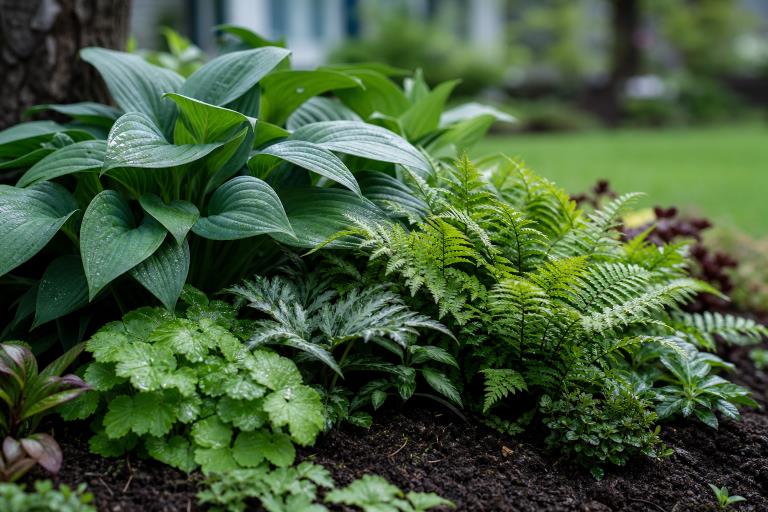
Healthy landscapes begin with the right plant in the right place. Match each selection to available sun, soil moisture, mature height and spread, and room for roots. Group plants with similar watering needs and combine trees, shrubs, perennials, grasses, and ground covers rather than relying on a single plant type.
Native plants can be part of a polished, organized landscape while also offering food and cover for local wildlife. Virginia Tech guidance on incorporating native plants can help homeowners compare choices for Piedmont conditions and different landscape purposes. Avoid plants known for aggressive spread, especially near smaller beds, paths, or neighboring properties.
Make Outdoor Areas More Comfortable in Hot Weather
Shade is often the difference between a patio that is rarely used and one that becomes part of everyday life. Established trees, new shade trees placed with mature size in mind, umbrellas, pergolas, and covered structures can all reduce direct sun exposure. Leave enough clearance around seating for people to move comfortably without stepping into planting beds.
A small patio can become much more useful with a table sized for real meals, shade during the hottest part of the day, and a simple planting border that softens the hard edge. Light-colored surfaces may feel less visually heavy in sunny areas, while durable paths can keep shoes out of mud after rain.
Plan for Water Before Planting
Drainage should be addressed before new beds, patios, or lawn repairs. Watch where downspouts discharge and where runoff moves across the property. Keep water directed away from the foundation and avoid creating low spots beside busy walkways.
Mulch helps protect bare soil and retain moisture, but it should not be piled against tree trunks or shrub stems. Where appropriate, a planted swale or rain garden can temporarily receive runoff. Plants in these areas need to tolerate both wet periods and drier intervals, a principle explained in Virginia Cooperative Extension guidance for rain garden plant selection.
Add Hardscape Features With a Clear Purpose
Paths, steps, retaining features, walls, and patios should solve a practical problem. Use paths to guide movement instead of allowing foot traffic to cut through beds. Size a patio around furniture, circulation, and any grill or storage needs. On sloped lots, retaining elements should address a genuine grade or drainage concern, not simply add another material to the design.
Keep the material palette simple. A limited combination of stone, pavers, gravel, or wood usually looks more cohesive than several unrelated finishes. Leave room for planting around hard edges so the landscape does not feel overly paved.
Use Lighting to Extend Evening Use
Start with safety. Light steps, grade changes, primary walkways, and entrances before adding decorative fixtures. Warm, low-glare lighting near a seating area can improve comfort without shining into windows or neighboring yards. Use uplighting sparingly on a distinctive tree, wall, or focal plant, and consider timers or controls to keep the lights on only when needed.
Create a Seasonal Maintenance Checklist
Spring
- Inspect paths, drainage areas, trees, and outdoor structures.
- Remove damaged branches and winter debris.
- Refresh mulch and check irrigation before warmer weather arrives.
Summer
- Water deeply when needed rather than applying frequent shallow watering.
- Keep paths clear and watch plants for heat or drought stress.
- Raise mowing height during hot, dry stretches when appropriate for the turf type.
Fall and Winter
- Clear leaves from drains, steps, and walkways.
- Plant suitable trees and shrubs while the soil is workable.
- Leave healthy seed heads in selected naturalized areas for winter texture.
- Check for storm damage and keep icy routes safe with nearby plantings in mind.
Avoid Common Planning Mistakes
- Planting trees too close to buildings, utilities, or paved surfaces.
- Selecting plants only for flower color rather than site conditions.
- Building a patio before considering furniture, shade, and circulation.
- Ignoring runoff until construction is complete.
- Using too many materials in a small space.
- Designing for one season and overlooking winter access or summer heat.
A Simple Three-Step Planning Method
Observe: Track sun, shade, drainage, wind, views, and movement. Prioritize: Identify the two or three changes that would most improve comfort. Phase: Complete work in manageable stages, beginning with drainage, access, and major structures.
Before starting, ask whether the plan will still suit changing household needs, how much weekly upkeep is realistic, where stormwater will go, and whether permits, utility checks, or neighborhood requirements apply. A well-planned Warrenton yard does not need to be elaborate. It needs durable features, suitable plants, safe routes, and enough flexibility to make outdoor living enjoyable in every season.



