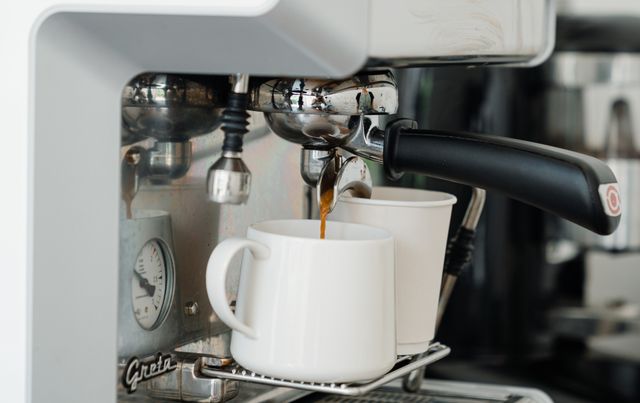
A good espresso machine can turn your kitchen into your favourite place for morning coffee. But making great espresso at home is not only about choosing quality beans or learning how to get the perfect extraction. Your machine also needs regular care. Coffee oils, milk residue, mineral deposits, and everyday use can gradually affect how an espresso machine performs. A simple maintenance routine can help keep it clean, support consistent coffee quality, and reduce unnecessary wear.
The good news is that maintenance does not have to be complicated. A few small habits after each use, combined with occasional deeper cleaning, can make looking after your espresso machine much easier.
Clean the Machine After Each Use
The easiest maintenance starts with what you do immediately after making coffee. Once you have finished brewing, remove the used coffee grounds and rinse the portafilter and basket. Running a small amount of water through the group head can also help clear away coffee residue before it has time to build up. Breville similarly recommends cleaning the portafilter, flushing the group head, and cleaning the steam wand as part of routine care.
Don’t Forget the Steam Wand
If you regularly make lattes, cappuccinos, or other milk-based drinks, the steam wand needs particular attention. Milk residue can dry quickly, so wipe the wand with a damp cloth as soon as you finish steaming. Purging the wand can also help clear milk residue from inside it. Leaving this task until later usually makes cleaning more difficult. Turning it into an automatic part of making coffee is much easier. A useful habit is simple: finish steaming, wipe the wand, purge it, and then enjoy your coffee.
Know When a Part Needs Replacing
Cleaning can solve many everyday problems, but espresso-machine components do not last forever. If a removable component becomes damaged, worn, or stops working as expected, replacing the affected part may be more practical than replacing the entire appliance. For example, Breville itself provides machine-specific replacement parts across its coffee and espresso range.
For owners searching for the best Breville coffee machine replacement parts for home espresso machines, the important first step is identifying the exact model before ordering anything. Similar-looking machines can use different components, so checking compatibility can prevent purchasing a part that does not fit. Keep the model information somewhere easy to find.
Empty and Clean the Drip Tray
The drip tray tends to be one of those areas that gets neglected since it’s tucked away out of sight, but it’s crucial to remember that this is a place that accumulates water and coffee grounds and needs to be emptied frequently. Instead of waiting until it’s full, empty it on a regular basis and make sure to wash and dry it according to the care instructions for your machine.
The same goes for other parts of the machine that can hold water or coffee grounds, including removable parts. It’s always best to err on the side of caution and do regular cleaning and maintenance to avoid unpleasant surprises later. A quick cleaning is much better than having to do a thorough one.
Pay Attention to the Water
Water is a big part of any espresso, but it’s also a big part of the maintenance for your machine. Mineral buildup can occur inside the machine, which is why descaling is such an important part of espresso-machine care. According to Breville, mineral deposits can occur in the heating elements even when using a water filter.
How often you’ll need to descale your machine will depend on a number of factors, including the model you own and the hardness of your water, so it’s best to consult the owner’s manual for the recommended schedule. If your machine has a water filter that needs to be replaced on a regular basis, make sure to do that as well. Breville recommends descaling and water-filter maintenance as two of the most important aspects of espresso-machine care.
Give It a Thorough Cleaning
While daily cleaning is important, there are times when your espresso machine requires a more thorough cleaning than usual. This might include the group head, filter basket, portafilter, water tank, grinder (on machines with built-in grinders), and other parts. Some machines also have cleaning cycles and indicators that let you know when it’s time for a deeper clean. According to Breville, their Barista Express and Barista Express Impress models have specific cleaning-cycle guidelines.
This is where the owner’s manual comes in handy, as different models will have different recommendations. It’s always best to follow the care and cleaning guidelines provided by the manufacturer rather than assuming that all espresso machines are the same.