Key Takeaways
- Smart pavement technologies integrate sensors and connectivity to monitor road conditions in real-time.
- Cool pavement coatings reflect sunlight, reducing surface temperatures and mitigating urban heat islands.
- Porous pavements improve stormwater management by allowing water to permeate through the surface.
- Artificial intelligence (AI) aids efficient pavement maintenance by analyzing road conditions and predicting necessary repairs.
Urban infrastructure faces unprecedented demands due to rapid population growth, climate pressures, and traffic congestion. In response, cities are accelerating the adoption of cutting-edge pavement technologies that increase road lifespan, enhance safety, and deliver on environmental goals. These breakthrough approaches are transforming streetscapes, reducing maintenance costs, and promoting healthy cities. For municipalities and property managers seeking to stay ahead of the curve, exploring these pavement advances is essential. Contact today to discover how these solutions can benefit your urban environment.
Many U.S. cities are piloting or deploying advanced pavement solutions that not only protect investments in streets but also serve communities by reducing heat, improving stormwater management, and using data-driven techniques for better planning. These strategies bolster urban resilience and align closely with sustainability goals, making them increasingly valuable in modern municipal planning.
Smart Pavement Technologies
Smart pavement technologies embed a range of digital sensors and connectivity systems beneath or alongside urban roads. These components gather real-time information on traffic patterns, vehicle classifications, and changing roadway conditions, providing city officials and engineers with immediate insight into how roads are being used and where vulnerabilities may arise. In Lenexa, Kansas, smart pavement panels were installed to provide actionable data, enabling the city to manage maintenance and traffic flow better. These systems form the backbone of future smart city hubs, supporting features such as traffic signal management, enhanced emergency response, and even wireless communication for autonomous vehicles.
Furthermore, these intelligent roadways can support vehicle-to-infrastructure (V2I) communication, offering enhanced navigation and safety features for both public transport operators and private vehicle drivers. By integrating with traffic management centers, smart pavements may help direct vehicles to less congested routes, reducing travel time and emissions. Enabling dynamic tolling and automated incident detection could yield significant long-term cost savings for municipal agencies and taxpayers.
Researchers and engineers continue to push innovation in this field, exploring options such as energy-harvesting roadways that convert vibrations or solar energy into electricity. As these pilot projects mature, smart pavement is poised to be a pivotal component of the shift toward truly data-driven, adaptive urban infrastructure.
Cool Pavement Coatings
Cool pavement coatings are engineered to reflect more sunlight than traditional asphalt surfaces. By using advanced materials and reflective aggregates, these coatings significantly lower pavement surface temperatures. In areas like Irvine, California, this technique is vital for tackling the urban heat island effect, which can cause city temperatures to rise dramatically above those of the surrounding countryside. By reflecting more sunlight, cities can make urban environments safer and more comfortable for people outdoors, while reducing cooling needs for nearby buildings.
Beyond thermal benefits, cool pavements may also reduce the rate of surface degradation under heat stress, lengthening their functional lifespan. This translates into lower maintenance and replacement costs while also improving air quality and public health. Some municipalities are combining cool pavement initiatives with tree planting and green infrastructure, further amplifying temperature reductions and aesthetic improvements in neighborhoods most affected by heat waves and environmental inequities.
Porous Pavements
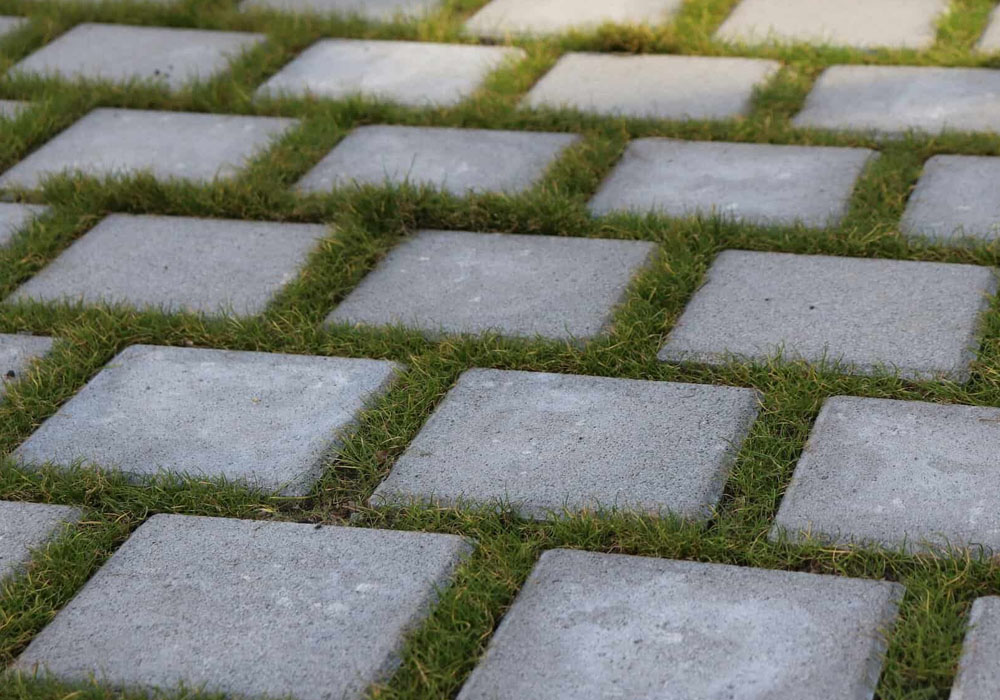
Porous pavements are transforming how cities address complex stormwater challenges. Unlike traditional pavement, which causes water to run off into drains and sewers, porous materials allow rainfall to seep through the surface and be gradually absorbed into the soil. New York City has implemented large-scale porous pavement projects to combat frequent flooding and mitigate combined sewer overflows. These pavements are crucial for improving water quality, increasing groundwater recharge, and protecting infrastructure during heavy storms. Further, permeable pavement installations have shown promise in reducing pollutants and contaminants that often accompany urban runoff, according to the Environmental Protection Agency.
Porous pavements are suitable for parking lots, sidewalks, residential streets, and low-speed roadways. Their application not only helps control flooding but also enhances urban greenery by aiding soil moisture retention. Over time, as cities grow more conscious of climate adaptation, porous pavements are expected to become an integral piece of resilient infrastructure, contributing to both urban livability and biodiversity. Maintenance is key: regular surface cleaning ensures long-term permeability and prevents clogging from debris or fine sediment.
AI in Pavement Maintenance
Artificial intelligence is playing a transformative role in urban pavement management. By leveraging machine learning algorithms and data analytics, city engineers can automate the detection of cracks, potholes, and other road defects, generating precise diagnostics quickly and with minimal human intervention. Cities like Sevierville, Tennessee, now employ AI-driven programs that analyze images and sensor data from road inspections, automatically scheduling repairs based on severity and resource availability. This proactive maintenance prevents minor issues from ballooning into major repairs, enhancing safety and optimizing municipal budgets. The integration of AI is expected to revolutionize infrastructure management nationwide, a trend highlighted by the Forbes Technology Council as a leading priority for cities.
AI-driven decision support also allows municipalities to develop long-term maintenance models that account for pavement deterioration patterns, seasonal weather impacts, and usage projections. They can prioritize repairs in high-traffic regions and contribute to equitable service delivery across diverse neighborhoods. As these AI systems connect with other smart infrastructure elements, including traffic sensors, weather stations, and emergency response networks, they will create a seamless, responsive urban operations environment where issues can be resolved before safety or usability is compromised.
Conclusion
The evolution of pavement technology is crucial for cities determined to build safe, sustainable, and resilient infrastructure. Integrating smart pavement, cool coatings, permeable surfaces, and AI-powered maintenance yields dividends in citizen wellbeing, public safety, and environmental stewardship. As urban centers plan for the future, these advanced pavement solutions will increasingly form the backbone of modern, adaptable streetscapes, shaping city life for decades to come.
Embracing these new technologies today is essential for communities intent on fostering economic vitality and environmental responsibility. Advances in pavement science not only extend the functional life and reliability of city streets but also signal a broader transition toward thoughtful and holistic urban development. By committing to innovation, cities are investing in the tools and systems that will support vibrant neighborhoods, resilient systems, and improved quality of life for all residents now and far into the future.