Heating and cooling systems that have poor airflow, damaged parts, or uneven temperatures need accurate diagnosis and repair. Finding the cause of these issues requires technical knowledge and suitable testing methods. When hiring an HVAC company, evaluate its repair methods and maintenance services to choose a contractor that fits your property’s needs. Here are a few questions to ask before hiring an HVAC company:
How Do They Handle Repairs?
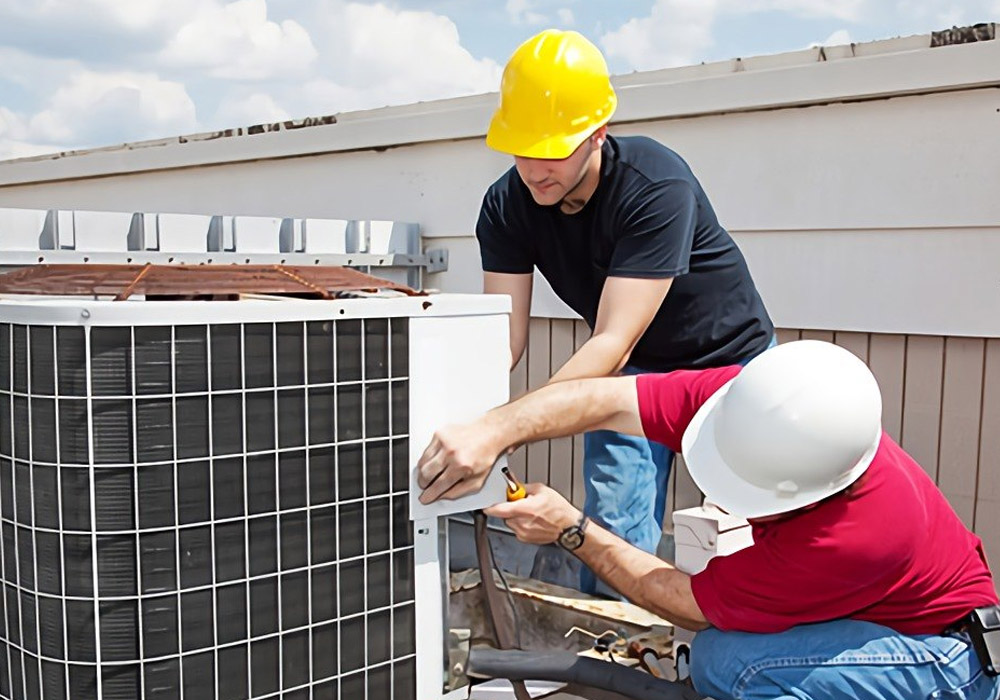
An HVAC company diagnoses equipment faults before selecting the appropriate repairs. Air conditioning problems include refrigerant leaks, compressor failures, frozen evaporator coils, restricted airflow, and electrical faults. Each issue requires appropriate testing to identify its cause. Heating diagnostics assess gas pressure, electrical connections, safety controls, and heat exchanger condition. Issues with the thermostat or restricted ductwork can also affect furnace performance; diagnostic testing helps pinpoint the problem and determine the right repair.
What Services Are Offered?
Working with an HVAC company that offers a wide range of services helps property owners manage heating, cooling, indoor air quality, and energy efficiency through one provider. Residential services include air conditioning and heating system installation. They also often involve repairs, equipment replacement, and maintenance. Commercial HVAC services offer these same solutions for business facilities.
Indoor air quality services include air filtration, air purification, ventilation, and humidity control. These solutions help reduce airborne particles and manage excess indoor moisture. Proper ventilation and moisture control can also help reduce conditions that encourage mold growth.
Weatherization and energy-efficiency services address heat transfer and unwanted air leakage in buildings. Insulation helps slow heat transfer through walls, ceilings, and floors, keeping indoor spaces warmer in winter and cooler in summer. It can also reduce the workload on heating and cooling systems by limiting how quickly indoor temperatures change.
What Happens During HVAC Installation?
HVAC installation starts with assessing a property’s heating and cooling needs to determine the right equipment size. Factors such as floor area, insulation, windows, local climate, and existing ductwork help guide equipment selection. Correct equipment sizing improves indoor comfort and reduces unnecessary energy use. A ductwork inspection helps identify problems that affect heating and cooling performance throughout a property.
Zoning may also be used where suitable to manage temperatures in different areas. After installation, technicians check the system’s operation and performance. Checks include verifying the refrigerant charge, assessing airflow, and inspecting duct connections, depending on the equipment and work performed. Technicians also explain system controls and recommended maintenance practices; this helps property owners operate their equipment correctly and maintain performance.
What Maintenance Options Exist?
Preventive HVAC maintenance helps reduce unexpected breakdowns by identifying problems that affect system operation. Cleaning the equipment and checking for wear also helps extend its service life. Home service visits may include checks of:
- Filters
- Condensate drains
- Refrigerant levels
During cooling maintenance, technicians clean the evaporator and condenser coils and check electrical parts for damage or loose connections. Dirt on the coils affects how well the system cools, while faulty connections may cause operating problems. Heating service covers the heat exchanger, safety controls, electrical connections, and airflow. Once the checks are complete, technicians recommend repairs or adjustments based on the condition of the equipment. Residential maintenance plans may include one or two heating and cooling inspections per year, depending on the plan selected.
Work With an HVAC Company
Professional HVAC services help heating and cooling systems operate efficiently and maintain indoor comfort. Technicians inspect components, test controls, and repair issues, while installation services address the needs of new or replacement systems. Detecting faults early prevents larger repairs and supports stable system performance. Contact an HVAC company to discuss the needs of your property and schedule the appropriate service.