A successful crane lift starts with the right plan before the equipment reaches the jobsite. Load weight, lift height, reach, site access, ground conditions, and crew needs all shape the plan. A clear request helps the rental team choose the right equipment and avoid delays on lift day. Here is what the process usually includes from the first call to the final lift.
First Talk and Job Details
The first talk is mainly about the work ahead. Crane rental service requests may start with the site address, lift height, load weight, and radius. These details help match the job with the right crane. Clear facts also reduce guesswork before the crew arrives.
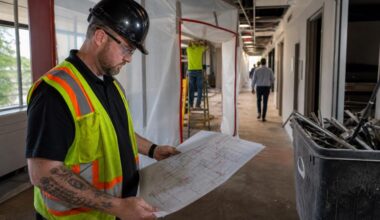
The rental team may ask about access roads, space limits, and nearby structures. Photos, drawings, or site notes can help a lot. Some projects may need a job walk before any plan is set. That early review helps keep the lift practical and safe.
Crane Type and Site Fit
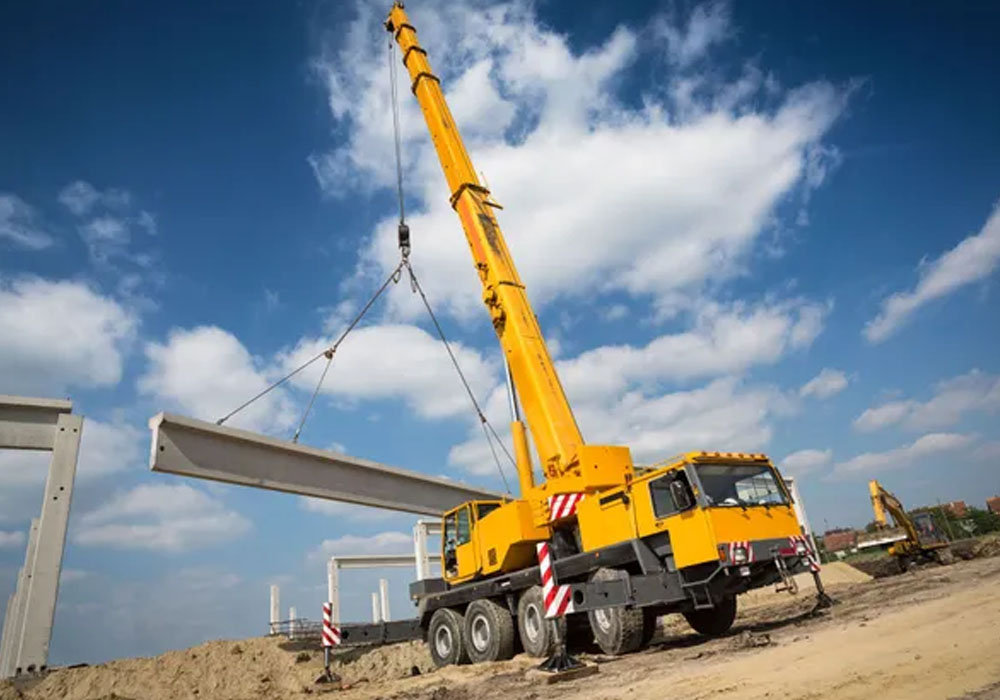
Crane choice depends on the load, reach, ground, and work area. A mobile crane may suit a short job with tight access. A crawler crane may suit heavy work on rough ground. A boom truck may work for lighter lifts and quick site needs.
It is to pick the crane that fits the lift. A smaller unit may work well if the radius is short. A larger unit may be needed when reach or load weight increases.
Rate, Crew, and Time Frame
Rental terms can vary by job length and crane type. Some projects may need hourly, daily, weekly, or monthly rates. Bare rental can appear in some cases, but it requires the right operator setup. A full crew may be best when the lift has more risk.
Useful details to ask about include:
- Minimum rental time
- Travel cost
- Operator needs
- Rigging items
- Standby rates
- Permit support
Why the Schedule Matters
A crane works best when the site is ready. Delays may come from blocked access, late materials, or unclear load data. A firm schedule helps the crew arrive with the right setup. It also helps other trades plan their part of the day.
Safety Steps Before the Lift
Safety starts before the crane reaches the site. The team may review ground support, overhead lines, wind, and load path. A lift plan may be needed for complex work. Hand signals and radio contact may also be part of the plan.
A Crane rental service should never feel like a rushed guess. The crew needs room to set outriggers, check gear, and confirm the load. Site staff should know where to stand and what areas to avoid. Good prep helps the lift feel calm and organized.
Final Check and Lift Day
On lift day, expect a short review before work starts so every person knows the plan. The operator, rigger, and site lead may confirm the load, lift path, travel route, and set-up space. Access points should stay clear for the crane, support trucks, and any crew that needs to move near the work area.
Weather can affect the plan, especially when wind, rain, soft soil, or poor ground conditions create extra risk. Some jobs may pause until the site is stable or conditions improve enough for safe work. That can feel frustrating during a tight schedule, but it helps protect people, property, and equipment. A steady lift day comes from patience, clear roles, and a final check before the crane moves.
A crane rental starts with facts, not guesswork. Load weight, lift height, radius, access, and site limits shape the plan. Cost and schedule depend on crane type, crew needs, and time on site. With clear details and a steady process, the lift can move from request to completion with less stress.