Buying a home is one of the biggest financial decisions most people will ever make, and a professional home inspection plays a vital role in that process. While attractive interiors and stylish finishes may create a positive first impression, experienced buyers know that a property’s true value lies beneath the surface.
Structural Integrity Comes First
The structural condition of a home is usually the first major concern during any inspection. Buyers want reassurance that the property has a solid foundation capable of supporting the building for years to come. Inspectors carefully assess the foundation for cracks, uneven settlement, water intrusion, and signs of movement that may indicate structural problems.
Working with Springfield Lakes real estate agencies can also provide valuable guidance on presenting a property in its best possible condition before buyers schedule inspections.
Roofing and Exterior Condition
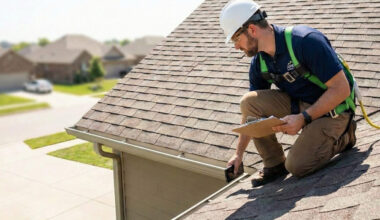
A home’s roof is one of its most important features since it protects all other elements on the property. As such, it is usually subject to close inspection by buyers, seeking to find out if shingles are worn out beyond repair, how the roof’s surface is protected against water damage, and whether flashing, gutters, downspouts, and drains are installed correctly and are in good working condition.
The home’s exterior is no less important, with brickwork, siding, render, windows, doors, and other fixtures undergoing a meticulous examination to ensure that the property is not prone to severe weather conditions. This is because cracks, water damage, rot, or even termites often mean costly repairs, and many homeowners fail to detect such issues in time.
Plumbing Systems Matter More Than Buyers Realize
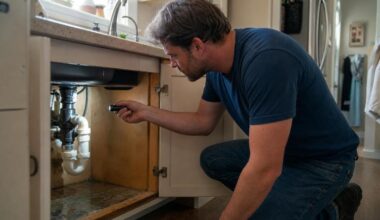
A visually attractive kitchen or bathroom means little if the plumbing system has hidden defects. During inspections, buyers expect plumbing fixtures to function correctly with adequate water pressure throughout the property.
Inspectors typically evaluate:
- Water pressure and drainage performance
- Visible pipe corrosion or leaks
- Hot water system condition
- Toilet operation
- Sink and shower drainage
- Moisture beneath sinks
- Evidence of water damage inside walls or cabinetry
Electrical Safety Is a High Priority
Electrical circuits constitute another essential section of a building inspection. After all, buyers are only going to be reassured that the wiring is up to standard and is not going to compromise their safety in the home.
Switchboards, safety switches, sockets, down-lights, the quality of the wiring itself, and overall electrical installations are checked by professional inspectors. Older properties may have electrical systems that need upgrading to satisfy modern-day standards and/or insurance companies.
Heating, Cooling, and Ventilation
Comfort frequently plays a large role in making a purchase decision, particularly in the case of areas with especially hot summers or cold winters. It is normal for buyers to assume that the heating and air conditioning systems will perform their jobs adequately and that the air inside will be of an acceptable quality.
Therefore, when a property inspector visits, they will check the air conditioning, heating, ceiling fans, exhaust fans, insulation, and ventilation in roof spaces and bathrooms. Issues in these features could lead to higher energy bills in the future, so they are especially important to look at.
Moisture, Mould, and Pest Activity
Hidden moisture problems can become expensive repairs if left untreated. Inspectors carefully search for water stains, mould growth, damp areas, and evidence of previous leaks throughout the home.
Roof cavities, basements, bathrooms, laundries, and kitchens receive particular attention because these areas commonly experience moisture-related issues. Buyers also look for signs of termite activity, wood rot, and other pest damage that may compromise structural integrity.
General Maintenance Reflects Overall Care
One of the most overlooked aspects of a home inspection is the overall state of maintenance. Most buyers base their opinion on an extensive number of minor observations made throughout the house.
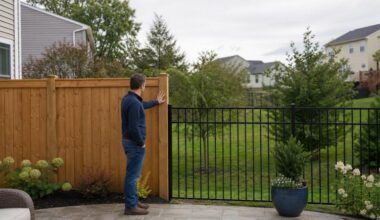
Various types of loose door knobs, non-functioning windows, chipped paint, broken tiles, damaged fences, broken light fittings, and poor lawn maintenance all contribute to the buyer’s opinion on the general state of maintenance. These individual observations, when combined, suggest there may be other maintenance issues as well.
Documentation and Transparency Build Trust
Modern buyers appreciate sellers who provide clear documentation regarding previous repairs, renovations, warranties, and maintenance records. When inspection findings can be supported with invoices or professional service records, buyers gain additional confidence in the property’s condition.
Transparency also helps prevent unnecessary disputes during negotiations. If known issues have already been professionally repaired, providing evidence often reassures buyers and speeds up the transaction process.
Final Thoughts
Home inspections are designed to provide buyers with a comprehensive understanding of a property’s condition before finalising a purchase. While cosmetic appeal remains important, structural stability, roofing, plumbing, electrical systems, moisture control, and consistent maintenance ultimately have a greater influence on purchasing decisions.