When something does not feel right, finding the cause is often the first step towards receiving appropriate care. While symptoms and physical examinations provide doctors with important information, they cannot always reveal what is happening inside the body.
Modern imaging technologies allow healthcare professionals to examine internal structures in considerable detail, often without the need for invasive procedures. As imaging technology continues to develop, doctors have access to increasingly detailed information that can help them make informed clinical decisions.
Seeing Beyond the Symptoms
Many health conditions can produce similar symptoms. Pain, swelling, weakness, or fatigue, for example, may have several possible causes. Medical imaging gives doctors another source of information to consider alongside a patient’s symptoms, medical history, physical examination, and other test results.
Instead of relying only on what can be observed externally, imaging can reveal structures and changes inside the body. Depending on the clinical situation, this may help doctors identify an injury, investigate an abnormality, or rule out certain possible causes.
Different Imaging Methods Provide Different Information
There is no single imaging method that is suitable for every medical situation. Different technologies provide different types of information, which is why a doctor may recommend a particular examination based on the area being investigated.
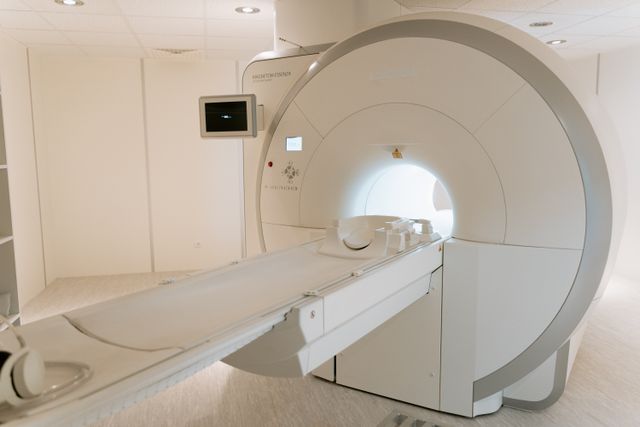
X-rays are commonly used to examine bones and certain other structures. Computed tomography, or CT, combines multiple X-ray measurements to create detailed cross-sectional images. MRI technology combines magnetic fields with radio waves to create detailed views of soft tissues within the body. Ultrasound uses high-frequency sound waves to produce images and can also show certain structures in real time. Each method has its own strengths and limitations. Selecting an appropriate imaging examination allows healthcare professionals to gather information relevant to a patient’s particular circumstances.
Imaging Can Help With Earlier Investigation
When symptoms arise, it is often important to establish their cause as early as possible. Medical imaging can help doctors investigate potential causes, rule out certain conditions, and identify areas that may require closer attention. Depending on the type of scan, it can provide valuable information about bones, organs, blood vessels, muscles, and other tissues.
If you have been referred for imaging locally, you may come across IRG radiology Wollongong for advanced diagnostic imaging as part of your search for the right clinic. Advanced imaging can offer a more detailed view of what is happening inside the body, giving doctors additional information to support clinical decisions. These insights can contribute to diagnosis, treatment planning, and ongoing care.
Greater Detail Can Support More Informed Decisions
One of the main benefits of advanced forms of imaging is the potential for increased anatomical detail some can provide. A routine examination may provide sufficient detail to address one clinical question but further detail may be required for another. CT can provide exceptionally good images and can sometimes identify features that might not be seen on other forms of imaging. MRI has exceptional detail in some soft tissues.
The extra detail can help provide a more precise understanding of the clinical problem, potentially aiding investigations and/or providing reassurance around management options including further referral or treatment. It is also important to note that imaging should be considered as an adjunct to clinical assessment rather than a replacement for it.
Medical Imaging Can Support Treatment Planning
The role of imaging is not necessarily complete once a diagnosis has been made. Your doctor may use the information gleaned from imaging to determine which treatment is most appropriate. For example, being able to precisely define the margins of an abnormality can be used to determine the extent of disease and/or help plan surgical interventions. Imaging can also aid in minimally invasive procedures by guiding doctors through a process called interventional radiology. Thus, radiology plays a role both in diagnosis and in treatment, beyond the simple ability to see what is happening inside the body. This makes imaging a key component of many aspects of health care.
Monitoring Changes Over Time
Sometimes, it is necessary to monitor a medical concern over time.Further imaging can allow doctors to see how things have changed since the last examination. Where appropriate, these can be used to make judgments about how far a condition has progressed, what effect different treatments are having, or if there are other factors that may need to be taken into account. Information from comparable imaging can provide objective evidence in addition to clinical examinations and symptoms. The frequency of these examinations and the most appropriate way to perform them will be determined on an individual basis by the clinicians managing the case.