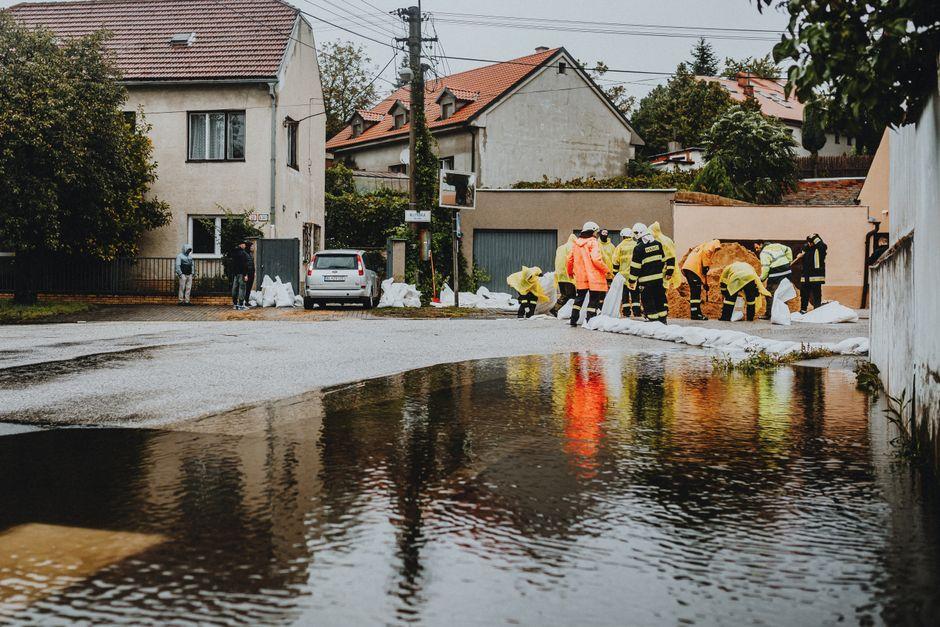
Simple yards can become frustrating fast when water has nowhere to go. A patch of grass turns muddy, a walkway stays slick, and the whole space feels harder to enjoy. In places like Bloomingdale, where rain can arrive in a hurry, small drainage issues often show up before homeowners expect them. The good news is that you do not need an engineering degree to understand the basics. Once you know what causes wet spots, you can make smarter decisions about keeping your yard cleaner, safer, and easier to maintain.
Why Water Collects
If your yard stays wet long after a storm, water is usually following the shape of the land and settling in the lowest spot. That sounds simple because it is. Even a slight slope toward your house, patio, or lawn corner can create a recurring mess.
Another common cause is compacted soil. When soil gets packed down, rain cannot soak in very well. Instead, it sits on top or runs across the surface. If this keeps happening, many homeowners start looking into yard drainage in Bloomingdale to address the root cause rather than just waiting for the yard to dry out.
Blocked flow paths also matter. Leaves, mulch, and overgrown edges can stop water from moving naturally. Add a short downspout that empties near the house, and you have a recipe for puddles. In many cases, the issue is not one dramatic flaw. It is several small conditions working together.
Signs To Notice Early
Drainage problems rarely begin with a giant swamp in your backyard. More often, they start with clues that seem minor at first. A soft patch of lawn after every rain is one of the earliest signs. If the same area stays squishy while the rest of the yard dries, pay attention.
You may also notice grass thinning out or turning yellow in spots. Too much water can stress roots just as much as too little. Mulch that washes out of beds is another giveaway. Water has force, and it tends to leave a trail.
Watch for these signs around your home:
- Standing water that lasts more than a day
- Soil erosion near beds or walkways
- Damp areas along the foundation
- Mosquitoes hovering around low spots
- Water marks on patios or paved edges
These details are easy to overlook until they become expensive. Spotting them early gives you more options and usually lowers the cost and effort of fixing the issue.
Problem Areas Around Homes
Some parts of a yard are more likely to struggle with drainage than others. Downspout outlets are near the top of the list. If roof runoff dumps into one small area, the ground can become saturated quickly. You might not notice the pattern until a heavy rain leaves a muddy trench.
Patios and walkways can also create trouble. Hard surfaces do not absorb water, so runoff moves faster and ends up somewhere nearby. If the surrounding soil is low, that is where the water will settle. The same thing can happen along fences, especially where grading traps water instead of letting it flow out.
Garden beds and lawn corners are frequent problem spots too. Beds often sit lower than the rest of the yard, and decorative borders can unintentionally hold water in place. A shaded side yard may look harmless, yet it often dries much slower than sunny areas.
The main idea is straightforward. Water always responds to layout. When you look at your yard through that lens, hidden trouble spots become much easier to understand.
Easy Fixes That Help
You do not always need a major project to improve drainage. Sometimes a few basic changes make a noticeable difference. Start by clearing leaves, branches, and heavy mulch buildup from places where water should move freely. It is a small task, but it often helps more than people expect.
Next, check your downspouts. If they release water too close to the house, extending them can redirect a large amount of runoff. This is one of the simplest ways to reduce soggy ground near the foundation.
You can also fill shallow low spots with suitable soil and regrade them gently so water moves away instead of settling. Keep the adjustment modest and consistent. Random mounds rarely help and often create a mowing headache.
A few practical ideas include:
- Refreshing compacted soil in worn areas
- Choosing plants that tolerate damp conditions
- Reshaping mulch beds to prevent washout
- Keeping edging from trapping runoff
These steps will not solve every yard issue, but they are sensible first moves. They also help you learn whether the problem is minor or something more persistent.
When Professional Help Makes Sense
There is a point where basic upkeep stops being enough. If your yard floods after every serious rain, the issue is probably more than surface clutter or a low patch of soil. Repeated pooling often signals a grading problem, overwhelmed runoff paths, or water being directed into the wrong place.
You should take recurring erosion seriously, especially if it is happening near the house, patio, or retaining features. Soil loss is not just unattractive. It can affect stability over time and lead to repairs that are far less simple than lawn work.
Professional help is also worth considering when:
- Water reaches the foundation area
- Puddles form near paved surfaces repeatedly
- Parts of the yard stay wet for days
- Prior DIY fixes have not worked
A thorough evaluation can save you from repeating temporary fixes year after year. It also helps you avoid solving one wet area by accidentally sending water into another. That kind of tradeoff is surprisingly common, and it rarely ends well.
How To Keep It Working
Once your yard drains better, maintenance becomes the key to keeping it that way. The goal is not constant work. It is consistent observation. A quick look after a storm can tell you a lot about where water is moving and whether anything has changed.
Keep gutters and downspouts clear so roof runoff does not overflow in the wrong places. Check low areas each season, especially after periods of heavy rain. If you add a garden bed, pathway, or patio, think about how that change might affect water flow. Landscaping updates can be helpful, but they can also shift the problem.
Simple habits matter most:
- Remove debris from drainage paths
- Watch for new erosion or settling
- Inspect mulch movement after storms
- Monitor wet spots near structures
A dry, usable yard usually comes from steady attention rather than one perfect fix. If you stay aware of how water behaves on your property, you will be in a much stronger position to keep muddy problems from returning.