Key Takeaways
- Drafty windows and increased energy bills often point to failing seals and structural issues.
- Condensation between panes signals a loss of insulation that affects comfort and energy use.
- Visible damage, difficulty operating, and excessive noise are clear indicators that replacement is necessary.
- New windows can enhance aesthetics, block harmful UV rays, and add property value.
Windows play a vital role in your home’s comfort, energy efficiency, and curb appeal. As windows age, they may begin to underperform, causing not only discomfort but an increase in energy bills and a negative effect on your home’s value. Recognizing when your windows need replacing helps you maintain a healthy, beautiful, and cost-efficient home. If you’ve ever considered bay and bow windows to elevate your interior and exterior, knowing the right time to upgrade can make all the difference.
Failing windows are often overlooked until drafts, leaks, or visible deterioration force a replacement. These issues can diminish comfort, lead to structural problems, and compromise your home’s safety. Being proactive helps ensure your family enjoys a comfortable environment, secure protection from the elements, and real savings over time.
Replacing outdated windows not only improves energy efficiency but also instantly modernizes your home’s look. Noticeable drafts, rising energy expenses, or fading furniture are all signs that your windows may not be protecting as effectively as you think. Check for physical damage and pay attention to how easily windows open, close, and lock, as this can impact both security and emergency egress.
Outdated windows also lack today’s noise-reduction and ultraviolet protection technologies. Improved window products deliver substantial benefits well beyond savings on your monthly bills.
1. Drafts and Air Leaks
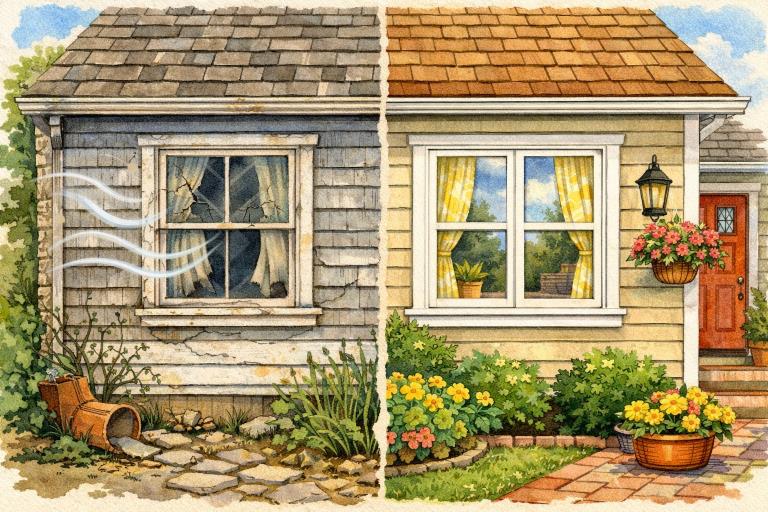
If you notice an unmistakable breeze near closed windows, this often signals air leaks. Common causes include worn-down seals and aging frames. The Energy Star estimates that up to 30% of residential heating and cooling is lost through inefficient windows, forcing your HVAC system to work harder and driving up monthly utility costs. Resolving drafts by replacing windows helps stabilize indoor temperatures and saves money year-round.
2. Difficulty Opening, Closing, or Locking
Windows should function smoothly, opening and shutting with minimal effort. If lifting or sliding is difficult, or if locking mechanisms have failed, this could point to warped components or frame imbalance. Such issues not only compromise security but also hinder proper ventilation and may even pose a safety risk during emergencies.
3. Condensation Between Glass Panes
Persistent moisture or fogging between windowpanes is a classic sign of seal failure. When seals break down, insulating gases escape, leading to diminished energy performance. This not only impairs visibility but also fosters mold, mildew, and further window deterioration if ignored.
4. Visible Damage or Decay
Cracked glass, chipped paint, wood rot, and frame warping are all physical signs that your windows are at the end of their useful life. Weather exposure, age, and neglect accelerate these problems, eventually leading to compromised structure and appearance. Regular inspection keeps minor issues from escalating, though replacement is often inevitable when significant deterioration is present.
5. Increased Energy Bills
Escalating costs for heating and air conditioning are frequently linked to failing window seals and inefficient glass technology. Modern window replacements drastically reduce unwanted heat loss and gain, maintaining a more stable interior temperature and helping your HVAC system operate efficiently. Homeowners typically see significant savings following the update of old, leaky windows.
6. Excessive Noise Pollution
If street sounds or neighborhood noise have become increasingly noticeable indoors, your windows might not be providing sufficient sound insulation. Upgrading to double- or triple-pane designs that feature sound-dampening materials improves indoor peace and comfort, especially in densely populated areas.
7. Fading Furniture and Flooring
Older windows lack the protective coatings necessary to block ultraviolet rays effectively. Over time, UV exposure will discolor, fade, and weaken interior furnishings and flooring. Many newer windows come standard with treatments that protect what is inside your home, reducing sun damage and preserving your investment in décor.
8. Outdated Appearance
Windows contribute dramatically to your home’s overall appearance. Outdated, mismatched, or poorly maintained windows can detract from architectural style and lower property value. Installing modern window options, which include a variety of frame designs and enhanced energy performance, boosts curb appeal and refreshes your home’s exterior instantly.
Paying attention to these eight warning signs helps you make informed decisions about window replacement. Acting sooner rather than later can prevent additional complications, improve your daily comfort, and increase the value and efficiency of your home.
In addition to the practical benefits of window replacement, consider the opportunities for customization and design flexibility that new windows offer. Homeowners today have access to a broad range of window types, from casement to double-hung and specialty shapes. Advanced window technologies offer features such as built-in blinds, easy-clean glass, and various tints and finishes to complement your specific preferences. Not only can you address underlying issues like drafts and leaks, but you can also reimagine your living space with increased natural lighting, a better view, and improved connection to the outdoors.
Replacing your windows is also an ideal time to think about the overall integrity of your home. For example, high-performance windows support more consistent humidity control, which protects your investment in flooring, furniture, and even electronics. By significantly reducing outdoor air infiltration and improving insulation, you contribute to a quieter, safer, and healthier interior for your loved ones. Investing in new windows is an investment in the long-term durability and comfort of your property.
Another often-overlooked benefit is the positive environmental impact. Energy-efficient window replacements reduce your home’s carbon footprint by limiting wasted heating and cooling energy. This proactive measure, combined with regular attention to window performance, proves wise for responsible homeowners committed to sustainability and resource conservation. With so many options and advantages available, evaluating your current windows and recognizing these signs will set you on the path toward a brighter, more comfortable, and more efficient home environment.