Key Takeaways
- Regular maintenance and inspection of fire protection systems are crucial for compliance and safety.
- Adherence to updated fire safety regulations is essential to avoid legal and financial repercussions.
- Employee training and emergency preparedness significantly enhance fire safety measures.
Ensuring fire safety in commercial buildings is more than just a regulatory obligation. It is essential for protecting lives, business assets, and operations. In today’s corporate environment, robust fire safety protocols can mean the difference between minor incidents and catastrophic loss. Working closely with experienced restoration personnel can significantly enhance a building’s safety profile, ensuring preparedness before, during, and after an emergency event.
For business owners and facility managers, investing time and resources into comprehensive fire safety measures creates a secure environment for both employees and guests. Beyond legal compliance, a proactive approach to fire safety enhances overall operational resilience, reduces business downtime, and builds stakeholder trust.
Proper risk assessments, clearly posted evacuation routes, and well-maintained equipment are all integral to a well-designed fire safety plan. Preparedness also helps minimize unexpected shutdowns and financial loss, enhancing business continuity. Pairing fire safety with other emergency services such as emergency water restoration provides businesses with full-spectrum protection against the most common sources of property damage.
Statistics show that a lack of fire safety protocols can result in devastating consequences. As reported by the National Fire Protection Association, thousands of non-residential fires result in significant financial and structural loss annually. Thus, prioritizing fire safety is not optional; it is vital for every commercial property.
Importance of Fire Safety in Commercial Buildings
Fire incidents in commercial properties frequently result in substantial risks to human life and business assets. According to reports from the U.S. Fire Administration, fire departments responded to well over 100,000 fires in non-residential structures in 2022 alone, with total property losses exceeding $3 billion. Even a small fire can have lasting impacts, necessitating expensive repairs, prolonged business disruption, and reputational harm. Businesses that prioritize fire safety are better positioned to recover quickly, limit losses, and protect their workforce.
Regulatory Compliance and Recent Updates
Compliance with fire safety codes is mandatory across the United States, and these regulations are periodically updated to reflect technological advancements and new risks. The 2025 update to the NFPA 72 standard introduces new requirements for wireless fire detection systems, making it imperative for facility managers and property owners to stay informed about evolving obligations. Non-compliance can result in severe legal penalties and, more importantly, compromised safety. Staying up to date is best practice for both liability protection and overall hazard reduction.
Essential Fire Protection Systems
Equipping a facility with the right fire protection systems forms the foundation of effective fire safety. These systems typically include:
- Fire Alarms:Designed to detect smoke or heat and provide early warning to occupants.
- Sprinkler Systems:These automatic systems deploy water in response to detected heat, helping control or extinguish flames.
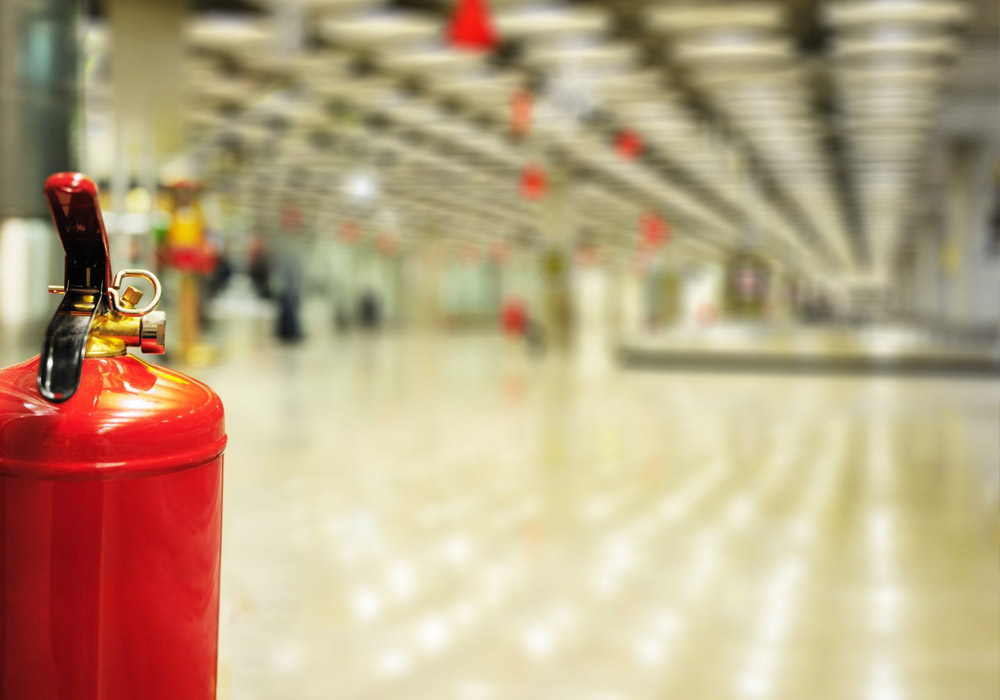
- Fire Extinguishers:Portable and accessible, these allow for immediate response to contain small fires before they grow.
- Emergency Lighting:Illuminates evacuation routes and helps ensure safe exits during emergencies when visibility may be compromised.
Regular Maintenance and Inspections
Routine inspections and maintenance are essential to ensure all fire protection equipment works as intended. In many cities, noncompliance with fire equipment maintenance in commercial buildings remains alarmingly high. For instance, a citywide inspection in Cleveland revealed that nearly half of commercial properties failed to maintain their fire systems adequately. Regular checks, system testing, and detailed documentation are all necessary to meet both regulatory and insurance requirements. Facilities managers should work with professional service providers to conduct these inspections and keep accurate maintenance logs.
Employee Training and Emergency Preparedness
Even the best fire safety systems require human support. Effective employee training ensures that every member of staff knows how to respond during a fire emergency. Regular fire drills, use of fire extinguishers, and clear emergency communication plans are foundational elements. Employees should be educated on evacuation routes and know the locations of exits and fire extinguishers. Managers should also frequently establish and practice emergency protocols so that all personnel remain confident and prepared for any fire-related incident.
Case Studies: Lessons from Recent Incidents
Case studies from recent events emphasize the need for continuous fire preparedness. For example, a massive warehouse fire in Tracy, California, in 2023 highlighted gaps in fire safety compliance and underscored the importance of regular audits and updated protocols. These incidents serve as reminders that fire risks are an ongoing challenge requiring persistent attention, updated technology, and staff participation in safety programs. Learning from past events helps businesses avoid repeating costly mistakes and improve their own safety strategies.
Conclusion
Effective fire safety in commercial buildings demands a combination of up-to-date technology, regulatory compliance, regular maintenance, and dedicated employee training. By adopting a multi-faceted approach and working closely with professionals, businesses can protect their people, assets, and future growth. Regular review and proactive investment in fire safety measures foster greater resilience, security, and peace of mind for all involved.