Rural homes and farms often rely on septic systems because sewer lines are distant. These systems hold and treat wastewater on the property, so removal matters. Septic trucks collect the material for transport to an approved facility. This article explains why this matters for rural wastewater control.
Remove Waste Before Problems Start
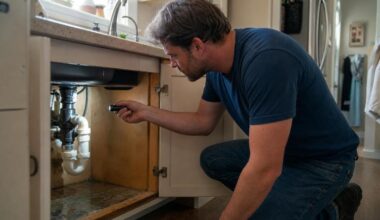
Septic tanks store solids left after wastewater moves through the system. During early service planning, a property manager might get a quote from Keevac, for instance, as one reference point for truck capacity and rural access needs. If solids rise too high, they can clog pipes and reduce capacity. Timely pump service helps with reliable flow and protects nearby soil.
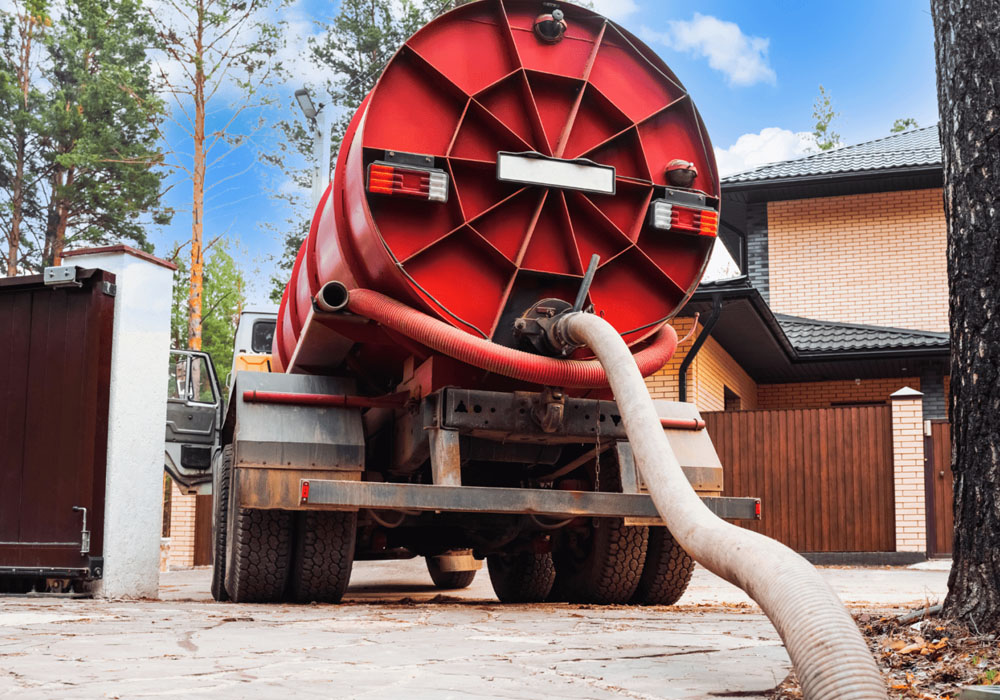
A septic truck uses a vacuum pump, hose, and sealed tank to remove waste. The operator can reach tanks behind homes or barns. Truck size, hose length, and ground access affect the job. A site check helps match the vehicle to local conditions.
Protect Wells and Rural Groundwater
Private wells make wastewater control important in remote areas. A damaged or full septic tank can release untreated waste into nearby ground. That waste may carry bacteria, nutrients, and harmful material. Routine removal aids efforts to keep water sources separate from septic discharge.
Truck operators transport collected waste in a closed tank. Secure transport reduces spills between the property and disposal site. Local rules may set standards for records and disposal points. Clear documentation supports responsible service across a rural district.
Reach Sites with Limited Access
Rural properties can include narrow lanes, soft soil, steep grades, or low branches. These features may limit where a large truck can park. A longer hose can reach the tank while the vehicle stays on firm ground. Route checks also prevent damage to gates, yards, and farm roads.
Details to Share Before Service
- Tank location and estimated capacity
- Distance from firm road access
- Gate width and overhead clearance
- Recent rain or soft ground conditions
Accurate details help the provider select equipment. They may also reduce delays on arrival. Clear access around the tank lid supports safe hose placement. People and animals should stay away from the work zone.
Support Routine Septic Service
Pump frequency depends on tank size, household use, solids, and system condition. A fixed schedule may not suit every rural property. Inspection records can show waste levels and service timing. This approach may help improve decisions and reduce emergency calls.
Contractors on remote routes must plan fuel, travel, and disposal time. For example, they may get a quote from Keevac while assessing a truck for rural routes. Tank capacity affects how many stops fit within one trip. A practical route plan keeps service steady within legal limits.
Handle Waste Through Approved Channels
Septic waste cannot be emptied onto fields, drains, or open ground without approval. It must go to a facility or site allowed under local rules. Septic trucks make controlled transport possible from isolated properties. Sealed tanks and discharge valves help contain the load until disposal.
Operators must inspect pumps, hoses, valves, and tank seals before use. Protective equipment and clear work zones remain essential. Service records should note the source, volume, and disposal destination. These steps support accountability from collection through final treatment.
A full septic tank can affect drains, soil, wells, and nearby property. Septic trucks remove that waste and carry it to an approved site. For rural areas, this service is a practical part of basic wastewater control. Regular removal keeps the system usable and reduces the chance of a costly failure.