A restless night can leave a large dog tired, stiff, and uncomfortable the next day. Many owners notice their dog pacing, changing positions, or waking up several times instead of enjoying deep sleep. Poor rest can affect mood, recovery, and daily activity, especially for senior dogs and giant breeds. This guide explains practical ways to improve your dog’s sleep through the right sleeping space, healthy bedtime habits, and bedding choices that provide lasting comfort and joint support.
Choose the Right Sleeping Space
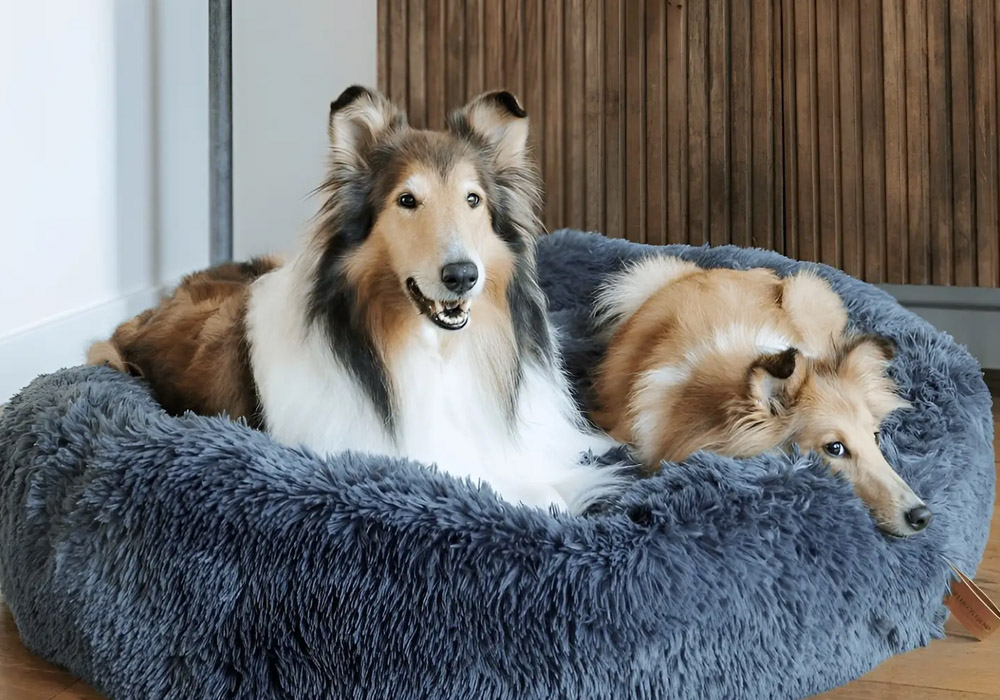
A comfortable sleeping area is the foundation of quality rest. Dog beds for large dogs should provide enough room for full-body stretching while supporting pressure points around the hips, shoulders, and spine. Thin cushions may flatten quickly under heavier breeds, causing discomfort after several hours. A quiet location away from household traffic also helps dogs settle faster because they are less likely to wake from sudden movement or noise. Keeping the sleeping area clean and dry adds another layer of comfort.
Build a Consistent Bedtime Routine
Dogs thrive on routines because they know what to expect. A predictable evening schedule helps the body prepare for sleep and encourages longer periods of uninterrupted rest.
- Take a gentle walk after dinner instead of intense exercise.
- Offer fresh water without encouraging excessive drinking right before bed.
- Keep lights dim and reduce loud television or music.
- Give your dog a few quiet minutes to settle before bedtime.
Consistency helps dogs develop predictable sleep patterns. Following the same routine each evening can make it easier for large dogs to settle down and sleep through the night.
Address Health and Environmental Factors
Several factors can interrupt sleep, even with a comfortable bed. Arthritis, allergies, anxiety, or room temperature may keep a dog awake. Warm weather can cause heavy panting, while cold floors may increase joint stiffness. Veterinary professionals commonly recommend supportive orthopedic bedding for large-breed dogs that experience joint stress or age-related stiffness.
Watch for these signs:
- Frequent position changes
- Heavy panting indoors
- Limping after sleep
- Excessive scratching or licking
- Difficulty standing in the morning
Persistent symptoms deserve a veterinary evaluation to identify the cause and recommend appropriate care.
Select a Supportive Bed
Support matters as much as size. High-density memory foam support helps distribute weight evenly, improves pressure relief, and reduces stress on sensitive joints. When comparing dog beds for large dogs , choose a size that allows your dog to stretch naturally while looking for washable covers and durable materials that hold their shape. These features help maintain comfort for growing dogs, senior dogs, and giant breeds over years of daily use.
Common Mistakes to Avoid When Buying a Dog Bed
Buying the largest or least expensive bed does not always provide the right support. A bed that is too small limits natural sleeping positions, while low-quality filling may flatten quickly and reduce comfort. Compare orthopedic foam, construction quality, washable covers, and durability before making a decision. Focusing on long-term joint support instead of appearance helps create a sleeping space that continues to meet your dog’s needs as it ages.
Quality sleep depends on the right combination of comfort, support, and healthy daily habits. A well-designed bed, a calm sleeping environment, and attention to health concerns can improve mobility, recovery, and overall well-being while helping large dogs wake up refreshed. Small improvements made today can support healthier, more comfortable nights for years to come.