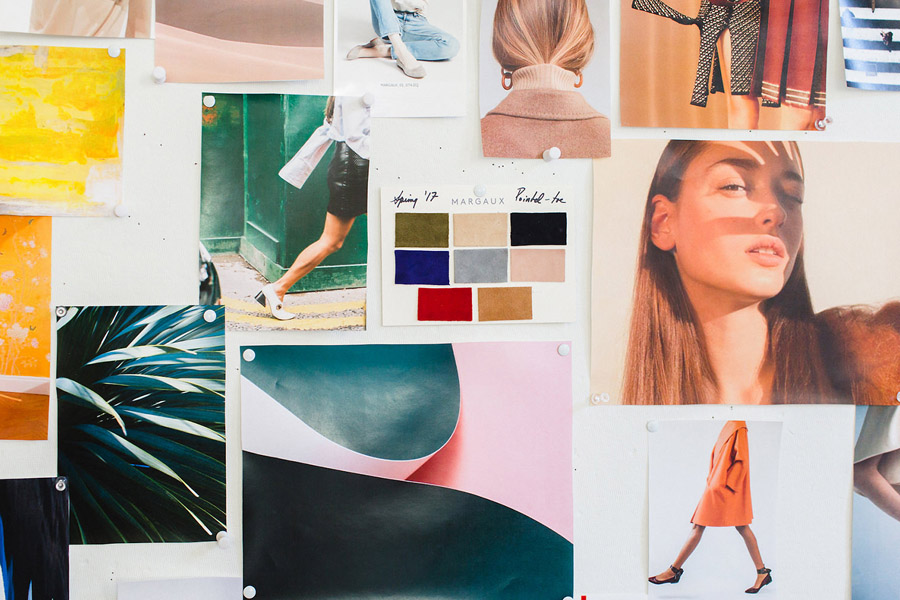
Moodboards are foundational for visual storytelling across the design spectrum. Acting as a visual blueprint, they unite all project stakeholders and set the creative compass for the work ahead. Whether you are establishing the tone of a new brand, mapping out an interior space, or pitching a fashion collection, a well-crafted moodboard ensures every idea is seen, shared, and understood. Modern creative teams often turn to digital solutions like a moodboard maker to produce and iterate their boards quickly, enabling seamless alignment with clients and collaborators.
Moodboards are visual tools that encapsulate the intended style and atmosphere of a project, aiding in brainstorming and decision-making by merging colors, images, textures, and typefaces. They are essential in various fields, including design, advertising, event planning, and personal projects, consolidating inspiration into a coherent vision. The advent of technology has enhanced moodboarding, enabling real-time collaboration and AI-assisted features, making them vital for creative teams.
What Are Moodboards?
A moodboard is more than a collage; it is a meticulously curated collection of graphics, patterns, palettes, fonts, and material swatches. Each element on a moodboard has a role, contributing to the broader ambiance or brand essence the designer aims to capture. This format converts ambiguous feelings and concepts into concrete references, bridging the gap between inspiration and execution.
Importance in the Design Process
The earliest phases of a design project can be the most nebulous, as clients, designers, and marketers try to visualize outcomes that only exist in their minds. Moodboards help anchor these early discussions by providing:
- Clear visual direction—reducing ambiguity and promoting consensus from the outset.
- Streamlined communication—ensuring every party involved is aligned, which saves time and resources on revisions later.
- Protection against misinterpretation—turning individual perspectives into a shared reality.
This alignment leads to smoother collaboration, less rework, and projects that stay true to their initial vision.
Creating Effective Moodboards
An effective moodboard does not happen by chance, but through focused intent and careful assembly. Here are the key steps:
- Define Project Objectives:Grasp the goals, values, and target audience before diving into visuals.
- Curate Diverse Inspiration:Pull images, color schemes, and even sounds or words that relate to your intended style or message.
- Structure and Synthesize:Organize assets cohesively, making sure each supports the narrative and purpose.
- Iterate and Solicit Feedback:Share drafts with colleagues and clients, and adjust the board to reflect their shared input and priorities.
Great moodboards strike a balance between structure and inspiration, serving as both guide and springboard for creative energy.
Digital Tools and AI Integration
The shift from physical pinboards to digital platforms has dramatically expanded the utility of moodboards. Innovative apps make it easy to drag and drop and rearrange ideas in real time, opening the door to remote teamwork and on-the-fly adaptation. AI-driven platforms now generate moodboards from keywords or inspiration, automatically highlighting related visuals and themes. This technology saves time and inspires new creative directions, allowing users to explore many variations in minutes.
Digital moodboarding platforms can also archive past versions for review or legal documentation, further increasing their professionalism and versatility.
Real-World Applications
Moodboards have permeated every creative industry, supporting professionals as they turn concepts into reality:
- Interior Design:Moodboards help visualize spatial layouts, color stories, lighting concepts, and materials before physical work begins, reducing surprises during implementation.
- Fashion Design:Designers present their inspirations for seasonal collections with boards that showcase fabrics, cuts, colorways, and reference art, providing clarity for entire creative teams.
- Branding:Marketing agencies rely on moodboarding to unify brand identity by harmonizing logos, color schemes, and visual motifs. These elements serve as pillars for marketing campaigns and visual merchandising.
Conclusion
Moodboards are unparalleled in translating ideas into actionable design plans. Their visual nature breaks down creative barriers, inspires inventive solutions, and keeps teams moving towards a common target. By leveraging both hands-on and digital techniques, including AI features and collaborative online workspaces, designers can communicate, innovate, and deliver more effectively than ever.