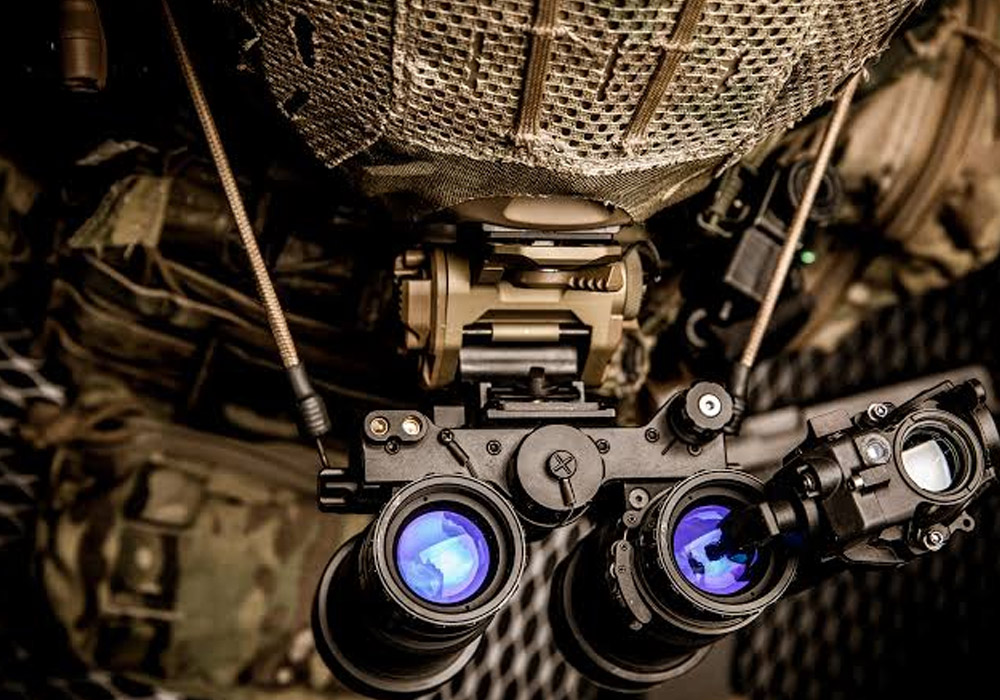
Night vision technology has moved from a military specialty into mainstream law enforcement operations over the past decade, driven by falling equipment costs, expanded LESO program access to military surplus, and a growing understanding within the law enforcement community of what the technology enables tactically.
The implications of this shift — for both operational effectiveness and officer safety — are significant and worth understanding in context.
Why Darkness Matters Tactically
A significant proportion of violent crime occurs during darkness or low-light conditions. Officers responding to these situations face a fundamental disadvantage: their use of visible-light flashlights and vehicle-mounted lights announce their position and potentially compromise tactical surprise.
Night vision technology inverts this dynamic. Officers equipped with night vision can operate in darkness without light discipline violations, identify and assess threats before announcing their presence, and navigate environments that otherwise require artificial illumination that reveals their position.
White Phosphor and Its Operational Advantages
Traditional night vision tubes produce a green image — the result of green phosphor in the image intensifier. White phosphor night vision goggles use a different phosphor coating that produces a black-and-white image rather than green. For extended operational use, many law enforcement users find white phosphor easier on the eyes, producing less fatigue during prolonged wear.
More practically, the contrast characteristics of white phosphor images tend to be perceived as slightly more natural by users transitioning from conventional vision, which can reduce acclimation time and improve threat discrimination performance. These are marginal but real advantages in applications where the equipment will be used for extended periods by diverse teams.
Training as the Critical Variable
Equipment quality is only one component of operational night vision capability. How well trained the individuals using it are is at least as important. Night vision fundamentally changes visual perception, depth perception, and field of view — all factors that affect how operators navigate, identify threats, and make use-of-force decisions.
Law enforcement agencies integrating night vision into tactical operations invest heavily in training that is specific to operating with the equipment — not just familiarity with the device itself, but scenario-based training in the specific operational contexts where it will be deployed.
Integration With Weapon Systems and Other Equipment
Night vision goggles create a need for compatible weapon-mounted aiming devices — specifically infrared lasers that are visible through night vision but invisible to the naked eye. The integration of NVG-compatible aiming systems, infrared illuminators for low-ambient-light environments, and night-vision-compatible flashlights for transitional environments requires systematic equipment planning that goes beyond simply acquiring goggles.
Departments deploying night vision need to think in systems — what goes on the individual officer from head to weapon — rather than as individual equipment acquisitions.
The Accountability Framework
The capabilities that night vision provides also create accountability considerations. Operations conducted in darkness have different documentation and oversight requirements. The same technologies that create capability — body-worn cameras, for instance — may have different performance characteristics in low-light environments, requiring deliberate configuration to ensure adequate documentation of operations.
Departments deploying night vision technology responsibly integrate its use into their use-of-force policies, training requirements, and operational documentation frameworks, not just their equipment procurement programs.
Wrapping Up
Night vision technology in law enforcement is a genuine capability multiplier — but only when deployed with adequate training, proper system integration, and appropriate policy frameworks. Agencies that approach it systematically get substantial operational and safety benefits. Those that treat it as just another equipment purchase often realize less than its full potential.
Frequently Asked Questions
What’s the LESO program and how does it work for law enforcement?
The Law Enforcement Support Office (LESO) program, sometimes called the 1033 program, allows local law enforcement agencies to acquire surplus military equipment at no cost beyond administrative fees. Night vision devices have been transferred through this program. Eligibility and availability vary; agencies interested in the program should contact their state coordinator.
Are there documented cases where night vision improved law enforcement outcomes?
Yes — agencies that have systematically deployed and trained with night vision technology have reported improvements in tactical outcomes in relevant operational contexts. Published outcome data is limited for operational security reasons, but the tactical logic is well-established from military experience and the operational rationale is clear.