Designing a home that is appropriate for all of the seasons is a crucial factor when trying to make a home more comfortable for its inhabitants. If the home is not designed with weather in mind, then the inhabitants will not be able to be as comfortable in their home. They will not be able to live in their home in the same manner as other households. Some of the ways in which the seasons affect a home include how comfortable the home is, the maintenance the home requires, and how the people living in the home go about their daily routines.
By planning your home’s design with all four seasons in mind, you can be creating a home that will function efficiently and last for years to come while remaining very enjoyable to live in throughout the year.
Start With the Local Climate
The climate in which a home will reside should greatly influence the home’s design. Elements of climate include temperature, precipitation, snow, humidity, and wind. These are several aspects to take into consideration when designing a home, such as the roof’s style and height, drainage around the home’s exterior, the amount of insulation within the walls, and more.
For homeowners in Pennsylvania, seasonal variation can play a large role in how your home is designed. In the winter, your home will be subjected to freezing temperatures and possible snow fall, while in the summer, your home can be hot and humid. For example, a custom home designer in PA can help design your home to work throughout the seasons while being energy efficient.
By working with a custom home designer that has experience building homes throughout the PA climate, he or she will make design decisions that take into consideration many of the above items to create the best-designed home possible for every season of the year.
Make Energy Efficiency a Priority
The interior of a home designed to work well in every season should maintain a constant interior temperature so that the heating and cooling systems are not used too frequently. Insulation is a key consideration to keep heat from escaping in the winter and heat from entering in the summer. Energy-efficient windows as well as well-sealed doors will also help to keep a constant interior temperature by preventing cold air from entering through cracks around windows and doors.
To keep your home cool in the summer and warm in the winter, it is important to make sure that your home is well-insulated. The type of windows that you have in your home can also be a factor in how cool or warm your home is. Also, it is very important to make sure that all of the doors and windows in your home are well-sealed to help prevent any cold air from entering your home.
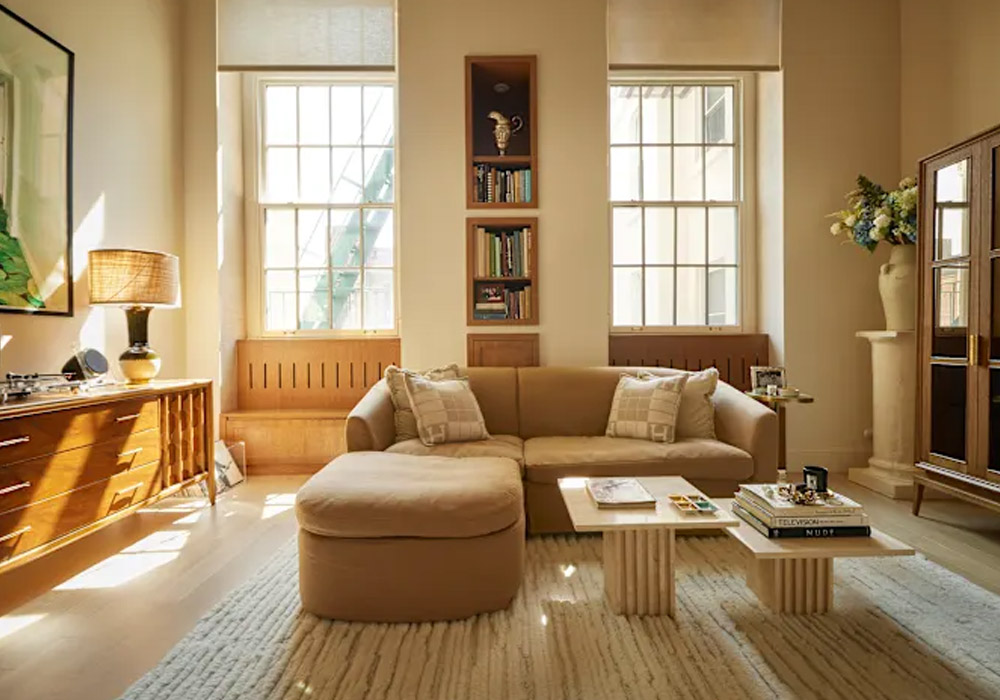
Also important to consider is where in relation to the lot the home will be situated. Proper window placement to bring in natural light in the cold months and to block out heat in the warmer months can add energy efficiency to a home as well. The roof overhang, as well as permanent and seasonal shades and the proper landscaping, can aid in keeping the sun out of certain areas of the home.
Create Practical Entry Areas
Your front door is typically where people come into your home with the most amount of “stuff” from outside, whether it be wet from rain, snowy boots, dirty from mud, etc. And once they’ve removed their outer layer of clothes, they often put away their stuff in the closet or in a designated storage area of their home. This is why creating a well-designed mudroom or entry area is key to keeping your home organized during all seasons.
A mudroom or entryway space is a thoughtful place to include in your new home design. A good mudroom can help make cleanup after being outdoors a breeze and, in turn, save your home from being subject to mud, dust, and hair that can get left behind after coming in from outside. Consider adding built-in seating or storage, for example, a bench, hooks for hanging jackets and bags, and storage in the form of cabinets and shelving. Choose the most durable materials for your mudroom, such as tile flooring and cabinets, and consider adding a rug to your mudroom to help define the space and add warmth to the area.
If your mudroom or entry area is close to your garage, then it can really help with the flow of the house, allowing people to remove their outer clothing and store their gear in a convenient place before going into the living areas of the house.
Plan Outdoor Areas for More Than Summer
Outdoor living spaces are often designed with warm weather in mind, but they can be useful during other seasons too.
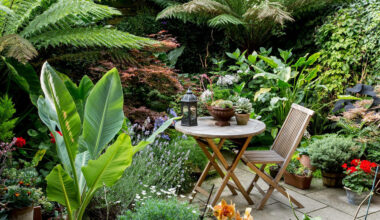
Many homes with outdoor living spaces are designed and built for use during warmer months of the year. However, using covered outdoor living spaces in other seasons of the year can extend the amount of time that you and your family can enjoy the outdoors. Outdoor fireplaces, ceiling fans, screens that can be adjusted to close off a patio or porch, and other climate control features make using your covered outdoor living spaces during cooler weather months easy.
When planning your patio, consider how water will run off during periods of rain and how snow will melt during the spring. Designing your patio and the surrounding walkways and driveways with proper drainage in mind will add years to the life of your hardscapes and will help to prevent ice from forming in winter months.
Include Flexible Interior Spaces
Seasonal routines and household needs can change throughout the year. A flexible room may serve as a home office during one season, a guest room during holidays, or a playroom during colder months.
Storage within a home should also be considered, especially throughout the changing of the seasons. Families need room for winter clothing, kids’ sports equipment, gardening equipment, outdoor furniture, and even seasonal decorations such as Halloween or Christmas decorations. A home’s storage needs to be organized and kept within built-in storage, or it can quickly consume a home’s living spaces.
Think About Long-Term Comfort
A home that works in every season is a home that has been thoughtfully planned and built to respond to the climate as well as to the users of the home. Therefore, in addition to using the best materials and design to create a comfortable home, homes that work in every season are also homes that have efficient storage, flexible spaces, and meet the changing needs of the homeowners throughout the year.
While some changes may require more cost than others, planning your custom home to accommodate your needs in each season could save you money in the long run and make your home a more pleasant and functional place for you to live.