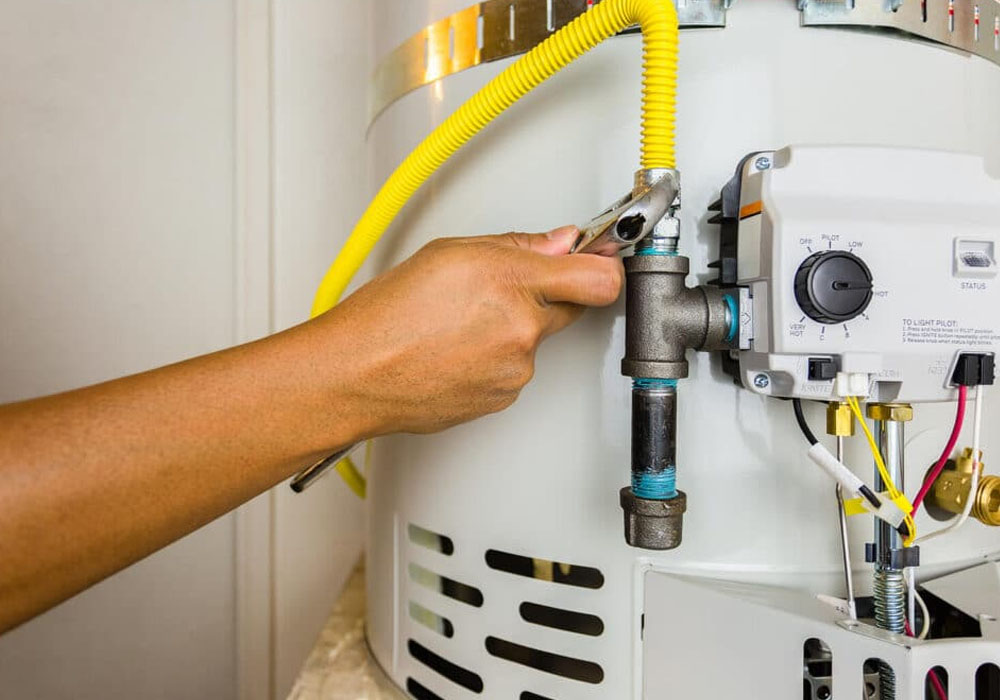
Choosing a water heating system is no longer just about ensuring there is enough hot water for the household. As energy prices, technology, and environmental priorities continue to evolve, homeowners are taking a more strategic approach to their decisions. Many begin researching topics such as gas vs electric hot water to better understand how each option performs over the long term. Rather than focusing solely on installation costs, today’s buyers are comparing operating expenses, maintenance requirements, efficiency, and future energy needs before making an investment.
Looking Beyond the Initial Installation
The purchase price of a water heater is only one part of the overall financial picture.
Experienced homeowners increasingly evaluate the total cost of ownership, which includes expenses that occur throughout the life of the system.
Key considerations often include:
- Installation costs
- Energy consumption
- Maintenance expenses
- Expected lifespan
- Repair frequency
- Replacement planning
Taking these factors into account provides a clearer understanding of which solution may deliver better value over many years.
Household Usage Has a Major Impact
No single water heating solution is ideal for every property.
The most suitable system often depends on how a household uses hot water each day.
Factors that influence system selection include:
- Number of occupants
- Daily shower frequency
- Laundry requirements
- Dishwasher usage
- Peak demand periods
- Future family growth
A larger household with high daily demand may have different priorities than a smaller home occupied by one or two people.
Comparing Running Costs Over Time
Operating costs remain one of the biggest factors influencing purchasing decisions.
Although energy prices vary by location and provider, homeowners generally compare:
- Monthly utility costs
- Seasonal energy usage
- Overall efficiency
- Expected long-term savings
- Future energy price trends
Looking beyond the first year of ownership helps create a more realistic comparison between available technologies.
Maintenance Requirements Matter
Regular servicing helps any water heating system perform efficiently, regardless of its energy source.
Homeowners often ask:
- How frequently does maintenance need to be performed?
- Are replacement parts readily available?
- What routine inspections are recommended?
- How easy is professional servicing?
Understanding ongoing maintenance responsibilities can help prevent unexpected expenses while supporting reliable performance throughout the system’s lifespan.
Energy Efficiency Is Becoming a Priority
As utility costs continue to receive attention, efficiency has become one of the most important purchasing criteria.
Water heating accounts for a significant portion of residential energy use because hot water supports everyday activities such as:
- Showering
- Bathing
- Dishwashing
- Laundry
- Kitchen cleaning
- Household sanitation
Improving efficiency can help reduce unnecessary energy consumption while maintaining household comfort. For households looking to lower overall utility expenses, upgrading to an energy-efficient water heater can complement efforts to manage monthly energy bills. In regions where homeowners compare dallas electricity rates, reducing water heating energy consumption can make those cost-saving efforts even more effective.
Environmental Considerations Influence Decisions
Sustainability is playing a larger role in appliance selection than it did in previous decades.
Many homeowners now consider whether a water heating system aligns with their broader environmental goals.
Common questions include:
- Can the system reduce energy consumption?
- Does it support lower household emissions?
- Will it integrate with renewable energy technologies?
- Is it suitable for future home upgrades?
These considerations often complement financial planning rather than replace it.
Smart Technology Is Improving Energy Management
Modern homes increasingly incorporate technology that helps monitor and optimize energy use.
Smart systems may provide features such as:
- Energy usage tracking
- Remote monitoring
- Scheduling functions
- Maintenance reminders
- Performance alerts
Access to real-time information allows homeowners to better understand consumption patterns and identify opportunities for improved efficiency.
Future-Proofing the Home
Many property owners are making decisions with future needs in mind rather than focusing only on current requirements.
Planning ahead may involve considering:
- Solar panel installation
- Battery storage systems
- Home renovations
- Changing family size
- Evolving energy prices
- Advances in appliance technology
Selecting equipment that remains suitable as circumstances change can help reduce future replacement costs.
Professional Advice Supports Better Decisions
Water heating systems involve several technical considerations, making expert guidance valuable during the selection process.
Qualified professionals can assess:
- Household hot water demand
- Available installation space
- Existing plumbing infrastructure
- Local energy options
- Building requirements
- Long-term operating expectations
Professional recommendations help homeowners choose a solution that balances efficiency, reliability, and cost-effectiveness.
Balancing Comfort With Affordability
While cost remains important, homeowners also want dependable access to hot water throughout the day.
Finding the right balance often means considering:
- Reliable performance
- Adequate hot water capacity
- Energy efficiency
- Maintenance needs
- Long-term affordability
The best solution is usually one that fits both the household’s budget and its daily lifestyle.
Final Thoughts
The discussion surrounding gas and electric hot water systems has become far more comprehensive as homeowners place greater emphasis on long-term value. Rather than focusing only on installation costs, people are carefully evaluating operating expenses, maintenance requirements, energy efficiency, sustainability, and future household needs before making a decision.
By comparing total ownership costs, understanding household usage patterns, and seeking professional guidance, homeowners can make informed choices that support comfort, reliability, and financial efficiency. As technology and energy markets continue to evolve, taking a long-term view will remain one of the most effective ways to select a water heating system that meets both present and future needs.