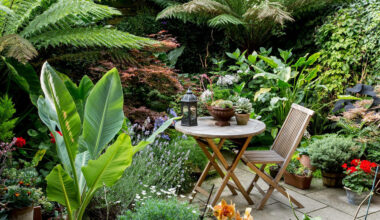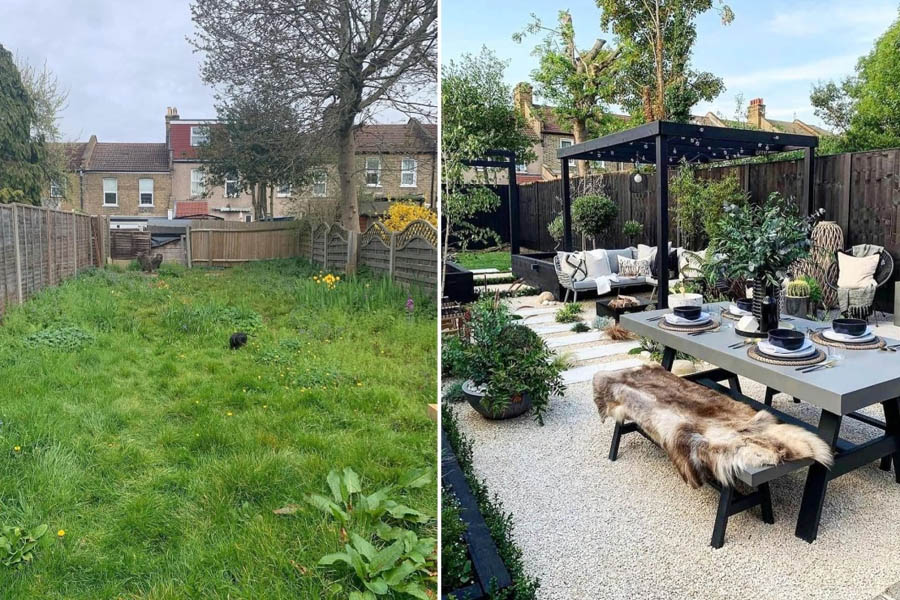
Most backyards sit empty for large portions of the year. You mow the grass, pull the occasional weed, and rarely use the space for actual enjoyment. Turning this neglected area into a dedicated staycation destination changes how you interact with your property. Instead of staring at a blank patch of dirt, imagine stepping out your back door into a private retreat. This process requires more than just buying new furniture. It demands a solid plan that balances function, style, and long-term usability.
Define Your Vision and Goals
Before you purchase materials or start digging, you must determine how you want to use your outdoor space, observes Spectrum Property Management Lewiston. Are you dreaming of a quiet retreat for morning coffee, an entertainment hub for hosting friends, or a productive garden for growing your own food? Consider the primary activities you envision for your yard. Make a list of everything you would like to do, such as dining, lounging, reading, gardening, or hosting gatherings. Clarifying these goals will help you decide which features are most important, whether it is a spacious patio, a built-in grill station, or a designated play area.
Assess Your Current Space
Once you know what you want, take a detailed look at your existing yard. Evaluate its strengths and weaknesses. Note the amount of sun and shade different areas receive throughout the day. Identify any drainage issues and assess the condition of existing structures like decks or fences. This assessment helps you understand what you have to work with. You might discover that a sunny spot is perfect for a vegetable garden, or that a sloped section needs a retaining wall to become usable. This is also the time to measure your space accurately to ensure any new features will fit comfortably.
Designing Multi-Functional Zones
You do not need an acre of land to build a versatile recreation area. Smart design allows you to host multiple activities within a single footprint. Use hedges, trellises, or even outdoor rugs to delineate spaces for dining, lounging, or playing. If you are planning a specific zone for children to enjoy, consulting a playground builder from Idaho can ensure safety and durability for long-term enjoyment. By creating clear pathways that connect these different zones, you encourage better flow and movement throughout the entire yard.
Hardscaping and Softscaping Balance
A great backyard relies on a balance between hard elements and soft nature. Hardscape, such as stone or concrete patios, provides a stable foundation for furniture and high-traffic areas. Meanwhile, softscaping, including trees, shrubs, and flowers, adds color and softens the overall aesthetic. Select plants that are well-suited to your local climate and light conditions. A mix of evergreen and perennial plants will ensure your space looks great year-round, while adding vertical elements like climbing vines or trellises can make the space feel more enclosed and private.
Lighting for Evening Use
The experience should not end just because the sun goes down. Installing lighting extends your enjoyment well into the night. Soft ambient lighting creates a warm atmosphere, while task lighting is essential for grilling or dining areas. Mount lights high on poles or trees to reduce glare and ensure even illumination across the surface. This thoughtful placement keeps the focus on your property while ensuring safety for guests walking through the yard.
Set a Realistic Budget and Timeline
Outdoor renovations range from simple cosmetic updates to extensive construction projects. Establishing a clear budget early on will guide your decisions and prevent overspending. Research the costs for the features on your wish list, including materials, labor, and necessary permits. Breaking your renovation into manageable phases can make the process less overwhelming. Start with foundational work like grading or building hardscapes, then move on to planting and decor. Creating a timeline keeps your project on track and allows you to enjoy your new space sooner.
Conclusion
Transforming your backyard into a personal haven is an investment in both your home and your well-being. With careful planning and thoughtful design, your outdoor space can become a personal sanctuary that provides endless hours of enjoyment. Begin by defining your goals and assessing your space to build the foundation for a successful renovation. Grab a tape measure, head outside, and take the first step toward building your ultimate recreation destination today.