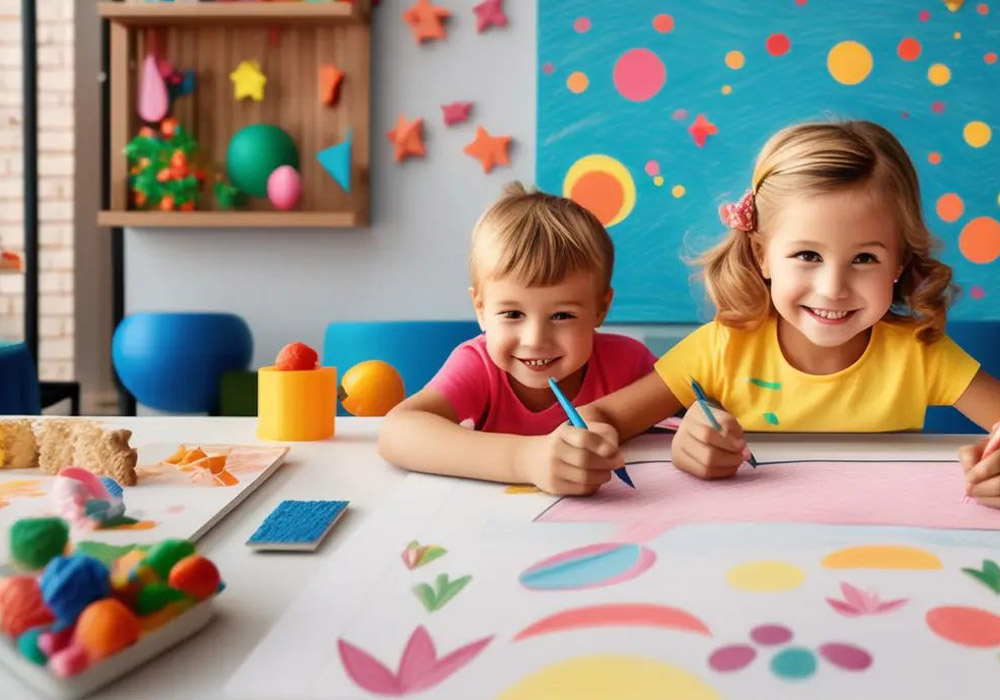
Little children meet art with open eyes, busy hands, and big feelings. A digital art lesson gives that energy structure, turning a screen into a space for color, story, choice, and self-expression. For K2 learners, emotional growth begins when children feel safe enough to try, pause, adjust, and share.
Strong art experiences help teachers and parents see what children struggle to say in words. A child’s color choice, line movement, or repeated shape can reveal excitement, worry, pride, or wonder. When lessons are guided with warmth and clear steps, young learners connect creativity with confidence. This article discusses the ways digital art lessons nurture emotional growth and curiosity for K2 kids.
1. Gentle Structure Builds Confidence
For kindergarten through grade two, carefully structured creative sessions using online art programs can make creative practice less intimidating because lessons use small, reachable actions. Children follow clear demonstrations, then add personal choices that make the artwork personal. That balance gives shy learners a strong start while leaving room for imagination.
Confidence grows when a drawing improves through another line, shade, or placement. Digital lessons allow easy correction, which eases fear. Instead of giving up, children revise and feel proud of progress.
2. Color Choices Help Children Name Feelings
Art gives children a friendly way to explore emotions before deeper vocabulary develops.
- Bright colors may show joy, energy, or excitement.
- Softer shades can express calm, comfort, or quiet thoughts.
- Bold lines may show enthusiasm, frustration, or a need to be noticed.
- Teacher prompts such as “What does this color feel like?” connect visuals with emotional language.
This habit builds self-awareness. Children understand that feelings can be seen, named, and shared without embarrassment.
3. Curiosity Grows Through Artists, Stories, and Culture
Curiosity rises when lessons introduce master artists, time periods, and visual stories. A painting, pattern, or sculpture can open a child’s mind to places, people, traditions, and fresh viewpoints. Each project invites questions, so art class becomes richer than a simple craft task.
Teachers can ask, “Why do you think the artist used these shapes?” or “What might happen outside this picture?” Such questions build observation and reasoning skills. Online art programs with art history and guided visuals can support these age-appropriate conversations.
4. Digital Tools Encourage Safe Risk-Taking
A digital canvas can make creative risk feel safer for K2 children.
- Children can test a color before they commit to it.
- Erase and redo options help them accept trial and error.
- Step-by-step videos support learners who need repetition.
- Personal details, such as favorite animals or family scenes, build ownership.
This process practically teaches resilience. The child thus learns a first attempt need not be perfect.
5. Creative Choices Strengthen Focus and Fine Motor Skills
Every digital art lesson asks children to make thoughtful decisions. They choose where an object belongs, what color fits the mood, and which detail completes the picture. These choices improve attention because children slow down, look closely, and finish with care.
Fine motor skills benefit from repeated hand movements, controlled tracing, careful coloring, and shape placement. The same lesson supports vocabulary as children describe lines, patterns, depth, and textures. For K2 learners, that mix of movement, speech, and imagination creates a foundation for school readiness.
Digital art lessons give K2 children a caring path toward confidence, curiosity, and emotional expression. They help young learners turn mistakes into discoveries and feelings into meaningful visuals. With thoughtful guidance, art becomes a steady foundation for joyful growth.