In the modern professional landscape, the home office has transitioned from a temporary convenience to a permanent sanctuary for productivity. However, simply having a place to put your laptop is not enough; your environment fundamentally shapes your mindset, notes SGI Property Management Dallas. A well-designed workspace supports focus, reduces physical fatigue, and helps maintain a healthy boundary between your professional and personal life. Whether you are working from a dedicated room or a small corner, these tips will help you transform your space into a powerhouse of efficiency.
1. Prioritize a Functional Layout and Ergonomics
Before choosing decor, evaluate your daily workflow to determine the best layout. If your tasks require deep focus, a minimalist desk with ample storage helps reduce mental clutter. For those in collaborative roles, ensuring your space is optimized for video calls—with a professional background and good seating—is essential.
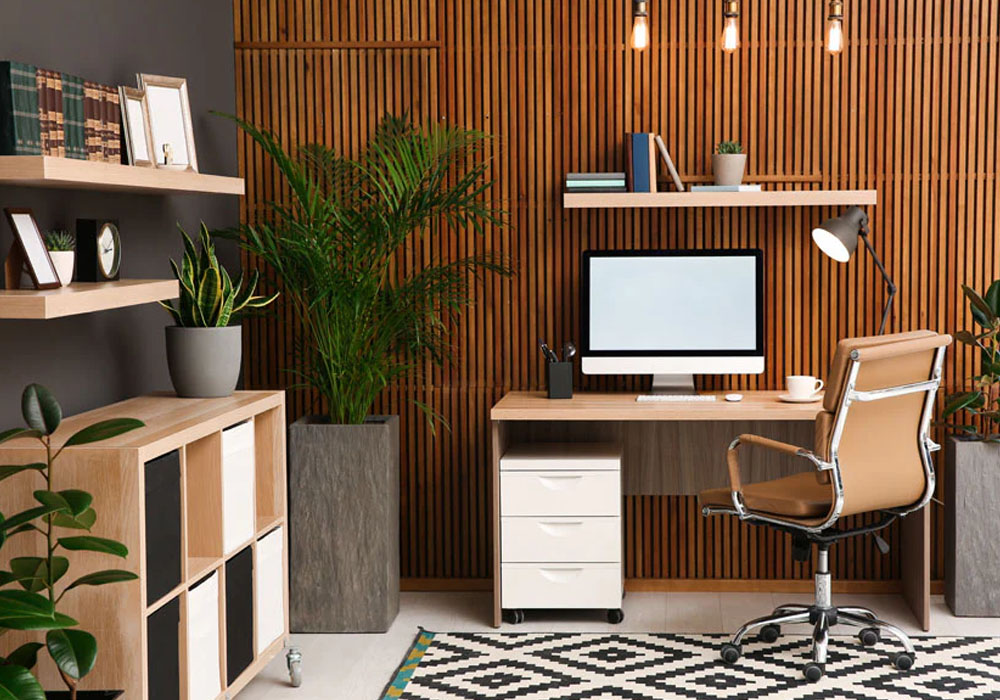
Comfort is a requirement, not a luxury. Investing in a high-quality ergonomic chair with adjustable height and lumbar support prevents the back and neck strain that often accompanies long work hours. Pair your chair with a desk at the correct height so your arms rest at a 90-degree angle. If you prefer flexibility, a standing desk or a convertible workstation allows you to alternate positions, which can boost both energy levels and circulation.
2. Optimize Your Lighting
Lighting has a profound impact on performance, mood, and eye health. Whenever possible, position your desk near a window to take advantage of natural light. Daylight helps regulate your circadian rhythm and reduces the eye strain often caused by harsh artificial bulbs.
For darker hours or windowless spaces, use a layered lighting approach. Combine ambient lighting for general room brightness with adjustable task lamps that illuminate your work surface directly. Avoid harsh overhead fluorescents, opting instead for warm white light that creates a more inviting and comfortable atmosphere.
3. Maximize Small and Shared Spaces
Not everyone has a spare room, but even a tiny alcove can become a productive zone with smart furniture choices. In compact areas, utilize vertical storage—such as wall-mounted shelves, pegboards, and hanging organizers—to keep your desk surface clear of clutter.
Multi-functional furniture is a game-changer for those living in studio apartments or shared homes. For instance, a wall bed and desk combo can allow a guest room to function as a professional office by day and a sleeping area by night. Other creative solutions include the “cloffice”—repurposing a reach-in closet by removing the doors and installing a desk inside—allowing you to literally close the door on your workday when it ends.
4. Implement Smart Organization
A cluttered workspace often leads to a cluttered mind, causing unnecessary stress and distraction. Start by going paperless whenever possible; use digital storage systems to organize documents and receipts, keeping physical piles to a minimum.
Effective cable management is another critical factor. Use clips, trays, or sleeves to hide tangled cords, which improves both the aesthetics of your room and your ability to focus. Establish a daily “shutdown ritual” where you tidy your desk at the end of each session, ensuring you return to a fresh, organized environment the following morning.
5. Infuse Personal Style with Intention
Your office should reflect your personality to make the space feel inviting rather than sterile. Adding greenery is one of the most effective ways to liven up a workspace; plants like succulents or snake plants improve air quality and add a calming natural element.
Decorate with items that spark joy and motivation, such as inspiring artwork, travel mementos, or a vision board aligned with your professional goals. Use colors thoughtfully: soft blues and greens promote concentration and calm, while vibrant yellows or oranges can stimulate creativity in collaborative zones.
6. Establish Psychological Boundaries
Maintaining a healthy work-life balance is a significant challenge when working from home. Designating a specific, consistent area for work—even if it is just a corner—helps train your brain to enter “productive mode” when you sit down. Avoid working from places associated with relaxation, such as your bed or couch, as this can interfere with your sleep and ability to unwind later.
By intentionally designing your home office to support your physical comfort and mental focus, you create an environment where you can truly thrive. Small, thoughtful adjustments to your furniture, lighting, and organization will lead to a more enjoyable and productive workday.