Many individuals delay upgrading their fire detection system because they believe it entails dust sheets, a tradesman, and a week of making good the plaster. This was a fair assumption when hardwired systems were your only real option. But they’re not now.
The real cost of going hardwired
Traditional hardwired alarm installations require electricians to cut through walls, channels in plasterboard or masonry to route cables between detectors then thread cables through ceiling voids and down to a mains supply. A wireless alarm’s battery-operated components simply fix to walls and ceilings, ready to work.
Picture the scene. Electricians are powering tools and ladders up to supply cables for sensors that detect heat and fire, carbon monoxide and temperature, as well as a control panel. Meanwhile, they’re running stung-up cable lines between fuse boxes and detectors, between detectors on stairs and detectors in hallways, and detectors in kitchens, bedrooms, and landings.
You’re likely to have at least three trades on-site for at least a day: chipper-outers making channels, electricians running cables, and plasterers and painters-taping, filling, and filling. Then there are electricians for fine-tuning and testing post-decorating.
For a wireless system, an installer turns up with three boxes of battery-powered devices in the van and mixes and mounts heat and fire, carbon monoxide and temperature detectors with radiant monitors. They carry out checks and provide tutorials for your smartphone app and, outside of programming a control panel and smart speaker, that’s every trade rolled into one.
How RF mesh networks actually work
Wireless interlinked alarms do not depend on your home Wi-Fi to alert each other. They utilize Radio Frequency signals on a specific mesh network – each alarm communicates directly with the others in its network. When one detector is activated, the RF signal moves through the network and all the alarms in the house go off within seconds.
This is important in reality. A fire that begins in a detached garage, utility room, or basement may not generate smoke that reaches a hallway detector immediately. With a properly interlinked system, the alarm closest to the fire is triggered first, it then alerts the entire network. No cables needed, no reliance on a broadband connection that could fail you when you need it most.
Choosing the right equipment
Once you have a grasp of how the tech works, your first step is to get your hands on some hardware that isn’t going to fall over in six months. In an age where everything’s available online, the first port of call should probably be a reputable site where you can look for reliable wireless smart alarms that meet BS 5839-6 compliance.
For maximum convenience and minimum maintenance, you’re looking for a multi-sensor device featuring the latest in Thermoptek sensing. This technology allows the alarm to monitor for both smoke and temperature in the room simultaneously, giving the best response to a wide range of fire types. Multi-sensor alarms are particularly good at recognizing the difference between a real threat and burnt toast, so as a landlord, you won’t have to cope with residents taking the battery out.
Similarly, you ideally want a 10-year sealed lithium battery. The latest alarms come with the latest battery technology built in, so you don’t even have to think about when your next battery replacement is due. When you’re responsible for more than one property, anything you can do to reduce your maintenance load is a win.
Installation without the damage
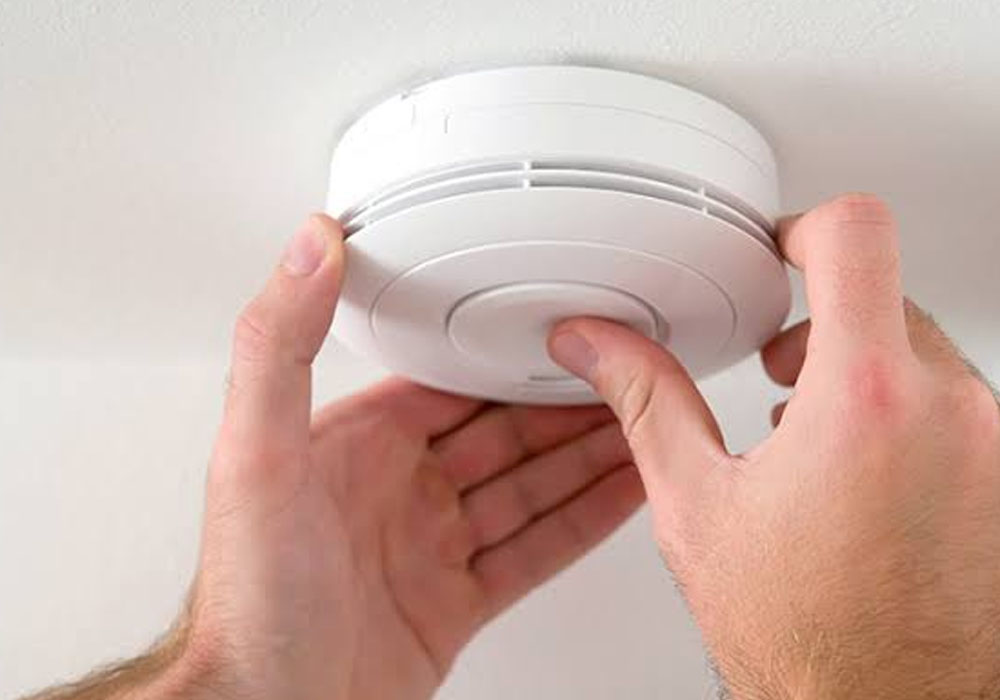
Almost all wireless alarms take under five minutes to install per unit. Each alarm is attached via your choice of two screws (which leave a small 4mm hole behind) OR two magnetic pads, with no drilling required. Magnets are perfect for rented or period properties. They hold the alarm base in place against the ceiling and easily lift away if you ever leave or redecorate. For especially fragile lath-and-plaster ceilings, this can save you from any subsequent cracking and crumbling which a standard drill could cause.
Regulatory compliance without the contractor
Interconnected alarm requirements are now countrywide – Scotland and Wales both have specific laws in place mandating that all smoke and heat alarms must be interconnected. Wireless systems satisfy these requirements easily and without any of the hassle of hiring an electrician to chase out walls or connect to a mains consumer unit.
That’s also a game-changer for landlords. Ensuring compliance across a portfolio of properties is no longer a multi-day electrical job – it’s a simple DIY installation that can be done room by room, property by property, on a working day. Fire safety upgrades stopped being a trade job the moment wireless RF systems became the standard. The technology is there, the installation is clean, and your walls can stay exactly as they are.