A fresh coat of paint can transform the look of a house. Many homeowners take on painting projects themselves to save money. However, exterior painting presents unique challenges that differ from interior work. The outside of a home faces harsh weather conditions and requires special preparation. Professional painters bring skills and equipment that most homeowners do not possess. This article will help you recognize when it is time to call in the experts.
Peeling or Bubbling Paint
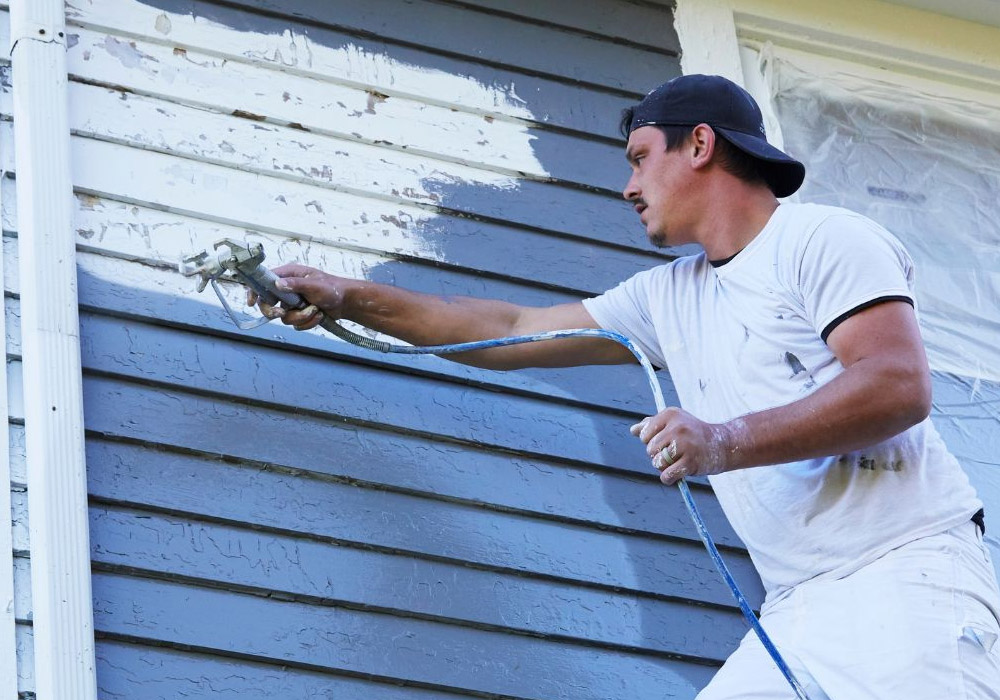
Paint that peels or bubbles indicates a problem beneath the surface. Moisture often gets trapped under the paint layers, which causes this issue. Simply painting over peeling areas will not solve the problem. Professional exterior painters know how to identify the source of moisture and fix it properly. They will scrape away loose paint and treat the underlying surface before applying new paint. This approach ensures the new paint job lasts much longer than a quick cover-up.
Cracks in the Paint Surface
Cracks appear when paint loses its flexibility due to age or sun damage. These cracks allow water to seep into the wood or siding underneath. Water intrusion leads to rot, mold, and structural damage over time. Professional painters have the training to fill cracks properly and prepare the surface for new paint. They use high-quality products that expand and contract with temperature changes. This attention to detail prevents cracks from returning after the new paint dries.
Fading Colors and Chalking
Sun exposure causes paint colors to fade and lose their vibrancy. Chalking happens when paint breaks down and leaves a powdery residue on the surface. A simple test involves running a hand over the painted area to check for chalky dust. Professional painters understand how to handle faded surfaces and restore the original color. They apply primers and paints that offer UV protection. These products resist fading and keep the home looking fresh for many years.
Wood Rot or Damage
Soft or crumbling wood around windows, doors, and eaves signals serious trouble. Paint cannot stick to damaged wood, and new paint will fail quickly in these areas. Professional painters assess the extent of the damage and recommend repairs. They replace rotted sections and treat healthy wood to prevent future decay. This step prevents more expensive repairs down the road. The result is a stable surface that holds paint properly.
Difficulty Reaching High Areas
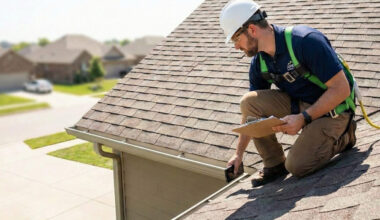
Homes with multiple stories or steep rooflines pose safety risks for DIY painters. Working on ladders at great heights without proper equipment can lead to serious injuries. Professional painters use scaffolding, lifts, and safety harnesses to access high areas. They move efficiently and safely while working on tall surfaces. This equipment also allows them to apply paint evenly and consistently. The final result looks more professional when painters can reach every area comfortably.
Preparation Takes Too Much Time
Exterior painting requires extensive preparation work that takes time and effort. The process involves pressure washing, scraping, sanding, caulking, and priming. Many homeowners underestimate the time needed for these steps. Professional painters arrive with a team and complete preparation work quickly. They have commercial-grade pressure washers and sanding tools that speed up the process. Their experience helps them avoid mistakes that could slow down the project. Hiring professionals allows homeowners to focus on other priorities.
Recognizing these signs early can save homeowners time, money, and frustration. Exterior painting involves more than just applying color to walls. Professional painters bring expertise that prevents costly mistakes and ensures lasting results. They understand how to handle common issues like moisture, rot, and surface damage. Hiring professional exterior painters also eliminates safety risks associated with working at heights. The investment in professional painting pays off through better protection and a more attractive home.