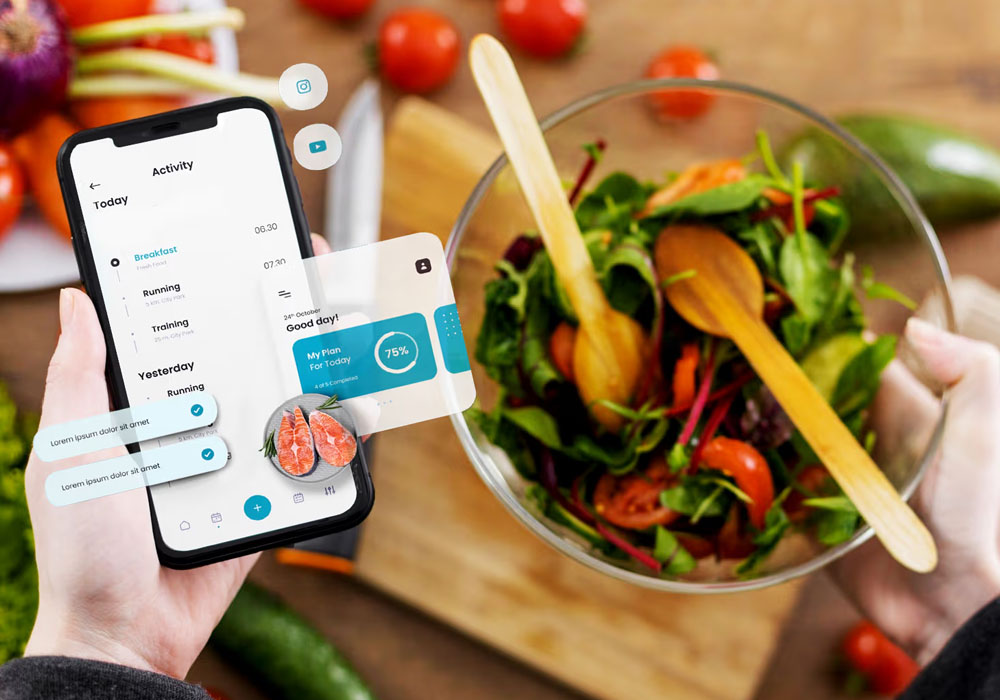
Effective nutrition coaching relies on more than general meal advice. Clients have different goals, schedules, food preferences, and activity levels, which means a single approach rarely delivers the same results for everyone. Personalized guidance helps coaches create recommendations that match each client’s unique circumstances.
Technology has made this process much more efficient. A personal nutrition coach can collect, organize, and review important information through coaching software, making it easier to deliver tailored support. From nutrition habits to progress tracking, client data helps shape meaningful recommendations. This article explores how coaches use that information to create a more personalized nutrition experience.
Client Questionnaires Create a Strong Foundation for Nutrition Plans
The personalization process starts with gathering the right information. Digital questionnaires allow coaches to collect details about goals, eating habits, dietary preferences, allergies, lifestyle factors, and daily routines before creating any recommendations. Having this information in one location helps professionals gain a clear understanding of each client’s situation. Instead of relying on assumptions, coaches can build nutrition strategies based on accurate information. This creates a stronger starting point and allows recommendations to reflect individual needs from the beginning.
Food Tracking Records Highlight Daily Eating Behaviors
Nutrition recommendations become more effective when they are supported by real data. Food tracking tools allow clients to record meals, snacks, beverages, and nutrition habits throughout the week.
Identifying Trends Instead of Individual Meals
A single meal rarely tells the full story. Coaches can review longer-term records to identify recurring patterns that may influence progress. Consistent tracking helps reveal areas where adjustments may support better results.
This broader view allows professionals to provide guidance based on actual behaviors rather than isolated events. As a result, recommendations become more relevant and practical for the client’s lifestyle.
Progress Dashboards Help Coaches Make Better Adjustments
Client information continues to provide value long after a nutrition plan is created. Coaching software can bring together weight updates, body measurements, habit completion records, and other progress indicators in one dashboard. This organized view helps professionals evaluate how well current strategies are working. When progress slows or goals change, coaches can review the available information and make informed adjustments. Access to current metrics supports more precise decision-making and improves the overall coaching process.
Activity Data Supports More Accurate Nutrition Guidance
Nutrition planning becomes more effective when coaches understand a client’s physical activity levels. Training schedules, workout frequency, and exercise intensity all influence nutritional requirements.
Connecting Training and Nutrition Information
Coaching platforms allow professionals to review activity information alongside nutrition records. This combined perspective helps coaches align recommendations with training demands and recovery needs.
When nutrition guidance reflects both eating habits and activity levels, recommendations become more personalized. This connection helps ensure that nutritional support remains relevant to each client’s goals and daily routine.
Ongoing Client Check-Ins Keep Recommendations Relevant
Personalization is an ongoing process rather than a one-time task. Regular check-ins allow coaches to collect feedback about adherence, meal satisfaction, schedule changes, and overall progress. A personal nutrition coach can use these updates to refine recommendations as client circumstances evolve. Since goals and routines may change over time, continuous feedback helps ensure that guidance remains practical and effective. This creates a coaching experience that adapts to each individual rather than remaining fixed.
Personalized nutrition coaching depends on accurate and organized client information. Coaching software helps professionals collect meaningful data, monitor progress, and make informed decisions throughout the coaching journey. When client insights are easy to access and review, nutrition recommendations can remain relevant, targeted, and aligned with each individual’s objectives.