Hospitals depend on roofs that protect patients, staff, equipment, records, and sensitive medical spaces every hour of the day. A small leak or weak membrane can disrupt patient care, damage interior systems, and create safety concerns that facility teams cannot afford to ignore. For healthcare properties in Akron, dependable roofing support is part of responsible building care.
Medical facilities also need roofing work that respects infection control, emergency access, quiet zones, and strict operating schedules. Skilled roofing professionals plan each service around these demands, so care areas remain protected, and daily operations stay steady. Akron commercial roofing services help hospitals manage repairs, replacements, installations, and long-term maintenance with practical attention to healthcare needs. This blog will help you get the details.
Commercial Roof Repairs That Protect Critical Hospital Spaces in Akron
Roof damage in hospitals requires a fast, organized response because even minor water intrusion can affect labs, patient rooms, pharmacies, and imaging departments. Professional roofers inspect seams, flashing, drainage points, rooftop units, and membrane surfaces to locate the true source of a problem rather than treating only visible symptoms. Repairs may include sealing punctures, correcting ponding water concerns, replacing damaged flashing, restoring membrane sections, and addressing storm-related wear. Clear communication with facility managers helps crews schedule work around sensitive areas, ambulance routes, and patient care routines.
Replacement and Installation Options for Healthcare Buildings
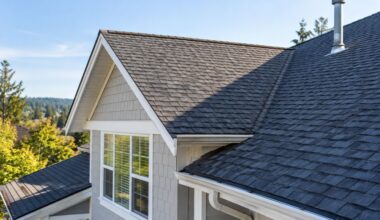
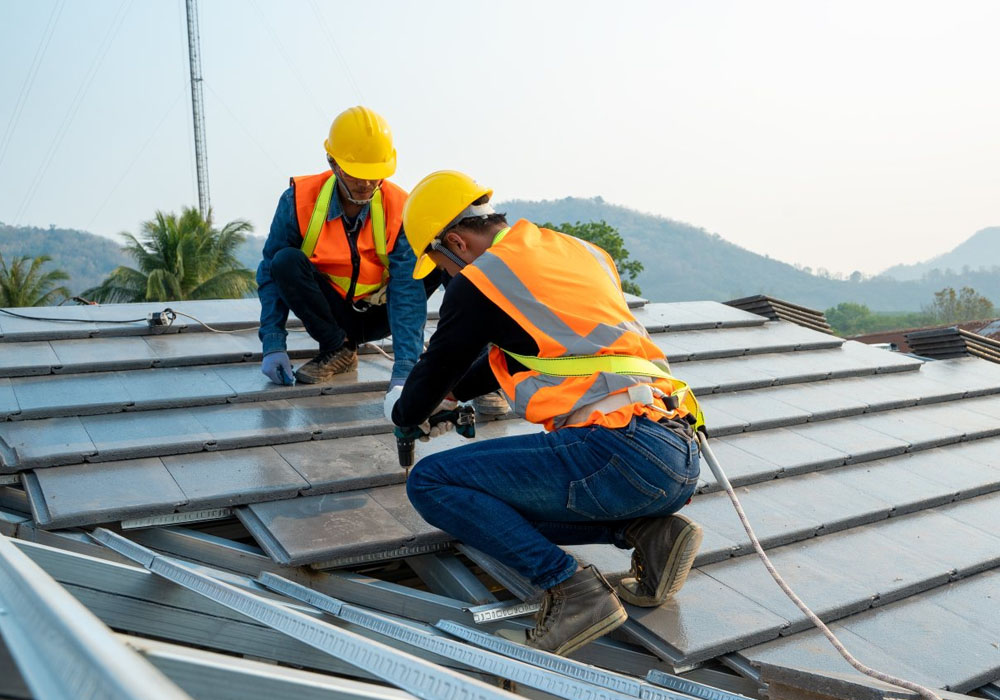
A hospital roof replacement must be planned with precision because the building usually stays active during the project. Roofing teams assess structural conditions, energy goals, drainage layout, insulation needs, and existing roof age before recommending a replacement or installation plan. For installation, professionals may install pitched roofs on selected medical buildings, clinics, administrative wings, or specialty structures where slope, appearance, and water runoff matter. EPDM roofs are also common for flat or low-slope hospital sections because this material offers strong weather resistance, reliable performance, and practical maintenance value. When Akron commercial roofing services handle installation, they align materials with building use, budget goals, and long-term facility demands.
Roof Maintenance That Reduces Costly Disruptions
A planned maintenance program helps hospitals avoid sudden roofing emergencies that could interfere with patient care or expensive medical equipment. Routine inspections create a clear record of roof condition and give facility teams time to act before small concerns become major problems.
Key maintenance tasks include:
- Checking roof membranes, seams, flashing, skylights, drains, gutters, and rooftop penetrations.
- Clearing debris from drainage areas so water moves away from the building efficiently.
- Reviewing past repair zones to confirm that previous work remains secure.
- Preparing seasonal reports that help hospital administrators plan budgets with confidence.
Emergency Roofing Support After Storms and Leaks
Storm damage, fallen debris, sudden leaks, and membrane failure can place hospital operations at risk within minutes. Emergency roofing support helps secure exposed areas, stop active water entry, and protect interiors until permanent repairs can be completed.
Urgent services include:
- Temporary leak control for patient care zones, storage rooms, and equipment areas.
- Storm damage assessment with photos, notes, and repair recommendations.
- Drainage checks after heavy rain to identify ponding water or blocked outlets.
- Follow-up repair planning once the building is safe and dry.
So, hospitals in Akron need roofing partners that understand healthcare pressure, safety expectations, and operational continuity. Professional commercial roofers deliver repair, replacement, installation, maintenance, and emergency support with careful planning. Strong roof care helps healthcare facilities protect people, property, and patient services through every season.