Your home’s entrance is more than just a functional passageway; it is the first impression visitors have of your space and the element that sets the tone for the rest of your home. A grand entryway can transform the overall feel of a house, creating an inviting atmosphere that balances visual striking design with practical utility, reports Stormo Property Management, a trusted provider of Wright County property management. Whether you are looking to impress guests or simply want a more welcoming return to your sanctuary, crafting a stunning entrance requires a thoughtful combination of curb appeal and interior styling.
1. Crafting the Perfect Approach
A grand entrance begins long before you reach the front door. The pathway is the first welcoming gesture of your home, guiding guests and directing their attention. Materials like pavers, bricks, stone, or even gravel can be used to create an eye-catching and functional walkway. Curved lines often add charm, while symmetrical patterns create a more formal, manicured look.
To truly elevate this space, frame your pathway with lush greenery and flowers to add depth and texture. Integrating a mix of perennials and shrubs ensures year-round beauty. For those looking to create a vibrant, high-impact landscape on a budget, planting bulk flower seeds along the borders of your walkway can provide a seasonal explosion of color that brings life and joy to the home’s exterior.
2. The Power of a Statement Door
The front door serves as the undisputed centerpiece of your home’s entrance. Upgrading your door is one of the most effective ways to boost curb appeal instantly. When selecting a door, consider materials that complement your home’s architecture, such as richly detailed solid wood for a classic look or sleek steel and glass for a modern aesthetic.
Don’t shy away from bold color choices; shades like navy blue or emerald green make a striking statement, while neutral tones like charcoal or taupe offer sophisticated chicness. Furthermore, pay attention to hardware. Details such as ornate brass handles, a stylish door knocker, or modern address numbers contribute significantly to a unique and welcoming atmosphere.
3. Layering Light for Ambiance
Lighting plays a critical role in creating warmth and safety. Strategic outdoor lighting, such as solar-powered garden lights or wall-mounted sconces, illuminates the pathway and highlights architectural features.
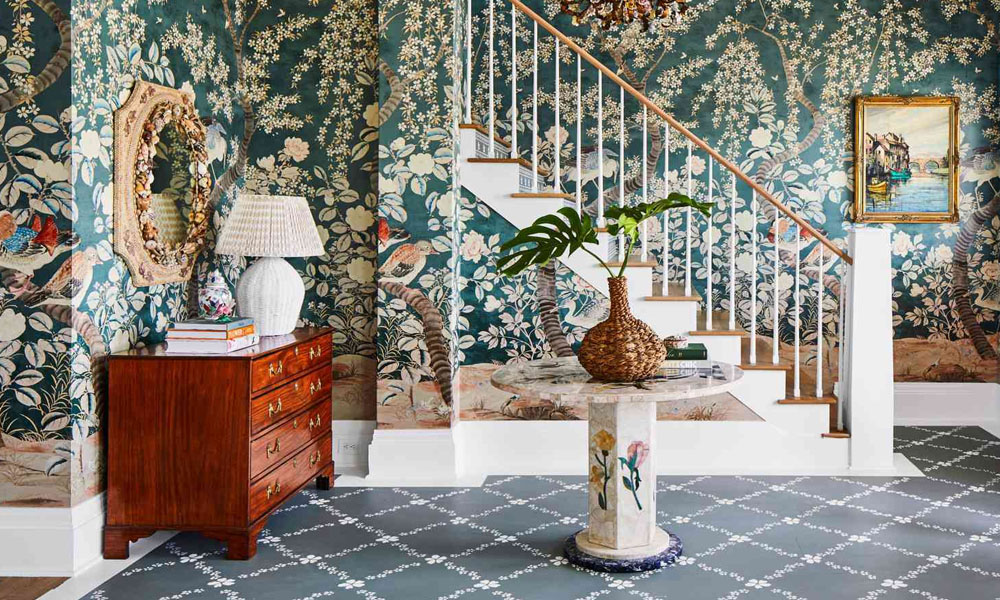
Inside, layered lighting is essential for setting the mood. Combine ambient overhead lighting, like a statement chandelier or pendant, with task and accent lights such as table lamps or sconces. Dimmers are particularly useful, allowing the entryway to shift from a bright, energetic space during the day to a soft, cozy environment at night.
4. Defining the Interior Space
Even homes without a dedicated foyer can create the illusion of one through smart design. Use a statement rug to define the area and add texture, which also helps separate the entryway from the rest of an open-concept layout.
Mirrors are another powerful tool in these transition spaces. They reflect light, creating a sense of depth and making smaller entryways feel larger and more open. Beyond their aesthetic value, they provide a convenient spot for last-minute touch-ups before you head out the door.
5. Functional and Stylish Furniture
An entryway must be as organized as it is beautiful. Choosing the right furniture can enhance both style and functionality. A narrow console table is an excellent option for smaller spaces, providing a surface for keys, mail, and decorative accents.
If space allows, a bench or a set of chairs provides a practical area for guests to remove their shoes while adding a touch of comfort. To keep the area clutter-free, incorporate clever storage solutions such as baskets, decorative hooks, or wall-mounted shelves to manage everyday essentials like bags and coats.
6. Personalization and Greenery
Finally, make the space uniquely yours by adding personal touches. Decorative elements like vases, candles, framed photos, or unique sculptures reflect your personality and style. Integrating greenery, such as a potted snake plant or fresh flowers, brings life and freshness to the space. If natural light is limited, high-quality artificial plants can offer the same vibrant look without the maintenance.
By balancing bold architectural elements with soft accents and ensuring your design complements the overall architecture of your home, you can create a grand entrance that is both functional and unforgettable.