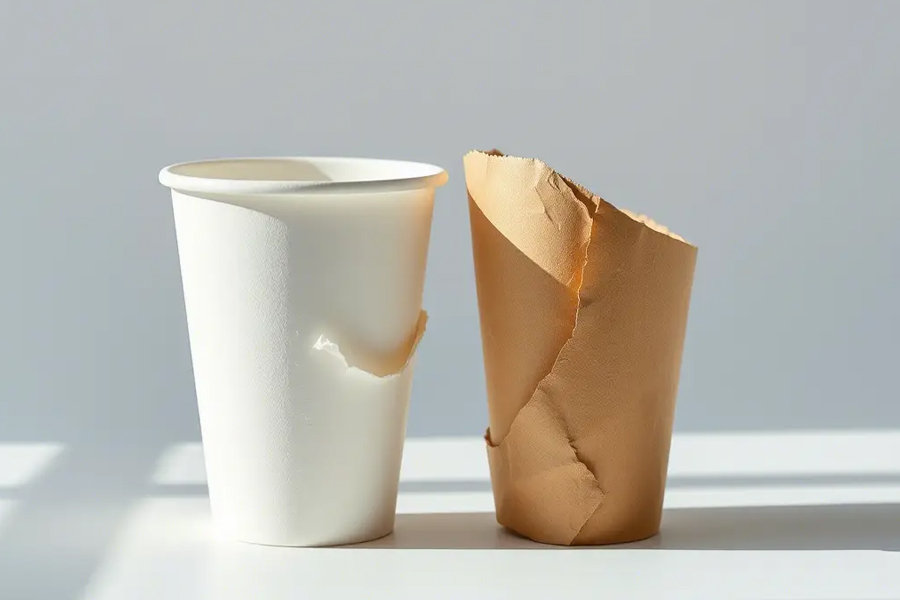
Taste, Temperature, and the Science of the Sip
Ceramics change drinks by staying out of the way, not by adding flavor. For the first few minutes, when guests judge if a cappuccino is delicious or rushed, dense clay bodies stabilize temperature like a moderate thermal battery. That stability counts. If the vessel cools too soon, acidity sharpens and sweetness flattens. When the cup is heated, scents and texture improve.
Perception also depends on rim geometry. Thin, polished lips stream cleanly and quickly onto the palate. Warmth and comfort come from a thicker rim. Flow is affected by glaze microtexture. A velvety interior helps crema extend and settle, preserving contrast in latte art. High-fired stoneware and porcelain are neutral, unlike paper fibers or soft plastics that can impart an off note, ensuring exact and reproducible single origin characteristics.
Built for Barista Speed
High-volume cafés need cups that behave as well on the pass as they do in the hand. Well-designed ceramics address four essentials.
- Stackability that protects rims and saves vertical space. Look for foot rings that nest without wobble.
- Ergonomics for fast grabs. Handles that take two fingers are faster to hook off a saucer. Smooth outer walls reduce drag when wiping drips.
- Accurate volumetrics. True 6, 8, 10, and 12 ounce internals allow baristas to steam and pour without second-guessing. Consistency keeps recipes tight and speeds training.
- Stable centers of gravity. A low, wide base reduces tip risk when tickets crowd a bar. Less spill means fewer remakes and less waste.
You can feel the difference during a rush. A line of cups that seat cleanly under the spouts, hold temperature between the first and last pour, and leave just enough headroom for foam makes the bar flow like a choreographed dance.
Durability, Hygiene, and Upkeep
The right clay body, firing schedule, and glaze chemistry turn ceramics into true workhorses. In service, they face thousands of dishwasher cycles, sudden temperature changes, and inevitable counter bumps.
- Hard glazes resist utensil marking and tannin staining, keeping cups bright under café lighting.
- Vitrified bodies offer low porosity, which helps prevent moisture ingress and harbored odors.
- Rounded lips and reinforced handles reduce chipping points.
Cleaning is easy. Sanitizing commercial dishwashers frequently exceeds 71 C. Hi-fired ceramics can handle that. A nonabrasive cleanser removes stubborn spots without harming glazing. Avoid overusing one set while others remain pristine by rotating stock from the rear of the shelf forward.
Sustainability Guests Can See
Sustainability is tangible when held and refilled. Reusable pottery reduce café to-go waste and trash runs. The image is strong. A table with glazed cups and saucers signals reuse-first. That signal boosts loyalty among low-impact guests.
Programs grow from here. Set default ceramic service for dine-in. For walking guests, have a few reusable porcelain or stoneware takeaway cups with deposits. Place a rinse-and-return station near the door for easy handoffs. This reduces loop contact points and single-use inventory purchases.
Brand Storytelling in the Hand
Ceramics are miniature billboards that sit on every table and star in hundreds of photos. Form and finish amplify your identity.
- Matte charcoal reads modern and sleek. Speckled oatmeal leans rustic and cozy. Crisp white frames latte art like a gallery canvas.
- In-glaze logos resist scratching and dish chemicals. Debossed stamps on the base turn a flip of the cup into a brand reveal.
- Limited runs, seasonal colorways, and artist collaborations turn mugs into collectibles that customers ask about and buy.
When the cup feels intentional, the brand feels crafted. The moment a guest wraps their hands around a mug that mirrors the mood of the room, your visual story and flavor story align.
The Numbers Behind the Switch
Ceramic adoption is not just a mood shift. It is math. Here is a simple snapshot you can tailor to your menu.
- Assume 300 dine-in drinks per day and 360 days of service.
- A quality cup and saucer set priced for wholesale pays back over thousands of uses if breakage is controlled.
- If you cut single-use purchases for dine-in by 70 to 90 percent, you reduce both supply spend and hauling fees.
- Training that reduces mishandling lowers replacement rates. Even a small drop in monthly breakage changes the calculus.
Track three KPIs after rollout: cost per served drink including vessel depreciation, average ticket time during rush, and percentage of dine-in orders served in reusables. The combined movement tells you whether you are capturing value in both cost avoidance and guest experience.
Sizing and Shapes That Respect the Menu
An espresso behaves differently than a flat white. Shape choices matter.
- Espresso cups with thick walls and a conical interior concentrate crema and hold warmth for the sip-and-savor cadence.
- Flat whites and cortados prefer compact, low bowls that keep foam integrated with the liquid.
- Cappuccino cups benefit from a wider mouth for art and aroma, yet a tight base that secures the shot before the milk lands.
- Filter coffee sings in taller vessels where aromatics can rise. If you host cuppings, straight-sided bowls keep evaluation consistent.
Match volumes to your recipes, not to legacy sizes. If your standard latte is 10 ounces of beverage, design around a cup that holds that comfortably with room for art, rather than forcing a 12 ounce vessel that cools too fast.
Working With Wholesale Without Friction
Wholesale success starts with quality thresholds and clear specs. Request test pieces before committing. Examine four points.
- Rim uniformity and lip feel. Run a finger around the perimeter for waves or thin spots.
- Glaze coverage and pinholing. Interior surfaces should be continuous and glassy.
- Base stability. Place the cup on a flat surface and press gently on opposite points. Rocking indicates uneven foot rings.
- True volume. Fill to the pour line you plan to use and measure.
Foam peanuts should not separate delivery pieces. Corrugate should. Request drop test results or packaging photos. Set up a reorder buffer for a multi-location café. Stocking 5–10% more than weekly use evens out spikes and breakage.
Latte Art, Acoustics, and the Room
Surface tension and pour control make latte art effective. Baristas have more time to finish rosettas because polished interiors inhibit crema dispersion. Rounded cups improve flow, but sharp corners break lines. Try different milk and steam settings to get the cleanest designs.
Ceramics affect more than drinks. They alter spatial sound. The sound of metal pitchers hitting glaze is faint. The calm tinkling of stacked glasses keeps discourse at the center. An auditory backdrop encourages longer visits and second orders.
Accessibility and Guest Comfort
Guest numbers increase with inclusive design. For weak grippers, lighter porcelain choices lessen strain. Two-finger handles fit many hands. Double-wall ceramics keep the exterior cool without sleeves for heat-sensitive guests. Offer a few lids or covers for individuals who like to protect the surface when switching tables.
Care Routines That Protect the Investment
Establish rituals that make breakage the exception.
- Train staff to stack only when dry. Trapped moisture can create suction and sudden releases.
- Use rubberized mats at the dish pit and pass. A millimeter of cushion saves rims.
- Dedicate a bin for chipped pieces and remove them from service immediately. Chips are both a hazard and a brand blemish.
- Rotate display stock to spread wear evenly.
These are small habits that accumulate into longer lifespans and a cleaner look day after day.
FAQ
Are ceramics practical for high volume cafés?
Yes. The combination of vitrified bodies, durable glazes, and stackable forms suits high throughput. Choose shapes that nest securely, set par levels that match your rush periods, and build care routines around drying and handling. The system will keep pace without slowing the bar.
Do ceramic cups hold heat better than paper or plastic?
In practice, yes. Ceramics have higher thermal mass, so they absorb heat and release it slowly. That steadies the beverage temperature during the first few minutes of service. Paper and thin plastics shed heat quickly, which can flatten flavor and cut the window for optimal enjoyment.
Will the glaze affect flavor or aroma?
Food safe glazes fired to maturity are inert. They do not impart flavor or odor. What you taste is the coffee or tea itself. If you are concerned, request confirmation that the glaze system is lead free and cadmium free and is tested for leach resistance at food contact surfaces.
How do I minimize chipping and breakage?
Select cups with reinforced rims and robust handles. Add soft mats at high impact stations. Train staff to avoid nesting when wet and to separate stacks by size. Replace chipped pieces promptly to prevent edge collisions from worsening. These steps reduce breakage without slowing service.
Are ceramics compatible with latte art?
They are ideal for latte art. A rounded interior helps the milk integrate smoothly, and a polished glaze allows the crema to hold its shape while you pour. Match cup width to your art style, wider mouths for broad tulips, slightly narrower for stacked rosettas.
Can ceramic cups work with to-go service?
For dine-in, ceramics are the default. For short walks nearby or patio seating, some cafés use silicone caps that fit standard diameters or dedicated ceramic travel lids. If you offer this, set a deposit system and clear return points to keep the loop tight.
What sizes should I stock to cover a modern menu?
Common sets include 3 to 4 ounce espresso demitasse, 6 to 7 ounce small bowls for cortados and flat whites, 8 to 10 ounce cups for lattes and cappuccinos, and 12 ounce mugs for filter coffee. Map sizes to your recipes to avoid overfilling or excess headspace.
How do I verify quality before a large wholesale order?
Request samples and check rim uniformity, glaze coverage, base stability, and true volume. Run them through your dishwasher cycles for a week. If they emerge without crazing, staining, or rocking, you can proceed with more confidence.
Are ceramics dishwasher safe in commercial settings?
High-fired stoneware and porcelain are built for commercial dishwashers. They tolerate high temperatures and detergents. Place pieces securely in racks, avoid overloading, and allow full drying to protect both finish and stackability.
What about guests who prefer lighter cups?
Offer a mix. Thin-walled porcelain is lighter yet strong. You can also stock a few double-wall pieces that feel substantial but stay cooler to the touch. Label shelf positions so staff can reach the requested style quickly without delaying service.