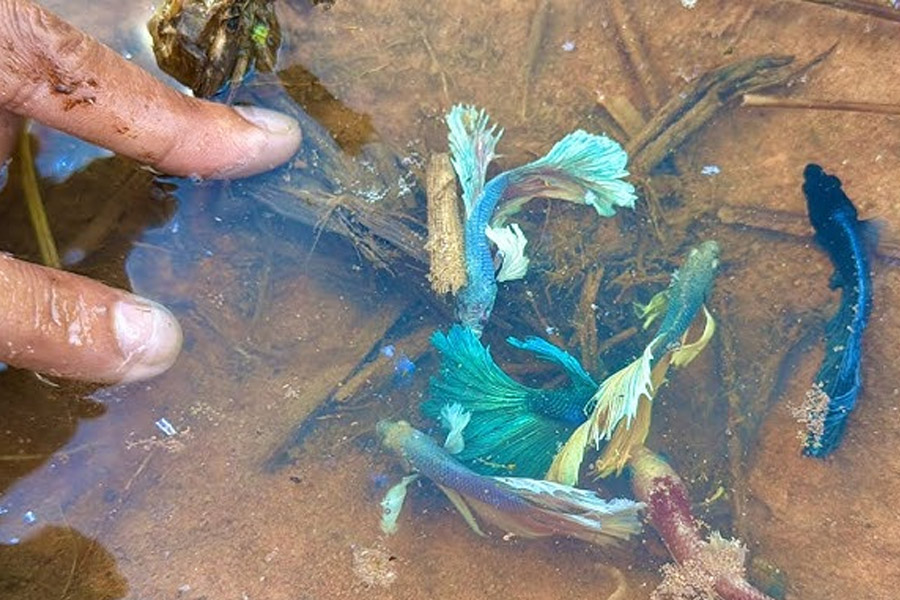
A Mosaic of Water: Microhabitats Across Southeast Asia
Wild Betta fish inhabit waterways in Thailand, Cambodia, Vietnam, and Malaysia. They live in a changing landscape of shallow ditches, rice paddies, peat swamps, shadowed woodland seeps, and sluggish, tea-colored streams. variable microhabitats have variable light, cover, and chemistry. Others are open water sheets under a blazing sky. Some are slender ribbons under roots and foliage. Bettas use shelter and shadow to move among them like lantern sparks.
Stems form a grid in paddies, breaking currents and whispering waves. Bettas navigate tannin-stained water in swamp cities made of leaf litter. Even a thunderstorm-filled tire rut can provide shelter. This flexibility matters. The foundation enables them use small, ignored locations.
Weather as Architect: Monsoons, Droughts, and Moving Shorelines
Seasons change bettas’ lives. Pools become temporary roadways during monsoon rains, uniting territories. Fish find partners, expand their range, and exploit prey surges. The dry season shrinks the world. Water levels drop, routes close, and isolated basins become important.
Flood pulses supply nutrition, insects, and seasonal tide-riding carnivores. Shallow pockets warm rapidly and collect rotting plant materials during drought. Bettas adapt by changing cover, water layers, and time of day to reduce risk. Their eating and reproduction schedules are regulated by mobility during rains and site loyalty during droughts.
Breathing Air, Living Low: The Labyrinth Advantage
Low oxygen does not trap wild bettas. This empowers them. Labyrinth organs allow fish to breathe at the surface like snorkels. They stay in warm, still areas where other animals slow down. This advantage is greatest in stagnant ditches or confined woodland lakes where submerged plants and microbial activity pull down dissolved oxygen.
Surface becomes entryway and lifeline. Bettas purposefully climb for air while searching for insects. Their bodies fit vertical travel. They can rest under floating cover, breathe, and sink without any effort. The labyrinth organ organizes their daily itineraries, making floating plants and calm margins more than refuge. These breathing stations are roadside rest facilities.
The Chemistry of Dark Water
Water in many natural places is tea-colored. Its pH and mineral composition are lowered by tannins from fallen leaves and bark. Blackwater filters light and smooths edges, turning open spaces into shadowy galleries. Bettas like these conditions as a specialty, not a novelty. Microorganisms that seed their food web enjoy low hardness and moderate acidity. Complex dense vegetation slows currents and creates gradients from shaded hollows to dappled surface patches.
Bettas hide in pool microzones as rain and temperature change water chemistry. LEAF rafts can cover a tiny layer of warmer, oxygenated water near the top. A root pocket might contain colder water during the day. Bettas sense these details like travelers read wind.
Predators, Prey, and the Art of Staying Small
Being tiny helps in shallow water. Bettas weave among grass stems, duck beneath sticks, and hide in leaf folds from larger hunters. They live with snakeheads, gouramis, bigger cichlids, aquatic fowl, and amphibians. Many predators arrive with rains and go when pools decrease. This periodic fluctuation necessitates adaptable concealment
A betta’s brightest color flashes like a flare when needed, then dims with the angle of light. Fins tuck against stems. Movement arrests on a cue. Camouflage in these waters is not perfect invisibility. It is synchronized timing. Bettas move in short, deliberate bursts, combining stillness and speed to avoid the eyes of hunters.
Food on the Wing: Surface Hunting and Seasonal Diets
Small animals are wild bettas’ main diet. They eat mosquito larvae, small aquatic crustaceans, rain-stirred worms, and insects that misjudge the water’s smooth geometry. After a rainstorm, debris brings stunned or drowned insects. Bettas hover like archers during dawn and dusk, when bugs glide.
Dry season menus constrict. Bettas spend more time searching leaf litter for microcrustaceans and larvae. In floods, they diversify and grab winged termites and ants in large numbers. The surface becomes a living conveyor belt, feeding patient and rapid eaters.
Territories with Porous Borders: Social Rules in Tight Quarters
While wild males protect territory, borders breathe. Stems block views in dense swamps or paddy fields. Bettas form pockets around essential resources including surface cover, breathing gaps, and hunting lanes. Complex habitats rarely allow persistent chasing, but displays and skirmishes occur. Like walls and drapes, plants confine fights to brief tests and slow-motion standoffs.
Rain extends space; dryness diminishes it. Lower levels condense territories and make truces more important. Bettas sneak beyond their neighbors’ routes and modify patrol times. Despite aggressiveness, habitat geometry shapes etiquette.
Two Paths to Parenthood: Nests and Mouths
Males make bubble nests that look like foamy bangles under leaves or among floating plants in various species. Nests aren’t only foam. Eggs are protected from currents and temperature changes by this microclimate. The greatest builders choose surfaces that shed heavy rainfall and trap warm air.
In other species, one parent carries eggs in the mouth. Mouthbrooders link reproduction to movement, not architecture. Floodwaters uproot plants, making a mouth the safest nursery. Both tactics require stability, either from bubbles or cover patches. Environmental change determines season winners.
Plants as Shelter, Ladders, and Larders
Betta life is supported by vegetation. For quick breathers, stems act as ladders. Ceilings of floating leaves trap insects and soften rain. Bubble nests have mosses and delicate roots. Microfauna feast in leaf litter, and every crumb brings a chorus of small prey.
Plant density dictates how close rivals must pass and how far a predator can lunge. In sparse banks, bettas hug the edges. In thick mats, they weave slow spirals through vertical rooms. A single fallen leaf can function as a landmark, windbreak, and hunting deck all at once.
Wild Bettas vs Fancy Fins: Form Follows Function
Wildlife bettas’ sleek shapes communicate tales their domesticated relatives have forgotten. Shorter fins reduce stem snagging and drag. Soft, earthy hues blend with shadows better than neon. Wild styles emphasis grip and durability, like hiking boots over ballroom shoes.
Domestication has magnified traits for spectacle, often at odds with the physics of tight, plant-choked water. Wild bodies conserve energy with smaller strokes and tighter turns. In the paddy and the swamp, efficiency is elegance.
Human Footprints on Shallow Water: Pressures and Persistence
Wild bettas live around fields, roads, and villages. Drainage projects alter flood patterns. Runoff and pesticides change chemistry and disrupt food webs. Disturbed waters attract invasive plants and fish. Some bettas use roadside ditches and farm canals as temporary shelters.
They are resilient yet limited. Straightening passageways and removing shaded borders reduces seasonal breathing room. Bettas rise for air like clockwork and hunt the surface like a script in pockets where plant remains and water still darkens under leaves.
FAQ
Where in the wild are bettas most likely to be found?
They inhabit lowland freshwater across parts of Thailand, Cambodia, Vietnam, and Malaysia, favoring shallow, warm, slow waters such as rice paddies, marshes, peat swamps, roadside ditches, and gentle streams with thick vegetation.
Do wild bettas live in groups or alone?
Wild males are territorial, spacing themselves around key resources like surface cover and feeding lanes. Females and juveniles may overlap more freely, especially when habitat complexity allows individuals to avoid frequent confrontations.
How does the labyrinth organ change wild behavior?
It lets bettas breathe air, encouraging them to patrol and rest near the surface under protective cover. This physiology enables them to exploit warm, low oxygen pockets that are less accessible to many other fish.
What do wild bettas eat during different seasons?
They focus on insect larvae, small crustaceans, and surface insects year-round. After rains, winged termites and ants become abundant. In the dry season, they spend more time foraging through leaf litter for microfauna and larvae.
Are bright aquarium colors seen in the wild?
Wild bettas typically display muted, earthy tones with subtle iridescence. These colors interact with shadows and stained water to provide camouflage. The extravagant hues and finnage popular in aquaria are products of selective breeding.
How do wild bettas breed when water levels fluctuate?
Bubble nest builders rely on floating vegetation to anchor nests during stable periods. Mouthbrooding species carry eggs instead, a strategy that maintains mobility and protects offspring when floods or currents make nest sites unreliable.
What environmental cues trigger breeding in the wild?
Rising temperatures, increased rainfall, and longer photoperiods often align to boost food availability and habitat complexity. These conditions provide both the resources and the cover needed for courtship, nesting, and guarding.