Read Your Climate, Not Just Your Thermostat
Temperature only partially explains. Your body feels heat and your cooling system works harder in humid weather. Summer indoor relative humidity should be 45–55 percent. Above 60%, rooms become damp, sleep suffers, and mold grows. Dehumidification may make 75 degrees feel like 72 in sticky air. Consider humidity the invisible blanket you want to remove before chasing lower setpoints.
If your home has persistent damp zones like basements or first floors over crawl spaces, consider a dedicated dehumidifier tied into your return ductwork or operating as a standalone with proper drainage. Drying the air first reduces the load on your AC and helps it cycle less while delivering more comfort, says Mark Thomas Properties Chapel Hill.
Precooling and Load Shifting That Actually Saves
Cooling the house when electricity is cheaper or outdoor air is milder reduces costs easily. Set your smart thermostat to progressively drop morning temperatures before the day gets harsh. Thermal batteries like walls, flooring, and furniture absorb coolth and release it slowly in the afternoon.
Night flush ventilation works well in dry climates: open high and low windows to circulate cooler external air, then shut up by daybreak. Night ventilation should be reduced in humid places unless the dew point is low. Otherwise, you import moisture your AC must remove. Take advantage of cooler hours without letting heat in.
Right-Size Cooling and Use Zoning Strategically
Short-cycle systems cool quickly but leave air damp. One that runs forever may never reach setpoint on bad days. Uneven rooms may indicate an excessive system or imbalanced ductwork. Slower, longer cooling via variable speed air handlers, modulating compressors, and ducted or ductless micro splits removes humidity and evens temperatures.
If your home has distinct hot spots like a sunny bonus room over the garage, add a small dedicated zone rather than overdriving the whole house. Balancing dampers, proper return paths, and pressure relief under doors help air move where it should instead of leaking into attics or crawl spaces.
Hunt Down Invisible Leaks and Thermal Bypasses
Air follows the least resistance, frequently through invisible gaps. Famous escape routes include top plates, attic hatches, recessed lights, chimney chases, and plumbing penetrations. Seal paths with caulk, weatherstripping, and foam before adding insulation. Mastic all joints, insulate unconditioned runs, and tighten the return side of ducts. Leaky returns let hot attic air into your system, increasing energy demand.
A basic smoke pencil or an incense stick held near baseboards and outlets can reveal drafts on a windy day. Fixing a dozen tiny leaks can rival a major upgrade at a fraction of the cost.
Window Strategy: Shade, Select, and Stack
Windows are the biggest summer radiators. Exterior shade is king because it stops heat before it enters the glass. Consider pergolas, solar screens, or operable exterior shutters for east and west exposures. Inside, use cellular shades with side tracks to minimize light leaks along the jambs. The honeycomb design traps air, adding insulation right where the sun hits hardest.
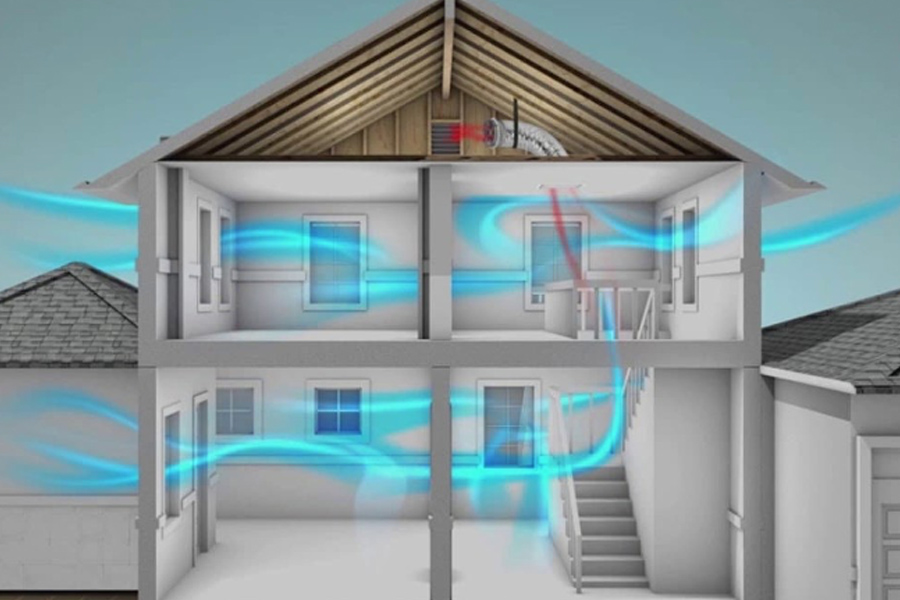
Replace windows on sunny sides of the house? Consider solar heat gain coefficient. Use low-emissivity coatings to filter infrared without cave-ins. On mild evenings, an operable skylight can create a stack effect that removes hot air from upper floors in multi-story homes.
Tame the Roof and Attic Heat Engine
Your roof bakes for hours, heating the attic and living space. The difference is huge with two improvements. First, a cool roof, reflective coating, or heat-reflective metal roof can lower source heat absorption. If you have a vented attic, add baffles to maintain airflow from soffits to ridge vents after improving insulation and air sealing.
If your ductwork lives in the attic, consider sealing the attic and bringing it into the thermal envelope. This approach reduces conductive and radiant heat gain on ducts and can boost comfort while cutting runtime. Whatever your configuration, do not neglect the attic hatch. Weatherstrip and insulate it like an exterior door.
Smart Controls That Think Ahead
Complex controls perform best when used thoughtfully. Schedule setbacks and use geofencing to chill the house as you get home. Staged cooling lets your system peak only when needed. Many thermostats have fan-only circulation settings to equalize stratification without compressing.
Ceiling fans are comfort multipliers. In summer, set them to blow downward to create a breeze that lets you raise your setpoint by a degree or two. Always switch them off when you leave the room. Fans cool people, not air.
Cut Internal Heat Gains You Forgot About
Each indoor watt generates heat. The aquarium, garage fridge, charging cluster, and halogen strip lights increase your cooling burden. Smart plugs can find surprising day-long eaters. Replace halogens with LEDs, combine rarely used devices on one switch, and retire obsolete fridges.
Cooking decisions matter too. Induction ranges produce less kitchen heat than gas or resistance coils. Microwaves, toaster ovens, and grills retain heat. Afternoon dryers cost twice to dry clothing and eliminate heat and humidity.
Maintenance Beyond Filter Changes
Clean filters are the baseline, not the finish line. Indoor and outdoor coils collect dust and pollen that insulate the metal and sabotage heat transfer. A gentle cleaning restores capacity. The blower wheel can gather grime that reduces airflow and increases noise. Check and clear condensate drains so you do not breed algae or back up water into the pan.
Check refrigerant charge with superheat and subcool measures. Both too little and too much hurt. An electronically commutated motor can improve airflow and reduce watt consumption in air handlers with normal motors, especially on long low-speed cycles.
Design a Cooler Yard and Protect Your Condenser
Landscaping is not just about curb appeal. Deciduous trees on the west side cast deep shade in late afternoon but allow winter sun to pass through. Trellises with fast growing vines can shield walls and windows without permanent structures. Replace heat soaking concrete with light colored pavers or groundcovers that stay cooler underfoot.
Your outdoor condenser needs room to breathe. Keep at least two feet of clearance on all sides and five feet above. Trim shrubs and wash away cottonwood fluff and grass clippings from the coil fins. Light shading in the afternoon can help, but never box the unit in or restrict airflow.
Keep Air Fresh While Sealing Tight
A tighter dwelling needs planned ventilation but is more efficient. Kitchen and bath spot exhaust should be long enough to remove moisture and odors. Consider an energy recovery ventilator that tempers air and maintains pressure for whole-home freshness. In humid locations, choose cores that favor sensible transmission to avoid importing moisture.
Basements deserve special attention. Install a sealed lid on sump pits, insulate band joists, and maintain slight positive pressure above grade to discourage musty air from creeping into living spaces. Keep an eye on relative humidity and act before mold ever gets a chance.
FAQ
What indoor humidity should I target in summer?
Aim for 45 to 55 percent relative humidity. Below 40 percent can feel dry on skin and respiratory passages, while above 60 percent discomfort and mold risk rise quickly. If you cannot reach target humidity without overcooling, add dedicated dehumidification.
Is running a dehumidifier with air conditioning worth it?
Yes when humidity is persistent. A dehumidifier removes latent moisture efficiently, allowing you to raise the thermostat by a degree or two without losing comfort. Integrate drainage so you do not add maintenance chores.
Should I turn my AC off when I leave or set it higher?
Set it higher, do not shut it off. A moderate setback, typically 4 to 6 degrees above your occupied setpoint, prevents the house from accumulating too much heat and humidity that would require an energy intensive recovery later.
Do ceiling fans actually make a room cooler?
They do not lower air temperature, but wind chill on your skin makes you feel cooler. That comfort boost lets you raise the thermostat slightly. Turn fans off when you leave since they only help when people are present.
How can I tell if my AC is oversized?
Short run times, frequent cycling, uneven temperatures, and a cool but clammy feel are classic signs. Long, gentle cycles with stable humidity are the mark of a right sized or variable capacity system. A room by room load calculation is the best confirmation.
Will shading my outdoor condenser help performance?
Light shading that does not impede airflow can help reduce radiant heat on the unit. Maintain clear air around the coil and above the fan. Dense enclosures or tight shrubs hurt more than they help.
Are blackout curtains better than solar shades for heat control?
Blackout curtains block light and can help at night, but solar shades and exterior screens are superior for daytime heat control because they stop solar radiation before it warms interior surfaces. Pairing exterior shade with interior cellular shades is highly effective.
What is a good strategy for precooling on a hot day?
Lower the thermostat gently in the early morning by 2 to 3 degrees below your typical afternoon setpoint and close shades on sun facing windows. Let the mass of the home absorb coolth, then allow temperatures to drift up slightly during peak hours while maintaining comfort with fans.
How often should coils be cleaned?
Inspect coils at the start of each cooling season. In areas with heavy pollen, cottonwood, or dust, plan on a light cleaning mid season as well. Clean filters extend the time between coil cleanings but do not eliminate the need.