The Price Anatomy: From Consultation to Last Follow Up
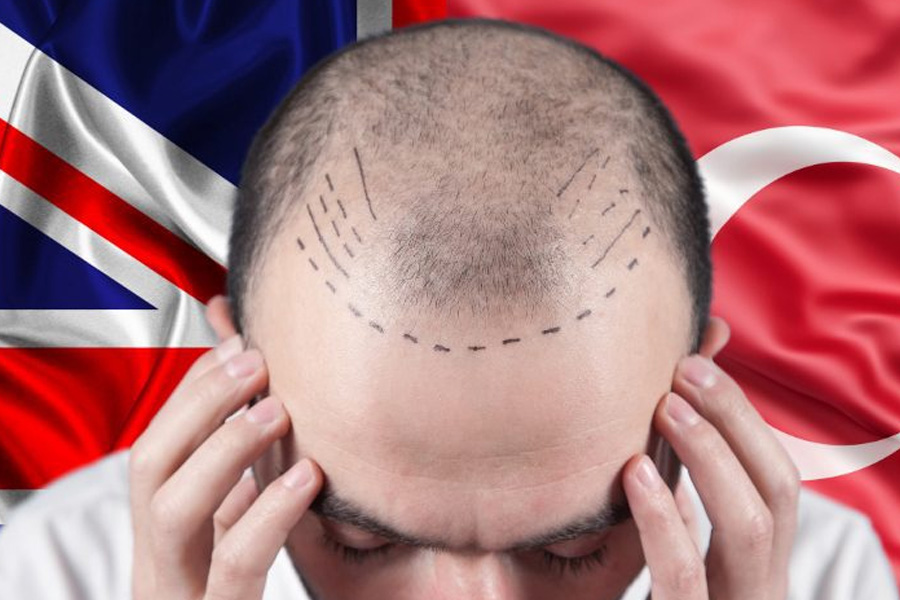
Your invoice’s final figure is not a random number. The cost chain begins with your first photo assessment and finishes weeks later when shedding stops and new growth emerges. Clinics map your hair loss pattern, plan a cautious or aggressive hairline, check donor reserves, and choose the best approach for your goals. Planning time typically affects costs. Meticulous mapping takes longer, requires the surgeon more, and usually yields care-based quotes.
On operation day, the clock and team drive costs. For patient safety, longer sessions with larger graft counts require additional hands, consumables, and breaks. The final chapter is aftercare. Quality clinics provide examinations, online follow-ups, shampooing instruction, and scalp care products. Cheaper estimates frequently cut this part.
Graft Math: How Coverage, Density, and Donor Limits Shape Your Quote
Grafts are hair restoration currency. Two persons having the same graft number can pay different prices because they utilize it for different purposes. Labor-intensive hairline refinements that strive for high density in a small region use chosen single-hair units and tight spacing. Whirl pattern crown fills require mixed units and angle control but fewer priority singles.
Limits depend on donors. A dense donor zone allows density pursuit and stronger hairline angles. Thinner donors require caution and selective placement to conserve reserves. Clinics that properly sample donor density with a densitometer and plan in zones price per realistic, sustainable coverage. Quick quotes promising high graft counts for severe loss may be tempting, but they risk overharvesting. That risk rarely appears at a cheap price, but it may a year later.
Technique Choice Beyond the Buzzwords: FUE, DHI, Sapphire, and Motorized Tools
FUE, DHI, and sapphire sound like lens labels. No tool is magical, but each has a role. FUE uses manual or motorized punches to remove follicular units individually. DHI focuses on implanter pens that put grafts without slits. Sapphire tips provide fine, uniform incisions.
Simple reason why this matters for cost. Pens and sapphire blades are consumables and require training. Team hours rise when DHI implantation slows to safeguard grafts and angles. Soft hairlines may require manual extraction, which requires dexterity. Motorised punches improve efficiency in large sessions but require stable hands and torque to protect follicles. Pairing strategy to case type rather than using a one-size-fits-all approach increases clinic fees
Human Factor: Surgeon Time, Team Size, and Clinical Workflow
Hair repair takes skill. Instead of delegating all day, top surgeons design the hairline, determine incision angles, and oversee essential processes. Personal incisions by the surgeon cost extra. You pay for fewer damaged grafts and more even density when an experienced team that has worked together for years performs extraction and implantation with precise choreography.
A low quote may indicate fewer senior technicians, surgeon involvement, or a pipeline system where several patients pass through rooms. That concept works well for routine situations, but intricate hairlines, cowlicks, and temple points suffer. The price tag generally reflects how much surgeon you buy.
Facility and Location: Hospital Based Suites vs Boutique Clinics
Space matters. Hospitals have surgical, sterile, and emergency readiness above. Boutique clinics can hire high-quality surgical rooms without hospital charges. Prices rise in Istanbul’s core neighborhoods due to rising rent and earnings. Secondary cities may quote lower numbers yet have excellent teams. Location and facility type are baked into every quote, not just a quality map.
What Bundled Packages Really Include
Packages can feel like a travel brochure meets a medical itinerary. Some bundles cover airport transfers, hotel nights, breakfast, translation, preoperative tests, medications, shampoo kits, and a follow up wash. Others add PRP sessions, extended hotel stays, and a driver on call. The package matters because it shifts costs away from you piecemeal. A flight you book yourself may be cheaper, but last mile logistics in a new city can add stress and surprise taxi fares.
Line elements are visible in clear packages. Two nights at a business class hotel, private transfers, blood tests, anesthesia, lunch on surgery day, five-day meds, and two virtual follow-ups. Uncertain bundles leave you unsure about add-ons. If two clinics provide similar surgical programs but one includes travel, translation, and aftercare, the greater price may be beneficial.
The Extras That Inflate or Deflate Your Invoice
Several details might affect cost without being noticeable. Sedation affects staffing. Light oral sedation is cheaper than anesthesiologist-monitored IV sedation. Beard grafts for midscalp volume may take longer but spare donor scalp grafts for the hairline. Repairs with scar camouflage or plug removal require more skill and time, which increases the charge. Mega sessions that exceed a comfortable graft threshold in one day can cause graft loss. To preserve outcomes, several clinics break major cases into two days, adding staff days and hotel nights.
Timing Your Procedure: Demand Cycles and Quote Windows
Pricing changes seasonally. People plan expansion for the following summer in late autumn and take extensive vacations in summer. Popular teams fill rapidly and rarely discount during busy waves. Promotions and bonuses are possible during shoulder seasons. The quotation validity window is clever too. Booking within 60 to 90 days of a clinic’s price hold can protect you from currency changes that raise prices later.
Travel Economics: The Hidden Half of Your Budget
The shadow budget includes airfare, post-op pillows, care packs, meals, and roaming data contracts. Shorter hotel stays save money but must accommodate a secure postoperative window. Staying two or three nights for the first wash and donor/recipient checks is recommended for most patients. After surgery, tourism costs more and your scalp may not like crowds, sun, or dust. Medical travel insurance is smart and cost-effective. These elements are not on the clinic quote yet determine your spending.
Safety, Regulation, and What That Means for Cost
Valid facilities engage on sterilization, staff training, recordkeeping, and emergency readiness. That investment appears in little ways like single-use punches and sealed kits without news. Low-cost operators reuse supplies or spread staff among rooms. Regular audits and accreditation require money. Ask what’s behind a light quote. Safest clinics are consistent, which costs.
FAQ
How many grafts cover a receding hairline compared to a full crown?
A modest hairline restoration often falls in the range of 1500 to 2500 grafts, with a focus on singles at the front for softness and doubles behind for density. A crown that has thinned broadly may require 2000 to 3000 grafts to create the look of coverage, not full density. The exact numbers vary by head size, hair caliber, curl, and donor density, which is why clinics measure and map before quoting.
Is paying per graft better than a fixed package?
Per graft price is obvious between count and cost, which helps for tiny, exact plans. Larger sessions benefit from fixed packages that cap expenses and include lodging and transportation. Your case size and trip planning preferences determine the best solution. Even at a greater price, a bundle with aftercare and prescriptions you already buy might be more valuable.
Do beard or body hair grafts change the price?
Yes. Beard or body hair harvesting and blending complicates. Beard transplants may provide volume beneath the hairline or midscalp and are coarser. Clinics sometimes charge more per graft for extraction since it requires careful angle control and additional time. Body hair beyond the beard is rare and time-consuming, raising the price.
Will I need a second session and should I budget for it now?
Many moderate-loss patients reach their goal in one session. Staged work may benefit patients with significant loss or high hairline and crown density. A good strategy starts with the face, then evaluates growth and donor reserves before tackling the crown. Even if you don’t need a second pass, save for one if your pattern is advanced.
How long should I plan to stay in Turkey after surgery?
Most clinics recommend arriving the day before surgery for blood tests and consultation, then spending one to two nights after surgery for the first wash and check. The average stay is three to four nights. Give yourself an extra night if your session is two days or includes intricate repairs. Too early departure can complicate aftercare and stress your trip day.
What indicates a clinic is cutting corners to lower price?
Guaranteed super high graft counts without a donor assessment, unclear or missing details regarding who conducts each step, reused consumables, minimal or no postoperative follow up, and a sales procedure that prioritizes speed over clarity are red flags Professional clinics identify the surgeon, describe the plan, instruments, anesthetic, and aftercare timetable. Transparency increases trust, which raises prices.