The Market Math Behind Pools
A pool can improve a listing, but its cost depends on your area, notes American Dream Realty And Management solutions. Two columns: cost in, value out. Installation for a simple in-ground pool with decking and fencing varies by region and soil conditions, then adds spas, waterfalls, and automation. The resale increase comes from buyer demand and comparable sales, not your invoice.
A well-executed pool can boost value by a small but significant margin in hot, high-demand regions since buyers expect and plan to utilize it. In short summers or congested urban areas where outdoor space is valued for various reasons, the same pool may be a novelty that narrows your audience. The market chooses whether the pool filters or magnetizes.
Climate and Microclimate: Use Days, Not Wishes
Climate headlines only reveal part. Practical swimming days matter. A coastal city with cool marine layers may enjoy lengthy summers but cold nights. Desert suburb pools may operate eight months a year. Count how many weeks your neighbors can swim without high heating bills. Through comps, that number sets buyer expectations and appraisals.
Microclimates affect outcomes. South-facing yards heat up quickly. Wind-blown hillsides dissipate heat and chemistry. Leaves from tree-heavy lots choke skimmers and telegraphs. Your pool’s worth grows if your yard supports warm water and easy upkeep. Buyers sense the struggle and discount if the situation is detrimental.
Neighborhood Norms and Price Positioning
Ordinary pools contribute most predictably. Your home looks outdated without a pool if 7 out of 10 surrounding homes do. If only 1 in 10 does, installing a pool risks exceeding local buyer expectations at that price. Pools help you maintain pace in the first situation. In the second, it may put your home in an unsupported price range.
Check your nearest sold comparables during the past 6–12 months. If homes with equal square footage and amenities had clear pool premiums, your bump ceiling is determined. Their lifestyle worth is greater than resale if their sale prices are level vs non-pool properties.
Design Choices That Move the Needle
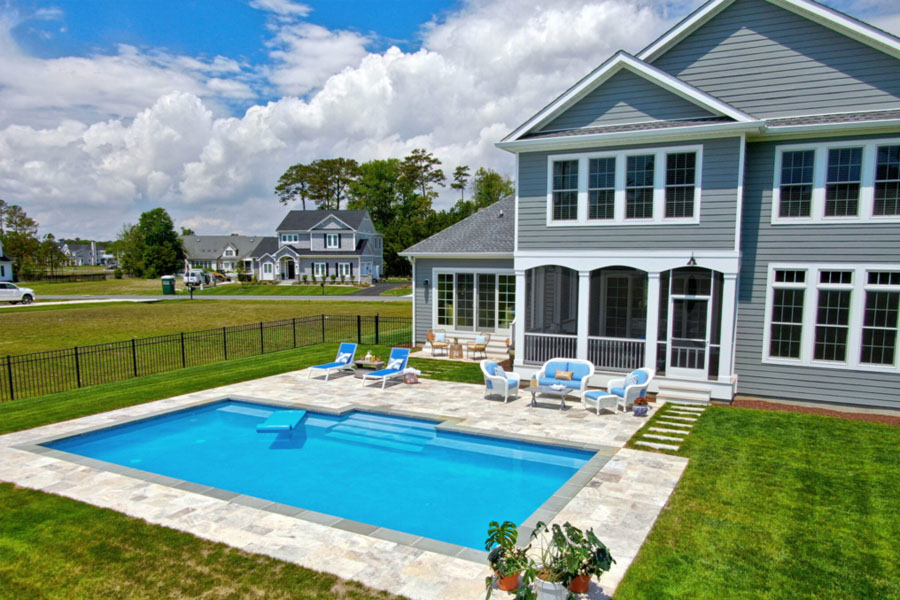
Not all pools compete equally. Buyers do not pay for depth alone; they pay for design that harmonizes with living spaces and minimizes future headaches.
- In-ground, integrated design. Permanent, properly permitted installations that flow from the patio or great room carry stronger perceived value than above-ground setups.
- Usable safe shape. Family-friendly depth profiles, wide steps, and generous bench seating get more love than deep-only rectangles that demand athletic confidence.
- Decking and shade. Comfortable decking that remains cool underfoot and considered shade create a space buyers can picture using during peak heat.
- Salt or advanced sanitation. Systems that promise gentler water and simpler upkeep are persuasive. The pitch is comfort first, maintenance second.
- Lighting and automation. App-controlled pumps, lighting scenes, and covers add a modern halo.
- Integrated spa. A properly jetted spa with quick heat capability often tips undecided buyers into the yes column.
A dated shell with mismatched tile and patchwork decking reads like a renovation bill. A unified backyard plan looks like a lifestyle upgrade.
Operating Costs Buyers Actually Calculate
Savvy buyers do quick math. Electricity for pumps and heaters. Water and chemicals. Service calls. Filter replacements. Insurance premiums. If your pool requires frequent top-offs, runs an aging single-speed pump, or needs heater repairs, your net value shrinks as buyers price in future cash outflows.
Evidence helps. Provide a 12-month utility snapshot, note off-season energy use, and point out any efficient upgrades you have installed. A variable-speed pump, solar blanket, and well-sized heater can reduce the ongoing cost narrative. Buyers respond to clarity, especially when it lowers perceived friction.
Appraiser and Lender Lens
Recently sold items are compared by appraisers. They find matched homes with pools as the main difference and assign supported changes. Due to comparability, pool-heavy neighborhoods standardize adjustment. Mixed regions can make the modification look conservative.
Lenders value legality and safety. Illegal work creates concerns. Where fences or self-latching gates are required, missing them complicates underwriting. Check permissions and codes now if you expect to market shortly. Clear paperwork speeds closings and reduces late-stage renegotiations.
Selling a Home With a Pool: Presentation and Timing
Photography and timing can add real dollars. Schedule listing photos when the water is crystal clear and the sun angle flatters the surface. Stage with minimal, high-quality outdoor furniture so buyers imagine parties and lazy afternoons rather than storage.
List the pool season in your area so purchasers may enjoy the warmth. A pool a buyer cannot evaluate or emotionally connect with is less creditworthy. If weather allows, maintain the pool free for off-season postings. A leafy blanket stifles creativity.
Pre-listing inspections for equipment are smart. Fix leaking pumps, repair cracked decking, and replace torn screens. The smallest recurring drip can cost you thousands in buyer fear.
Risk, Safety, and Insurance Signals
Pools elevate risk profiles. Families with small children or mobility concerns may discount heavily without robust safety features. Fencing with self-closing gates, surface or door alarms, compliant drain covers, and slip-resistant decking shift the conversation from danger to diligence.
Insurance companies may mandate safety enhancements. Showing recent policy pricing and complying features calms buyers. The subtext matters. Safe pools indicate responsible homeowners, who maintain everything.
When Removing or Upgrading Pays
Some pools should be improved. Some should be removed. The tipping point is the gap between the pool you have and the pool the market expects.
Consider upgrading if the shell is solid but aesthetics are lacking. Resurfacing, new tile, deck refresh, and energy enhancements cost less than purchasers think dated looks cost. If the structure is crumbling, space is limited, and neighbors value yards or accessory housing units, consider removal. Reclaiming lawn or constructing a play set can attract more buyers in tighter markets.
If removal is on the table, obtain professional bids that detail full demolition and proper fill with compaction. Buyers will ask. Documentation matters for future landscaping and foundations.
New Tech and Sustainability for Modern Buyers
Green characteristics alter value. Solar heating boosts swim days without raising expenditures. Variable-speed pumps polish water while saving power. Backwash is reduced by cartridge filters with proper piping. Smart chlorinators reduce dosage spikes. Automatic safety coverings trap heat and save cleaning time while improving safety.
When buyers see a sustainability layer, they read it as long-term savings and lower hassle. The pool looks less like a money pit and more like a thoughtfully engineered system.
Tax and Permitting Ripples
Permits safeguard value. Unpermitted pools can delay closings or induce price concessions as buyers demand permits or retrofits. Before listing an inherited pool without paperwork, check with your local building department. Managing compliance on time is better than contract pressure.
Property taxes may rise with substantial improvements. Some jurisdictions reassess after additions. Be ready to explain any tax impact so buyers do not imagine worse outcomes. Transparency here prevents last-minute cold feet.
FAQ
How do I estimate the value a pool might add in my neighborhood?
Consider recent sales of similar homes within a one-mile radius and six to twelve months. Find pairs with and without pools, then note the price difference after accounting for size, condition, and lot. That paired difference gives your area a reasonable adjustment range.
Is an above-ground pool worth highlighting in a listing?
Highlight it if it is new, well-integrated with a deck, and removable without damage. Many buyers treat above-ground pools as temporary lifestyle features rather than permanent value. Position it as a perk, not a price driver, and be ready to remove it if requested.
What pre-listing fixes give the best return for pool owners?
Fix leaks, replace single-speed pumps with variable-speed ones, resurface if finish failure is obvious, update broken or mismatched tile, clean and seal decking, and check safety. Clear water and quiet, reliable equipment lessen inspection friction and improve buyer impressions.
How much do pool operating costs typically matter to buyers?
They matter more than sellers expect. Buyers often budget monthly costs across mortgage, utilities, and maintenance. If you can demonstrate stable chemistry, efficient equipment, and reasonable electric usage, you reduce the mental surcharge that cautious buyers add to their offer price.
Will a heated pool scare off buyers in cooler climates?
A heated pool can be a plus if operating costs are under control. Buyers want proof. Show utility bills during heating months, outline heater type and age, and mention any solar assistance or thermal covers. Present it as a comfortable extension of use rather than a luxury that bleeds cash.
Do lenders ever deny loans because of a pool?
Denials are rare when permits and safety are in order. Issues arise with unpermitted structures, noncompliant barriers where required by code, or significant deferred maintenance that affects insurability. Resolve these before listing to keep financing smooth.
Should I disclose past pool repairs?
Yes. Provide a concise history with invoices for major work like resurfacing, equipment replacement, and structural repairs. Documentation builds trust and helps buyers see investment rather than worry about hidden defects.
Is winterizing a pool a value issue or just maintenance?
It is both. Proper winterization preserves equipment and finish, prevents costly spring surprises, and signals responsible ownership. A tidy off-season presentation supports a stronger price even when the water is not swim-ready.