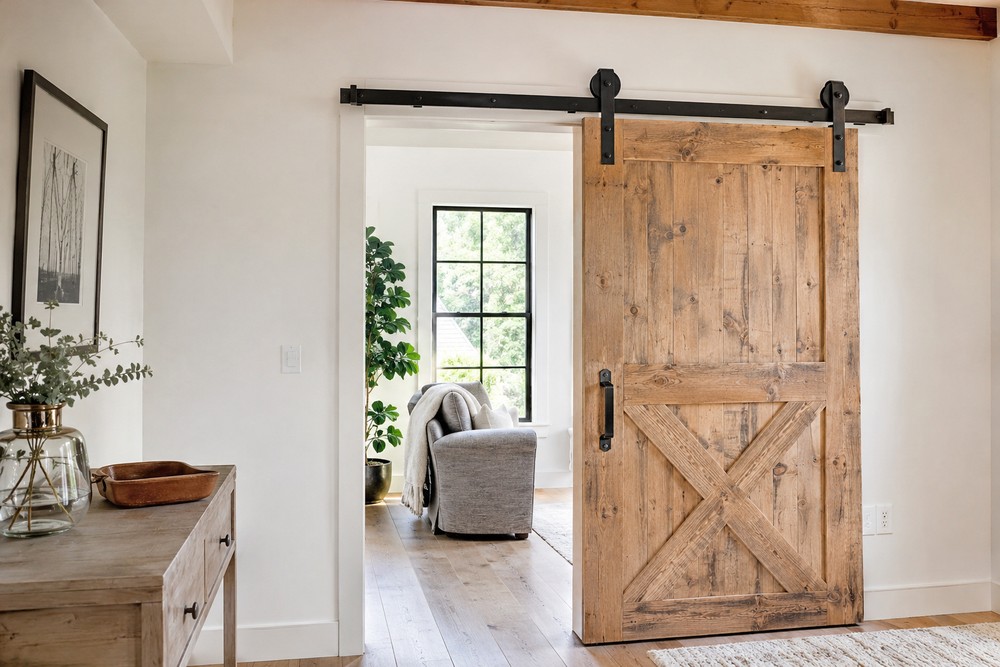
Barn doors have transitioned from functional agricultural necessities to one of the most sought after interior design elements in modern homes. While the door itself often captures the initial attention, the hardware serves as both the engine and the jewelry of the installation. Choosing the right hardware is a complex decision that involves balancing weight capacities, spatial limitations, and stylistic preferences. This comprehensive guide will walk you through every technical and aesthetic consideration required to transform your living space with a sliding door system that functions as beautifully as it looks.
Understanding the Anatomy of Barn Door Hardware
Before diving into specific styles, it is vital to understand the individual components that make up a complete kit. A standard hardware set consists of the track, which is the long metal rail the door travels along, and the hangers, which are the brackets attached to the door that house the rollers. These rollers are engineered to glide along the track with minimal friction.
Other critical components include spacers, which hold the track away from the wall to provide clearance for the door and trim. Door stops are positioned at either end of the track to prevent the door from sliding off the rail, while anti jump blocks are small discs installed on top of the door to keep it from being lifted off the track accidentally. Finally, a floor guide is necessary to prevent the door from swinging inward or outward, keeping it on a straight path. When you invest in high quality systems like those offered by Dusty’s Rustic Rolling Doors, you ensure that every one of these components is precision engineered for maximum longevity.
Assessing Your Space and Structural Requirements
The first step in any installation is ensuring your wall can support the weight of the system. A solid wood barn door can weigh anywhere from 80 to 200 pounds, and the hardware adds additional weight. You must identify the location of your wall studs, as the track must be securely fastened to the structural framing of the home. If your studs do not align with the pre drilled holes in your track, you will need to install a header board. A header board is a piece of solid wood, usually a one by four or one by six, that is screwed into the studs first, allowing you to then mount the track anywhere along its surface.
Clearance is the next major hurdle. You need enough wall space adjacent to the opening for the door to slide into when it is open. For a standard thirty six inch door, you need at least thirty six inches of clear wall space to one side. Additionally, check for obstructions such as light switches, thermostats, or electrical outlets that might be covered or blocked by the door in its open position. Finding the right barn door hardware for your home involves measuring the distance between the top of the door opening and the ceiling to ensure there is enough room for the hangers and the track.
Selecting the Ideal Track Length and Style
The general rule for track length is that it should be at least double the width of your door. If you are installing a forty inch wide door, you will need at least an eighty inch track. This ensures the door can fully clear the opening when pushed aside. However, some designers prefer a slightly longer track to allow the door to sit further back from the opening, creating a more dramatic visual effect.
There are several track configurations to consider based on your specific needs. The single track is the most common, used for one door that slides to one side. Biparting tracks are used for two doors that meet in the middle and slide to opposite sides. For areas with limited wall space on either side of the opening, a bypassing system allows two doors to slide over one another on parallel tracks. This is particularly useful for closets or tight hallways where a full width swing or single slide is not possible.
The Importance of Hanger Designs and Aesthetics
The hangers are the most visible part of the hardware and define the overall style of the installation. The classic J strap hanger is a timeless choice that works well in farmhouse, industrial, and traditional settings. It features a simple vertical strap that wraps over the top of the wheel. For a more modern or minimalist look, top mount hangers attach to the top edge of the door rather than the face, hiding much of the hardware and creating a floating appearance.
Arrow hangers or horseshoe designs offer a more decorative, rustic flair that can serve as a focal point in a room. When selecting a style, consider the weight of your door. Heavier doors may require heavy duty hangers with larger wheels and thicker steel straps to ensure smooth operation over time. Many homeowners choose Dusty’s Rustic Rolling Doors for their hangers because they provide a perfect balance of rugged durability and refined craftsmanship that complements various wood species.
Material Matters: Durability and Finish Options
Hardware is typically manufactured from steel, stainless steel, or aluminum. Carbon steel is the most popular choice due to its strength and the variety of finishes available. Powder coated finishes are highly recommended because they are baked onto the metal, providing a durable surface that resists scratching, chipping, and fading.
- Matte Black: The most popular choice for modern farmhouse and industrial designs. It provides a sharp contrast against light colored walls and wood doors.
- Brushed Stainless Steel: Ideal for contemporary or ultra modern spaces. It is also the best choice for high moisture areas like bathrooms because of its natural resistance to rust.
- Oil Rubbed Bronze: A classic finish that offers a warmer, more traditional feel with subtle brown and copper undertones.
- Raw Steel: Perfect for those seeking a truly industrial or weathered look, though it may require a clear coat to prevent oxidation in humid climates.
Sound Mitigation and Smooth Operation Techniques
One common concern with sliding doors is the noise generated during operation. High quality hardware kits utilize wheels made from reinforced nylon or polyoxymethylene plastic. These materials provide a whisper quiet glide compared to solid steel wheels, which can create a grinding sound as they move along the track.
The quality of the bearings inside the wheels also plays a significant role. Precision ball bearings ensure that the door moves with the touch of a finger and does not require excessive force to start or stop. If you find that your door is making noise, check the alignment of the track. Even a slight tilt can cause the rollers to rub against the side of the rail, creating friction and unwanted sound.
Safety Features and Essential Accessories
Safety should never be an afterthought when dealing with heavy sliding objects. Anti jump discs are mandatory components that prevent the door from jumping off the track if it is bumped or moved too quickly. These small plastic or rubber pieces are screwed into the top of the door and sit just below the track.
Another essential accessory is the soft close mechanism. Much like high end kitchen drawers, these devices catch the door as it nears the end of the track and gently pull it into the fully open or fully closed position. This prevents the door from slamming against the stops, which protects the hardware from wear and prevents fingers from getting pinched. Incorporating components from Dusty’s Rustic Rolling Doors ensures that these safety features are integrated seamlessly into the design rather than looking like an afterthought.
Installation Best Practices for Long Term Success
Successful installation begins with a level. If the track is not perfectly level, the door will slide on its own, either drifting open or rolling shut. Use a long level, at least four feet in length, to verify the track position before tightening the bolts. It is also helpful to have a second person assist you during the hanging process to avoid injury or damage to the door.
- Pre drill all holes in the header board or studs to prevent the wood from splitting.
- Ensure the floor guide is installed correctly. If you do not want to drill into your flooring, consider a wall mounted floor guide that attaches to the baseboard.
- Check the clearance between the door and the wall. If the door is rubbing against the trim, you may need to add washers behind the spacers to push the track further out.
- Lubricate the bearings periodically with a dry silicone spray to maintain smooth movement.
Mastering the Art of Interior Sliding Door Design
The final consideration is how the hardware integrates with the rest of your interior design. The scale of the hardware should match the scale of the room. In a large room with high ceilings, oversized wheels and thick tracks can create a bold statement. In smaller spaces, a more streamlined profile is often preferable to avoid overwhelming the architecture.
Beyond the functional aspects, consider how the hardware color coordinates with other metal accents in the room, such as light fixtures, cabinet pulls, and door knobs. Consistency in metal finishes creates a cohesive look that feels intentional and professionally designed. By sourcing your components from reputable providers like Dusty’s Rustic Rolling Doors, you gain access to expert advice and high grade materials that elevate the entire project from a simple DIY task to a significant home improvement.
Choosing the right barn door hardware requires a blend of technical precision and aesthetic vision. By focusing on the structural integrity of your walls, the quality of the rollers, and the durability of the finishes, you can create a sliding door system that provides years of reliable service and timeless beauty. Whether you are aiming for a rustic retreat or a sleek modern loft, the hardware you choose will be the foundation of your success.