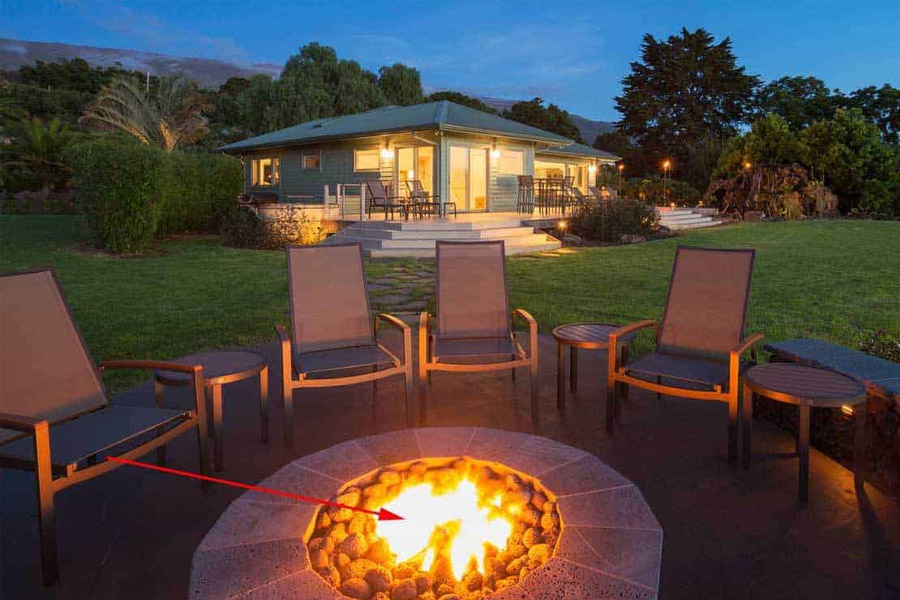
A fire pit can change how a backyard feels after sunset. People pull up chairs, conversation lasts longer, and an ordinary evening starts to feel like an occasion. But there is a less charming version of the same scene: smoke blows toward the table, someone keeps moving a chair away from the heat, and everyone wonders whether the fire is too close to the fence.
Those frustrations usually begin with decisions made before anything is built. Outdoor fire pit installation involves more than choosing a shape and finding a patch of open ground. The Grate Outdoors includes fire features in its outdoor design work, a reminder that a fire pit needs to make sense alongside patios, walkways, planting, and places where people already gather.
Before committing to a design, look at the backyard as it is used now. Where do people walk after dark? Which direction does the wind usually come from? What will be nearby once the chairs are arranged? The following seven considerations can help turn a promising idea into a place people can enjoy comfortably and responsibly.
1. Find a Location That Works Beyond the First Evening
The first temptation is often to place a fire pit in the middle of the prettiest open area. That might create a striking view from the house, but it can also put the fire directly in the path to the garden or too close to a deck. Try arranging chairs in the proposed spot before deciding. Walk around them with a tray in hand, and imagine people coming and going while the fire is lit.
Distance from buildings, property lines, vegetation, fences, and overhead branches is a safety issue, not just a design preference. Required clearances depend on the fuel type, equipment, local rules, and any manufacturer instructions. Check those requirements before settling on a location. A fire feature should never be placed beneath combustible overhead materials or where flames, sparks, or heat could reach them.
Check the Ground as Well as the View
Look for uneven surfaces, drainage problems, and areas where rainwater sits. A fire pit on unstable ground can shift over time, while a poorly drained seating area may stay muddy long after a storm. The foundation and surrounding surface should suit the planned construction rather than simply being made to look level.
2. Choose the Fuel Based on How You Want to Use It
Wood and gas create different experiences. A wood-burning fire offers crackling logs and the ritual of building a flame, but it also produces smoke, sparks, and ash. Someone has to store dry firewood, manage the fire, and dispose of cooled ashes safely. Local burn restrictions may also limit when wood fires are permitted.
Gas fire pits can be convenient to start and shut down when installed and operated correctly. Still, gas lines, burners, ventilation, and access to shutoff controls require careful planning. Portable propane systems have their own placement and storage rules. Neither option should be chosen on looks alone.
In planning discussions with The Grate Outdoors, it would make sense to start with the evening someone wants to have: a short conversation after dinner, or a longer gathering centered on tending a wood fire. That distinction can shape the equipment choice more effectively than a photograph of an elaborate stone surround.
3. Make Room for People to Sit Without Feeling Trapped
Fire pit size and seating distance affect one another. A large fire feature may overwhelm a small patio, leaving chairs pushed against planting beds or steps. A smaller feature can work better when the goal is close conversation rather than heating a broad area.
Arrange actual chairs or mark their footprints on the ground. Leave enough room for someone to stand up and walk behind a seated guest without approaching the flames. Think about children and pets moving through the yard, and avoid positioning the pit where it becomes an obstacle between the house and other outdoor areas.
Test the Arrangement at Night
A layout that feels obvious in daylight can be confusing after dark. Steps, edging, and changes in surface height should be visible. Soft path lighting helps people move safely, while glare aimed toward the seating area can make it harder to see the ground.
4. Learn Where Smoke and Heat Will Travel
A calm afternoon is not the best test of a wood-burning fire pit location. Notice how breezes move through the yard during the hours you expect to use the feature. Nearby walls, fences, and buildings can redirect air, leaving one seat smoky and another surprisingly hot.
Smoke can also enter open windows or drift toward neighboring properties. If the yard is compact, this may be a practical reason to reconsider the fuel or placement. Gas typically produces less visible smoke than wood, but it still creates heat and combustion products and must be used with adequate ventilation.
The best outdoor fire pit installation plans account for these ordinary conditions rather than assuming every evening will be still. Positioning the fire away from sensitive areas and choosing appropriate equipment can prevent repeated complaints after the project is finished.
5. Match the Surrounding Materials to the Heat
A stone-looking surface is not automatically suitable beside a fire. Materials close to the flame must be rated or approved for the temperatures and installation conditions involved. Improperly selected concrete, stone, or other products can crack, deteriorate, or become hazardous when exposed to intense heat.
Keep combustible furniture, cushions, decorations, and loose landscape materials outside the required clearance zone. If the seating area includes a deck, do not assume a built-in fire feature is safe there without specific approval for that application and a professionally designed installation.
Water matters, too. Trapped moisture within some materials can create problems under high heat. Ask the installer how the fire pit will drain, whether its components need ventilation, and what maintenance the finish will require.
6. Plan the Invisible Work Before the Visible Finish
A finished fire pit may look simple, but the construction beneath it can be more involved. Gas-fed designs may require a correctly sized supply line, an accessible shutoff, and components installed to code. Masonry features need appropriate support and materials. Drainage, utility locations, and safe access for future servicing should all be settled early.
Do not dig without checking for buried utilities through the appropriate local locating service. Where gas or electrical work is involved, use qualified professionals. Permits or inspections may be necessary depending on the project and jurisdiction.
Outdoor fire pit installation is easiest to coordinate before adjacent paving and landscaping are completed. Otherwise, bringing a utility line to the chosen spot could mean cutting through a new patio. The Grate Outdoors works in the broader backyard design category, and that relationship between the fire feature and surrounding improvements is worth considering even on smaller projects.
7. Decide Who Will Maintain and Monitor the Fire
A fire pit is not a set-it-and-forget-it amenity. Wood fires require active supervision, an appropriate extinguishing method, and proper ash disposal after everything has completely cooled. Gas equipment needs periodic checks and maintenance according to its manufacturer’s guidance. If a flame behaves unusually or gas is suspected, shut down the system if it is safe to do so and contact a qualified professional.
Make a plan for children, pets, and guests before lighting a fire. Keep suitable extinguishing equipment available, never leave an active fire unattended, and confirm whether local restrictions or high-risk weather conditions prohibit use on a given day. A beautiful seating area is not worth ignoring those limits.
Build the Gathering Spot Around Real Habits
A successful fire pit is one people can approach comfortably, sit around without crowding, and maintain without surprises. The right size and fuel are only part of the decision; placement, airflow, surfaces, utilities, and supervision determine how the space works year after year.
Before arranging outdoor fire pit installation, take time to test the seating layout and confirm the safety requirements for the exact equipment and property. A design from The Grate Outdoors may spark ideas, but the strongest plan comes from observing the yard and addressing its constraints honestly. When those practical details are handled first, the fire becomes a welcome reason to stay outside rather than another backyard problem to solve.