Why the First 72 Hours Matter
The first three days after an injury matter because conditions can change quickly. Pain, stiffness, dizziness, headaches, and emotional distress may not be obvious immediately. At the same time, details such as witness names, camera footage, weather conditions, and the condition of damaged property can become harder to verify as time passes.
Health comes before photographs, forms, or insurance calls. If you are in an unsafe location, move away from traffic or another immediate hazard when it is safe to do so. Oklahoma drivers can also review guidance for dangerous road and weather conditions when deciding how to respond to a roadside emergency, especially during heavy rain, ice, or poor visibility.
What to Do in the First Hour
Get to Safety and Call for Help
- Call 911 if someone is injured, traffic is blocked, there is a fire risk, or emergency assistance is needed.
- Move out of traffic or away from danger only if it can be done safely.
- Turn on hazard lights if you are in a vehicle and able to do so.
- Do not move a person with a potentially serious injury unless there is an immediate danger, such as fire or oncoming traffic.
Exchange Basic Information
For a vehicle collision, exchange names, contact details, insurance information, license plate numbers, and vehicle descriptions. If witnesses are present, ask for their names and phone numbers. Keep the interaction factual and brief. Avoid arguments, accusations, apologies that could be misunderstood, or guesses about what caused the incident.
When to Seek Medical Care
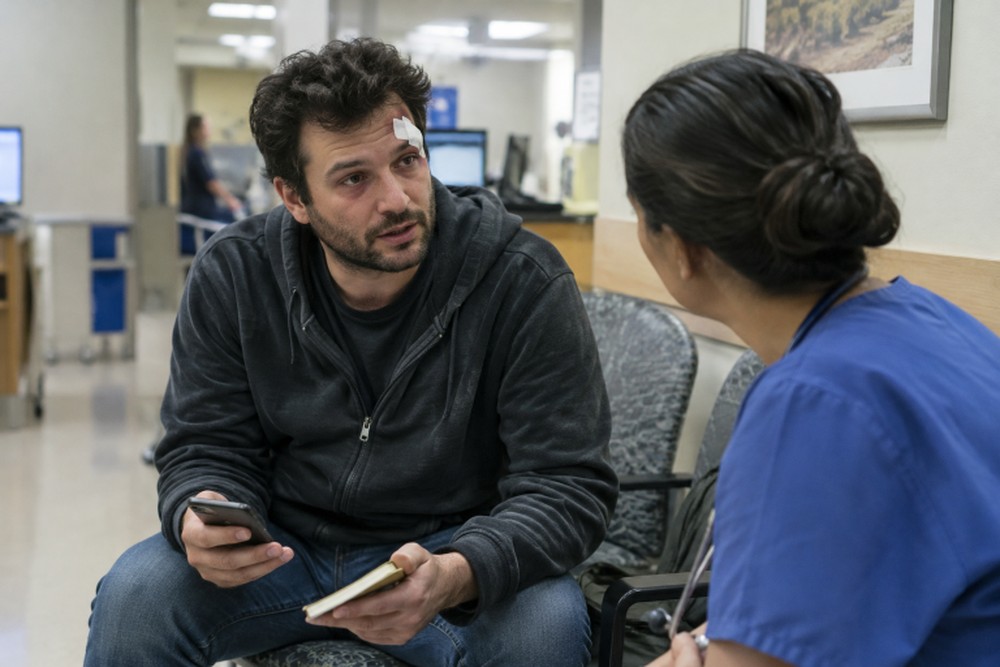
Seek emergency help for serious or worsening symptoms, including trouble breathing, chest pain, severe abdominal pain, fainting, significant weakness, or heavy bleeding. Head injuries deserve particular attention. The warning signs of a concussion or traumatic brain injury include a worsening headache, repeated vomiting, confusion, slurred speech, weakness, seizures, or unusual drowsiness.
Even if emergency treatment is not necessary, consider a prompt medical evaluation when pain, stiffness, dizziness, numbness, or other symptoms begin after an accident. Tell the provider how the incident occurred and describe all symptoms, even if they seem minor. Follow recommended treatment and attend follow-up appointments.
Start a simple symptom journal during the first few days. Include the date, pain level, sleep problems, medication taken, missed work, mobility limitations, and activities you could not complete. This record can help you communicate clearly with medical providers and remember how your condition changed over time.
How to Document the Accident
Use Photos and Video Carefully
If it is safe, take wide photos that show the overall scene before taking closer images of damage or hazards. Document vehicles, visible injuries, debris, lighting, road or floor conditions, warning signs, and the surrounding area. For a fall, photograph the condition that contributed to the incident, such as a spill, broken surface, poor lighting, or missing handrail.
Keep original image and video files whenever possible. Do not edit images in a way that changes what they show. If a business, apartment complex, or nearby property may have a security camera, make a note of the camera location and notify the owner promptly that footage could be relevant.
Write Down What You Remember
As soon as practical, write a timeline in your own words. Include the date, approximate time, location, weather, what you were doing before the accident, what happened, who was present, and what was said afterward. A contemporaneous note is usually more reliable than trying to reconstruct details weeks later.
How to Handle Insurance Contact
Notify your own insurer as required by your policy. When providing an initial report, stick to accurate basics: where and when the event occurred, who was involved, and what property was affected. Do not guess about speed, distance, fault, diagnosis, or how long recovery may take.
Be cautious with recorded statements, broad medical authorizations, and settlement documents. The other party’s insurance company represents its own interests, not yours. It is reasonable to ask for documents in writing, read them carefully, and avoid signing an agreement before you understand what rights it may affect.
Records to Save
Create one paper folder or digital folder for accident-related materials. Save:
- Medical visit summaries, test results, prescriptions, and treatment instructions.
- Medical bills, pharmacy receipts, mileage or transportation costs, and repair estimates.
- Police reports, incident reports, claim numbers, and insurance correspondence.
- Photographs, videos, witness contact information, and copies of messages about the incident.
- Pay stubs, missed-work notices, leave records, and employer communications if the injury affects your job.
- Damaged clothing, equipment, or personal items until they have been fully photographed and documented.
Mistakes to Avoid in the First 72 Hours
- Ignoring symptoms simply because the damage or incident initially appears minor.
- Leaving without getting necessary emergency help or exchanging basic information.
- Posting accident details, photos, or comments on social media.
- Throwing away damaged property before documenting it.
- Repairing a vehicle or cleaning a hazardous scene before taking photographs.
- Missing medical follow-up visits without discussing the issue with the provider.
- Accepting a quick settlement before the full extent of injuries and expenses is known.
When Legal Guidance May Help
Legal guidance may be useful when an injury requires substantial treatment, fault is disputed, multiple parties are involved, or an insurer denies or delays a claim. It can also be important after a commercial vehicle crash, rideshare collision, incident involving public property, or fatal accident. Speaking with a lawyer does not automatically mean filing a lawsuit. It can simply help you understand deadlines, preserve evidence, and evaluate available choices.
Common Questions
What if symptoms appear two days later?
Contact a medical professional and explain when the symptoms began and how the accident occurred. Continue your dated symptom journal and save any appointment confirmation or treatment instructions.
What if there is no police report?
A missing police report does not erase other evidence. Photos, witness information, medical records, incident reports, messages, and video footage may still help establish what occurred.
How long do I have to act?
Deadlines can depend on the facts of the accident, the type of claim, and the parties involved. It is wise to identify potential deadlines early rather than waiting until records, witnesses, or important evidence become difficult to locate.
The first 72 hours are not about rushing into a legal decision. They are about getting safe, obtaining appropriate care, documenting what happened, preserving records, and communicating carefully while the facts are still clear.