Selecting a modern urn requires careful consideration of both practical and emotional factors. The memorial must honor a loved one’s memory while integrating seamlessly into a home’s existing design. From sleek minimalist styles to nature-inspired pieces, today’s urns offer unprecedented variety in materials, finishes, and personalization options. Understanding how to navigate these choices guarantees families create a tribute that feels both meaningful and appropriate for their living space.
Finding a Meaningful Way to Honor Your Loved One at Home
When families choose to keep cremated remains at home, selecting an urn becomes an intimate decision that blends practical considerations with emotional significance. The right memorial piece should reflect the deceased’s personality while complementing the home’s aesthetic. Some families prefer traditional designs that convey reverence, while others seek contemporary pieces that celebrate their loved one’s unique spirit.
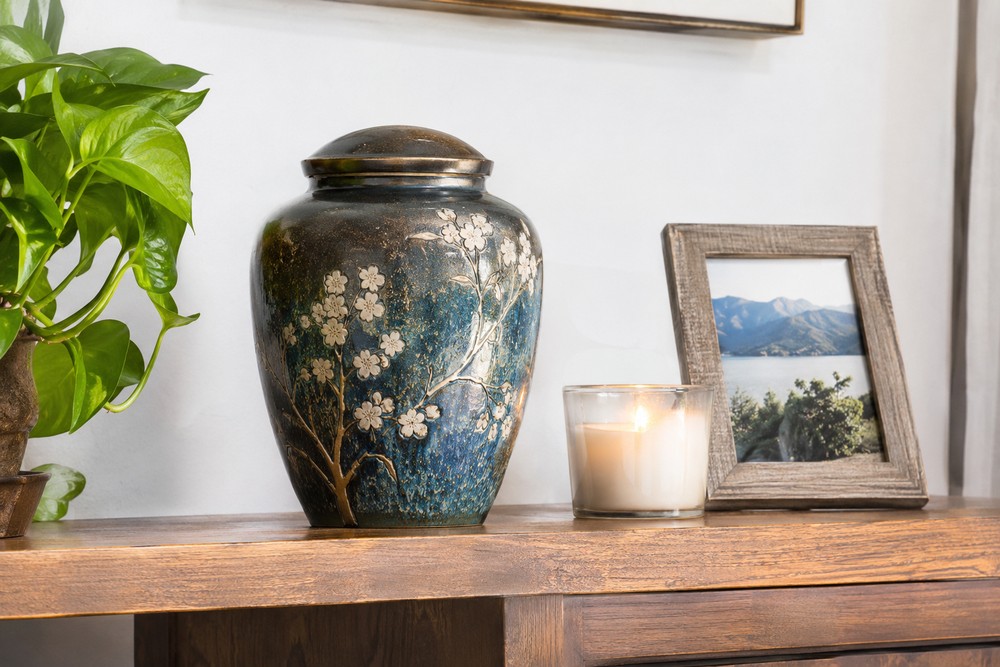
Consider where the urn will be displayed. Living room mantels, bedroom dressers, and dedicated memorial shelves each create different atmospheres for remembrance. The urn’s size, color, and material should harmonize with surrounding décor without disappearing into the background.
Personalization options, such as engraved names, dates, or meaningful symbols, transform a vessel into a tribute. Ultimately, the chosen urn should provide comfort and facilitate the grieving process while honoring cherished memories.
Exploring Modern Urns and Their Unique Designs and Styles
As contemporary attitudes toward death and memorialization evolve, modern urn designs have expanded far beyond traditional brass vessels and classical shapes. Exploring modern urns can give families more options for finding a memorial vessel that reflects contemporary tastes and personal preferences. Today’s urns incorporate diverse materials including hand-blown glass, sustainable bamboo, polished stone, and sculptural ceramics that function as artistic statements within home décor.
Minimalist designs feature clean lines and neutral palettes that blend seamlessly with contemporary interiors, while geometric urns offer striking visual interest through angular forms and metallic finishes. Artistic options include nature-inspired pieces resembling river stones or abstract sculptures that guests might mistake for decorative art objects.
Customizable urns allow families to select specific colors, engravings, or photographic elements that reflect their loved one’s personality. These personalized touches transform memorial vessels into unique tributes that honor individual lives while maintaining aesthetic coherence within modern living spaces.
Choosing the Right Material, Color, and Finish for Your Living Space
Material selection greatly impacts how an urn integrates into existing décor while honoring memorial intentions. Metal urns in brushed brass or copper complement warm-toned interiors, while stainless steel suits contemporary spaces with cool palettes. Ceramic and porcelain options offer versatility through glazed finishes ranging from matte to glossy, adapting to both traditional and modern aesthetics.
Wood urns bring organic warmth, with walnut and cherry varieties enriching classic rooms, whereas lighter bamboo or maple pieces enhance minimalist designs. Glass urns create visual lightness, particularly effective in bright, airy environments. Color choices should harmonize with dominant room hues without disappearing entirely.
Neutral tones, cream, gray, black, provide timeless appeal, while accent colors can echo existing décor elements. Matte finishes reduce visual prominence, whereas polished surfaces create focal points, allowing families to balance remembrance with spatial harmony.
Selecting an Urn Size That Meets Your Memorial and Storage Needs
Understanding capacity requirements prevents the common mistake of purchasing undersized urns that cannot accommodate all cremated remains. The standard rule estimates one cubic inch of capacity per pound of body weight before cremation. An adult weighing 180 pounds typically requires an urn holding at least 180 cubic inches.
Manufacturers label urns with capacity specifications, making size selection straightforward. Those planning to divide remains among family members should calculate proportions accordingly. Keepsake urns hold small portions, typically two to ten cubic inches, while companion urns accommodate two individuals.
Physical dimensions matter beyond capacity alone. Consider shelf depth, niche measurements, and display locations before purchasing. Funeral homes provide temporary containers if families need time researching appropriate sizes. Measuring available space guarantees the memorial fits designated areas without compromise.
Personalizing a Memorial Urn With Engravings, Symbols, and Special Details
Once size requirements are met, personalization transforms a functional container into a meaningful tribute. Engravings offer the most common customization option, allowing families to add names, dates, meaningful quotes, or brief messages directly to the urn’s surface.
Many manufacturers provide laser etching, hand engraving, or metal plating services for various materials. Symbolic elements further enhance personalization. Religious icons, military emblems, hobby-related imagery, or nature motifs can reflect the deceased’s beliefs and passions.
Some urns feature built-in photo frames or compartments for mementos. Material choices themselves serve as personalization, selecting wood from a family property, incorporating birthstones, or choosing colors that held special significance. Custom designs allow complete creative control, though they typically require longer production times and higher costs than standard personalization options.
Finding the Perfect Location to Display an Urn With Care and Respect
Many families struggle with deciding where to place a memorial urn within their home, balancing emotional comfort with practical considerations. The ideal location should provide security, visibility, and appropriate reverence while complementing the home’s aesthetic.
Living rooms and family rooms offer frequent connection opportunities, placing loved ones at the heart of daily life. Bedrooms provide intimate, private spaces for personal reflection. Home offices or libraries create contemplative environments suitable for remembrance.
Consider environmental factors when selecting placement. Avoid direct sunlight, which may fade decorative elements. Guarantee stable surfaces prevent accidental displacement. Maintain comfortable room temperatures to preserve the urn’s materials.
Height matters considerably. Eye-level placement on mantels, shelves, or dedicated memorial tables demonstrates respect while facilitating meaningful moments of connection. Ultimately, the right location feels personally appropriate and honors the deceased’s memory authentically.
Creating a Lasting Memorial That Reflects Your Loved One’s Personality and Legacy
A memorial urn becomes more meaningful when it captures the essence of who someone was rather than simply serving as a container. Families should consider their loved one’s passions, hobbies, and values when selecting a design. An artist might be honored through a sculptural piece, while a nature enthusiast’s urn could feature organic materials or botanical motifs.
Color choices matter greatly. Vibrant hues celebrate an energetic personality, whereas subdued tones suit someone who prefers simplicity. Materials also communicate character, wood conveys warmth, metal suggests strength, and ceramic offers artistic expression.
Personal touches transform urns into true tributes. Engraved quotes, meaningful dates, or custom artwork creates lasting connections. Some families incorporate photographs, fingerprints, or symbols representing cherished memories. The goal is creating a memorial that family members recognize immediately as distinctly theirs.