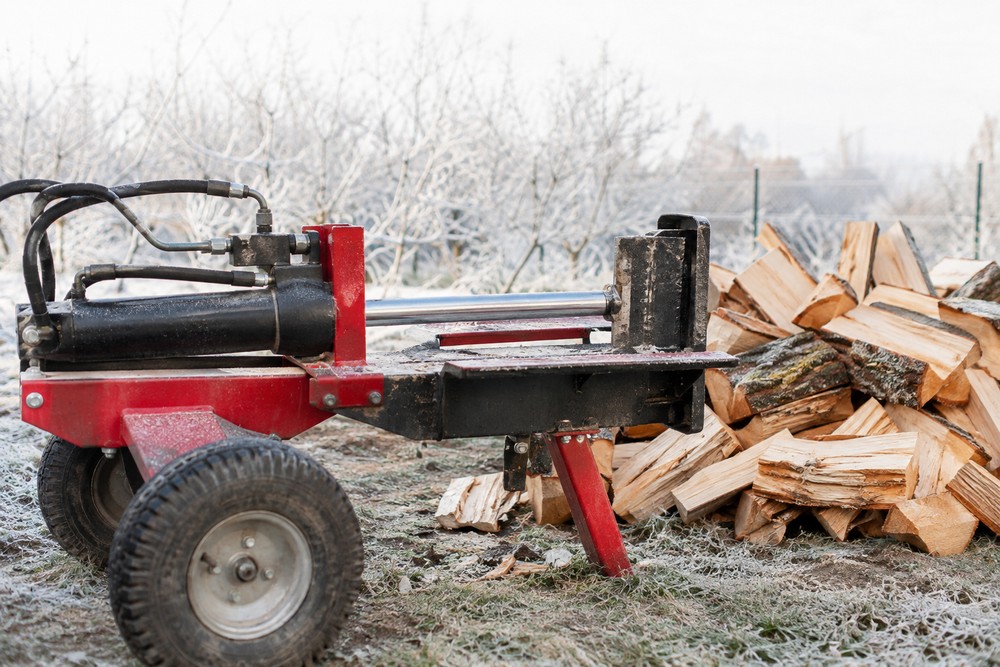
Nothing is quite like stepping outside on a crisp, frosty morning to get a head start on your firewood pile, only to find your reliable log splitter moving at a snail’s pace. You pull the cord, let the engine warm up, and push the lever, but the ram crawls forward as if it is wading through molasses. This frustrating drop in performance is a common headache for property owners when temperatures drop. Understanding why cold weather affects your machine, and how to fix it, comes down to proper hydraulic maintenance and basic fluid dynamics.
The Problem with Cold Hydraulic Fluid
The main reason why your log splitter becomes inefficient during a very cold day is the hydraulic oil itself. As soon as the temperature drops, the regular hydraulic oil tends to become more viscous. In other words, when the viscosity of the oil increases, the hydraulic pump fails to suck the oil from the tank and push it through the narrow valves and hoses. Since viscous oil is unable to flow fast enough to match the pace of the pump, your system becomes inefficient and slow.
Pump Cavitation and Engine Strain
The process of making the pump suck in thick and freezing oil leads to a situation called cavitation. Since the pump cannot suck up sufficient fluid fast enough, there is an occurrence of a vacuum that leads to the formation of bubbles in the pump, which burst in a violent manner and cause a loud whining sound that quickly pocks the metal components of the pump, leading to destruction. Cold temperatures are also hard on small motors because the cold oil causes resistance in the whole mechanical system.
Warming Up Your System Safely
To prevent pump damage and restore operating speed, establish a reliable cold-weather warm-up routine. Fire up your engine and let it run for a few minutes at idle position without any load. Once the motor is heated up, slowly move the lever in a back-and-forth motion without adding any logs to the beam to circulate the fluid in the system. Friction from the oil passing through small valve openings will heat up the oil in the reservoir. Five to ten minutes of warming up will help restore the proper flow rate.
Inspecting Seals and Internal Wear
Occasionally, cold temperatures can bring to light mechanical faults that do not manifest themselves when the temperatures are high. Cold weather makes rubber O-rings, gaskets, and seals become stiff and contract, causing either temporary or permanent leakage of fluids inside the splitter. If your splitter is still operating poorly even when the oil has completely warmed up, you may have internal leakage inside the splitter past the seals of the pistons. In such cases, professional hydraulic cylinder repair or seal replacement becomes necessary to restore full splitting power and maintain proper internal pressure.
Switching to Winter-Grade Fluids
When you’re splitting firewood below zero degrees, choosing the right fluid viscosity is key. Regular summer-grade hydraulic fluid will not be effective at all once the temperatures drop. Switching to a less viscous winter fluid, such as ISO 32 hydraulic fluid or ATF (per manufacturer specifications), makes it easier for the pump to move the oil.
Conclusion
The remedy to this problem is patience and proper pre-work procedures, as well as making the right choice of fluids depending on the season. You simply need some more time to allow your machine to distribute its oil before starting work on a stack of hard timber like oak or maple to ensure that your hydraulic pump does not get any unnecessary wear. This will help avoid any frustrating delays when you really need your firewood. By committing to routine hydraulic maintenance, you can keep your log splitter powering through the coldest days of the season without missing a beat.