Key Takeaways
- Routine maintenance helps identify minor roof issues before they lead to disruptive leaks or costly repairs.
- Commercial roof inspections should examine membranes, seams, flashing, drainage components, rooftop equipment, and interior warning signs.
- Most properties benefit from scheduled inspections plus additional checks after severe weather or rooftop work.
- Accurate records make it easier to plan repairs, manage warranties, and compare long-term costs.
- Roof access should always be managed with appropriate safety procedures, training, and fall-protection planning.
Why Commercial Roof Maintenance Matters
A commercial roof protects far more than the building structure. It helps safeguard inventory, equipment, tenants, employees, and day-to-day operations. Consistent commercial roofing maintenance gives property owners a chance to find damaged flashing, blocked drains, loose seams, and worn surfaces before water reaches the interior.
Reactive repairs can be necessary after a storm, but they often create more pressure than planned maintenance. Emergency service may involve limited access, temporary protection, tenant coordination, and unexpected costs. A scheduled inspection can reveal a small opening around an equipment curb or wall transition before heavy rain turns it into a ceiling leak.
Roof systems also face regular stress from heat, sun exposure, wind, foot traffic, service technicians, and rooftop equipment. As materials age, small changes in condition can become more significant. Treating maintenance as part of the property’s operating plan supports better budgeting and reduces avoidable surprises.
Common Commercial Roof Problems to Watch For
Low-slope and commercial roof systems can develop problems in locations that are easy to overlook from the ground. Property teams should watch for the following conditions during safe visual reviews and professional inspections.
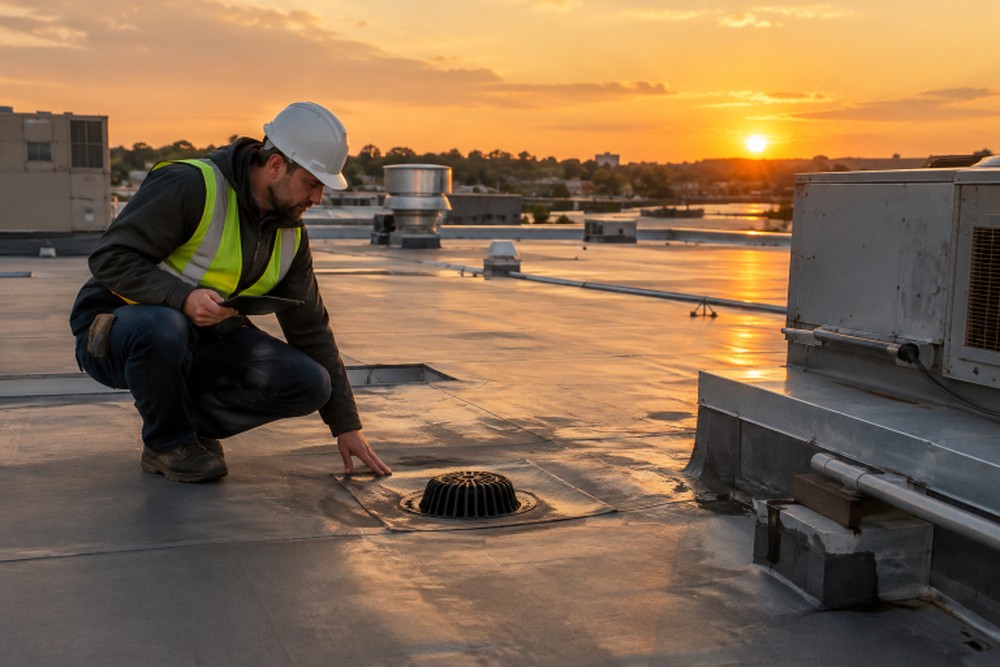
- Ponding water: Standing water may result from debris, blocked drains, inadequate slope, settlement, or damaged drainage components.
- Open seams: Membrane seams can separate due to movement, aging, installation defects, or physical damage.
- Failed flashing: Edges around walls, vents, skylights, pipes, curbs, and rooftop units are frequent leak locations.
- Punctures and tears: Tools, dropped fasteners, service work, and repeated foot traffic can damage the roof surface.
- Surface deterioration: Cracking, blistering, exposed reinforcement, loose coatings, rust, or shrinking materials may signal a need for closer evaluation.
- Interior warning signs: Ceiling stains, musty odors, peeling finishes, damp insulation, and unexplained moisture should be investigated promptly.
How Often Should a Commercial Roof Be Inspected?
Many commercial properties use a baseline schedule of at least two professional inspections each year, commonly in spring and fall. These visits help identify issues before summer heat, winter weather, or seasonal rainfall place additional stress on the roof assembly.
Additional inspections are sensible after high winds, hail, heavy rain, snow accumulation, HVAC replacement, solar work, or other rooftop projects. A quick visual review from a safe location can identify obvious concerns, but a detailed assessment should be completed by trained roofing professionals who can inspect seams, penetrations, drainage, and concealed signs of moisture.
A Seasonal Commercial Roof Checklist
Spring and Summer
- Check for winter-related damage, loose edge metal, cracked sealants, and drainage blockages.
- Inspect service paths and areas around HVAC units for punctures or displaced materials.
- Look for heat-related cracking, coating wear, membrane shrinkage, and damage caused by frequent contractor traffic.
- Review interior areas for stains or delayed signs of water intrusion.
Fall and Winter
- Remove leaves, branches, dirt, and debris from drains, scuppers, gutters, and downspouts.
- Examine roof edges and flashings before periods of stronger wind and rain.
- Complete small repairs before colder or wetter conditions make work more difficult.
- Monitor leaks, ice buildup, and freeze-thaw damage while limiting unnecessary roof traffic during unsafe weather.
Drainage and Energy Performance
Drainage deserves close attention because water should move off a low-slope roof through properly functioning drains, scuppers, gutters, downspouts, crickets, and tapered areas. Debris may create a visible backup, but repeated ponding can also indicate settlement, insulation damage, blocked outlets, or a design issue. Photographing recurring ponding areas after rainfall creates a useful record for future repair planning.
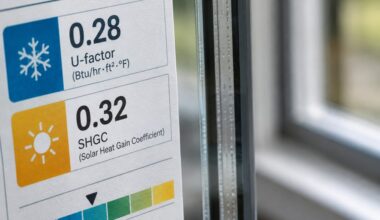
Roof condition can also affect building energy performance. Wet insulation, air leaks, and deteriorated surfaces may reduce the effectiveness of the roof assembly. During a repair or replacement discussion, reflective materials may be worth considering because the roof’s solar reflectance and building design can influence cooling demand. A coating or reflective membrane, however, is not a substitute for correcting leaks, failed flashing, or poor drainage.
Roof Safety and Recordkeeping
Every roof inspection should begin with a review of access routes, ladders, roof edges, skylights, openings, walking surfaces, and nearby electrical or mechanical equipment. Building staff should not enter hazardous roof areas without appropriate training and equipment. OSHA explains that fall hazards and roof openings require suitable protective methods, which should be coordinated before inspection or repair work begins.
A useful roof record should stay with the property even when managers, tenants, or contractors change. Keep roof plans, specifications, warranties, inspection reports, photographs, repair invoices, drainage logs, and records of HVAC, solar, antenna, or signage work. An access log can also help identify when outside trades were on the roof before new damage appears.
When to Repair and When to Replace
Targeted repairs may be appropriate for isolated punctures, limited flashing failures, or small seam problems. Replacement planning may be more practical when leaks recur in multiple areas, membrane deterioration is widespread, insulation is wet across large sections, ponding cannot be corrected with minor work, or emergency repair costs continue to rise.
Before choosing either path, compare the immediate cost with expected maintenance, energy considerations, tenant disruption, remaining service life, and warranty options. Request a clear scope of work, photographs, material details, work sequencing, and warranty terms so the decision is based on the actual roof condition.
Common Questions About Commercial Roof Maintenance
Can a small leak cause major damage?
Yes. Water can travel through insulation, ceilings, wall systems, and other building components before the original entry point becomes visible.
Should building staff inspect the roof?
Staff can report visible issues from safe locations, but detailed inspections and hazardous access should be handled by qualified professionals.
What belongs in a maintenance agreement?
Look for inspection frequency, drain cleaning, reporting procedures, minor repair terms, emergency response expectations, exclusions, and follow-up requirements.
Are roof coatings always appropriate?
No. Coatings can be useful on suitable roof surfaces, but they are not appropriate for every substrate or every level of damage.
Commercial roofs rarely fail without warning. Regular inspections, clean drainage paths, safe roof access, detailed records, and timely repairs give property teams more control over costs and help keep the building functioning as intended.