When designing commercial spaces in Australia, selecting the appropriate entry systems is crucial for managing high foot traffic effectively. An optimal entry system not only enhances the aesthetic appeal of a building but also ensures security, durability, and accessibility. Partnering with reputable door frames suppliers can be instrumental in achieving these objectives, as the quality of the frames directly impacts the overall performance of the entry system.
Understanding the Requirements of High-Traffic Commercial Entryways
Commercial spaces with significant footfall require entry systems capable of withstanding constant use without compromising functionality. Durability is paramount, alongside ease of operation to prevent bottlenecks at entrances during peak periods. In addition, the entry systems must comply with Australian safety standards and accessibility guidelines to cater to diverse users.
Material Selection for Durability and Aesthetics
The choice of materials for door frames and hardware plays a vital role in the longevity of the entry system. Aluminium and steel are commonly preferred for their strength and resistance to corrosion, particularly in coastal Australian environments where exposure to elements can accelerate wear. These materials also allow for sleek, modern designs that suit corporate and retail spaces.
Investing in high quality doors complements sturdy door frames by providing secure, reliable access points that enhance the building’s overall impression. High-quality doors often feature reinforced cores and precision manufacturing to resist impact and frequent use.
Security Considerations in Entry System Selection
Security remains a top priority in commercial entryway design. Entry systems should be integrated with advanced locking mechanisms and access control solutions. Collaborating with trusted door hardware suppliers Sydney provides access to the latest hardware options, including electronic locks, card readers, and biometric systems tailored to specific security requirements.
Accessibility and Compliance with Australian Standards
Compliance with the Disability Discrimination Act and relevant Australian standards ensures entry systems are accessible to all individuals, including those with mobility challenges. Automated doors, appropriate threshold levels, and clear signage are among the features that improve accessibility while maintaining efficient traffic flow.
Types of Entry Systems Suitable for High-Traffic Areas
Various entry system types are suitable for high-traffic commercial areas, each offering distinct advantages:
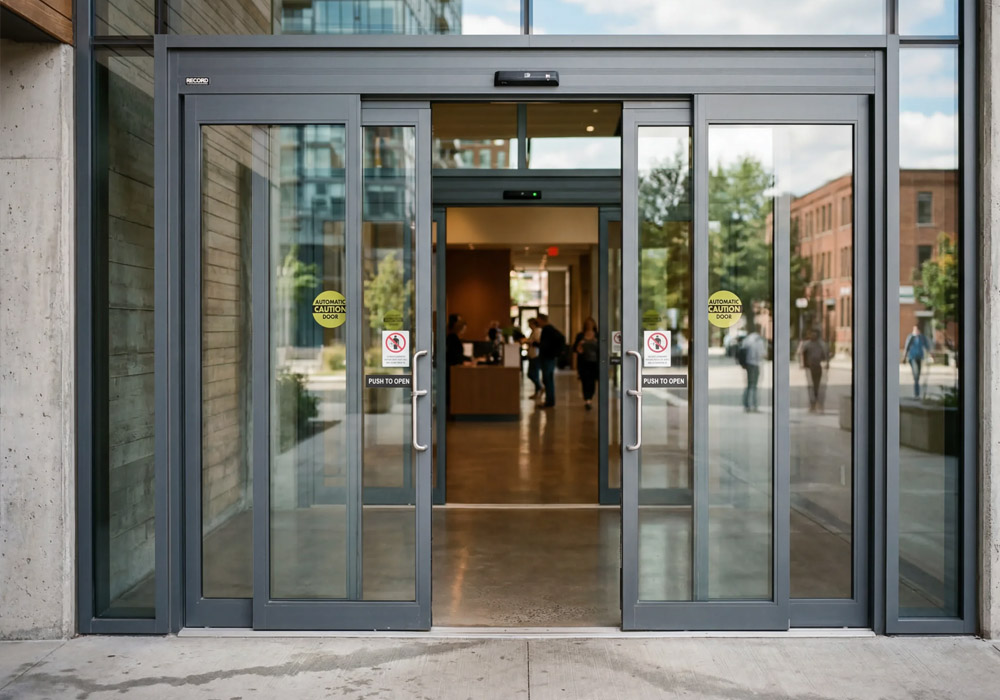
Automatic Sliding Doors
These doors facilitate smooth entry and exit without physical contact, ideal for retail or healthcare facilities. They reduce congestion and provide hygienic benefits.
Revolving Doors
Revolving doors enable continuous movement of people while minimizing air exchange between the interior and exterior, aiding climate control and energy efficiency.
Heavy-Duty Swinging Doors
Constructed with robust materials, these doors withstand heavy use and provide a traditional entry aesthetic preferred in certain commercial settings.
Maintenance and Longevity Considerations
Routine maintenance from experienced door frames suppliers and hardware providers is essential to preserve functionality and appearance. Scheduled inspections and timely repairs prevent downtime and extend the lifespan of the entry system components.
Aesthetic Integration with Commercial Design
The chosen entry system must harmonise with the overall design language of the commercial space. A well-selected system contributes to the building’s branding and creates a welcoming impression for clients and visitors.
Environmental and Energy Efficiency Factors
Energy efficiency is increasingly important in commercial building design. Entry systems that minimise air leakage and integrate with broader building management systems support sustainability goals and reduce operational costs.
Customisation Options for Commercial Entry Systems
Customisable features such as colours, finishes, and hardware styles allow businesses to tailor entry systems to their specific needs and brand identities. Working with experienced suppliers facilitates access to bespoke solutions.
Cost Considerations and Value Assessment
While upfront costs are a consideration, evaluating the long-term value of entry systems—including maintenance, energy savings, and durability—is essential. Investing in high-quality products from credible suppliers is cost-effective over the system’s operational life.
Professional Consultation and Installation
Engaging professionals in the selection and installation process ensures compliance with regulations and maximises performance. Expert installers also reduce the risk of operational issues post-installation.
Technology Integration and Future-Proofing
Modern entry systems increasingly incorporate technology such as smart sensors and connectivity features. Opting for scalable and upgradeable systems prepares commercial spaces for future advancements.
Summary and Recommendations
Selecting the ideal high-traffic entry systems for Australian commercial spaces requires careful consideration of durability, security, accessibility, aesthetics, and cost-efficiency. Collaborations with established door frames suppliers and door hardware suppliers Sydney ensure access to quality materials and expert advice. Prioritising these factors will result in entryways that support operational demands while enhancing building value.