Colour matters – but so does planning. People associate interior painting projects with picking colours, but successful interior painting projects – residential or commercial – take more thought.
What’s the end goal? How should the space look and feel? How well-worn will it be?
In a home, you may want a tired room to look updated and fresh. In an office, clinic, warehouse, retail store, rental unit, or other commercial space, you may want a professional atmosphere that will impress employees, clients, and customers – or you may simply want a space that’s easy to maintain.
What Commercial Spaces Really Need
No two interior painting projects are the same, so it pays to consider all your needs before work begins.
Accessibility: Can your team continue working while painters are on site? If not, can painting take place outside of regular business hours, or will you need to close temporarily? Can you divide your commercial space into sections so that painting can occur one area at a time? Talk with your painter about access to the site – including parking, keys or alarm codes, etc.
What surfaces need to be protected from paint? Consider furniture, appliances, equipment, fixtures, shelving, merchandise, and so on. What type of walls do you have? Discuss the current condition of your walls – including holes, stains, dents, previously peeling paint, etc. – with your painting contractor, as this can influence the prep work that’s required.
What will the walls’ primary function be? Washrooms, reception areas, hallways, kitchens/break rooms, and other high-traffic areas may be best suited to a washable paint that will stand up to being wiped down regularly.
Choosing paint that lasts
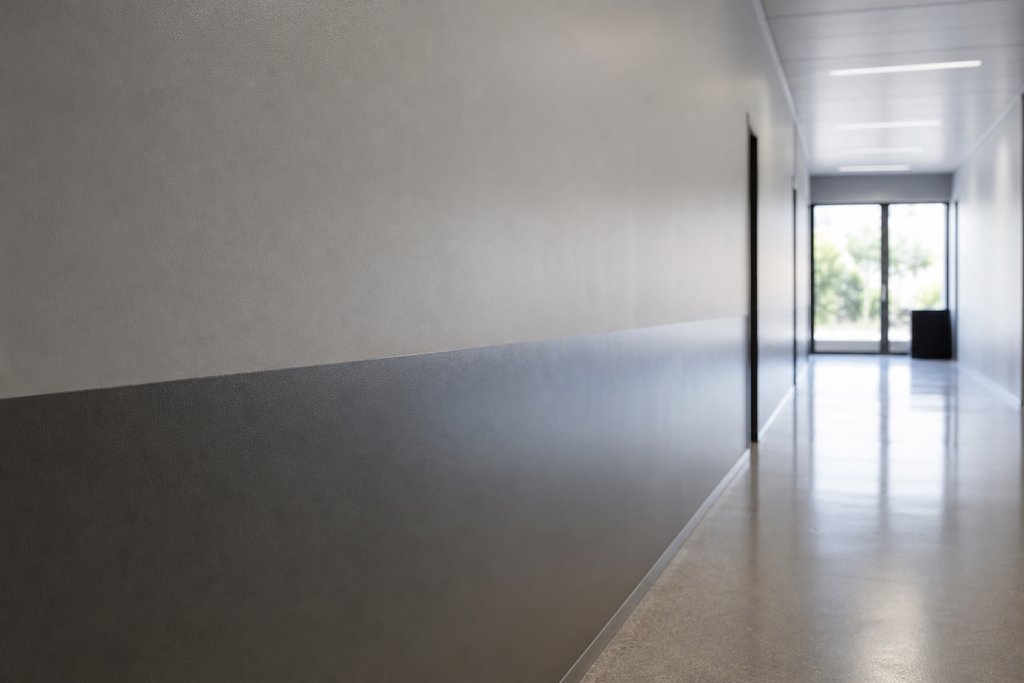
The right paint for your commercial space will depend on many factors, including the surfaces being painted, desired finish, and level of foot traffic – check this site for more info: https://www.bhg.com/decorating/paint/how-tos/paint-finishes-guide/. Keep in mind that the cheapest paint isn’t necessarily the most economical option – if the paint wears or chips too soon, you may need to touch up sooner than expected. Talk with your painter about different options, and choose a paint that can stand up to your space’s intended use.
The Finish Starts with Surface Prep
Whether you’re painting a home or business, all surfaces should be dry, structurally sound, and free of dust and debris before they’re painted. Depending on the situation, interior prep work can include:
- Patching holes
- Sanding bumpy areas
- Caulking cracks and gaps
- Spot-priming stained areas
- Scraping off flaking, peeling paint
- Cleaning walls, windows, and so on
If you notice evidence of condensation or moisture (around windows, doors, etc. – more info here), past water damage, or other concerns, discuss these with your painter. Rather than mask these issues with a fresh coat of paint, it’s better to correct the underlying problems first for a more long-lasting solution. Similarly, if your walls show dents, scuffs, and other signs of abuse from chairs, carts, boxes, constant contact, etc., have these repaired before painting for a more even, appealing result.
Homes Have Their Own Demands
From trim to doors to ceilings to walls, every surface in your Calgary home plays a different role and has different painting needs, so a Calgary interior painting company with outstanding reviews should be prepared to address a varied range of household surfaces. Bathrooms and laundry rooms need to be able to stand up to extra moisture; your kitchen may call for a paint that wipes down easily; trim and doors may benefit from a more durable paint than other surfaces, seeing as they see plenty of use from kids, pets, chairs, appliances, and so on.

Colour aside, a successful interior painting project depends on proper planning, prep, and attention to detail. From protecting your furniture and belongings to accommodating your family’s (and pet’s!) needs, an experienced painting professional will be mindful of your comfort and convenience throughout the entire project.
Colour and Sheen Change the Result
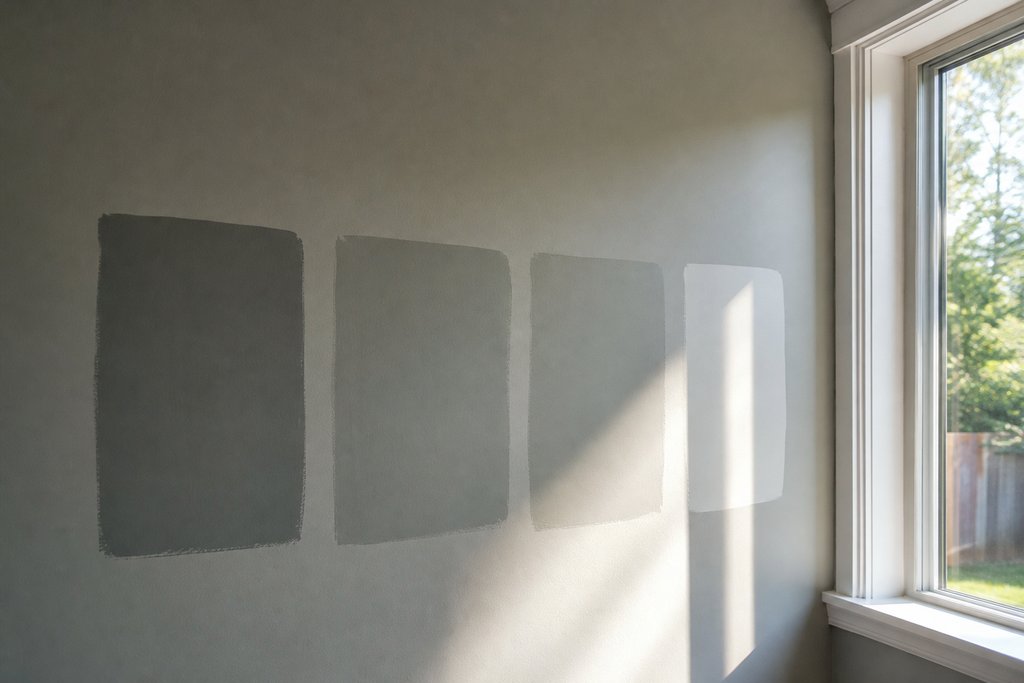
Colour choice is very personal, of course. Before committing to a certain colour, test a few promising candidates on your wall and live with these test patches for a while, viewing them in different lighting conditions. (Colours can look quite different in LED, incandescent, daylight and other lighting – and from one time of day to the next.)
Equally important to the colour you choose is the sheen you choose. Low-sheen paints can flatter walls that aren’t entirely flat; higher-sheen paints tend to clean up more easily but can emphasize blemishes. For a more detailed look at the pros and cons of different paint sheens, read on:
- In high-traffic hallways and work areas, a wipeable sheen is your best bet.
- For a more elegant, less-reflective look in offices and conference rooms, consider a flat or matte paint.
- If you’d like a uniform look that’s also easy to touch up, a durable paint is a must.
- Trim, doors, and baseboards benefit from scuff- and finger-resistant paints.
Give the paint time to cure
While dry-to-the-touch time varies by paint type, most interior walls can withstand light traffic after 24 hours. However, you may want to wait even longer before moving furniture back into the room. Humidity, temperature, ventilation, and other factors can all affect drying/curing time, more of this is discussed on this page. If you have questions about when your freshly painted space is ready for action, ask your painter!
Sort Out the Plan Before Work Begins
Before your interior painting project begins, your painter should go over the scope of work with you. This should include:
- The surfaces to be painted.
- Any necessary (and included) repairs.
- Paint products, colours, and sheens to be used.
- For commercial clients: access restrictions, areas that can be painted in phases, and areas that must remain in use.
- For residential clients: furniture/décor/closet contents that will need to be moved, and whether rooms will be available to you at the end of each day.
- Cleanup procedures.
Don’t consider your quote just a list of paint colours – it’s also an opportunity to learn about your painter’s approach to masking, prep work, scheduling, and more. To get a head start on your painting project, tour each room/space and take note of repairs that need to be addressed, access limitations, and any décor or contents that may need to be moved/covered.